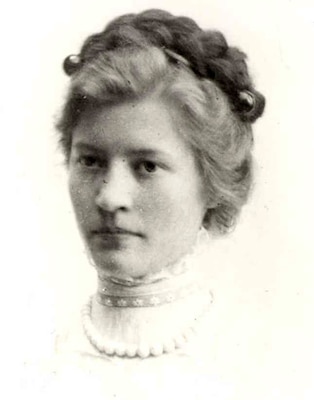
| 001 | 1889–1911 | Formation |
Birth, education, and mathematics/physics-language preparation — Diagnostic frame A young Agnes May Meyer forms a technical-intellectual base through mathematics, physics, foreign languages, and music. |
- What is the first question this situation should force?
- Which assumption is load-bearing?
- Which evidence would change the estimate?
| Frame the case as a bounded analytic problem before naming the solution. | diagnostic note | S01S02S06S10S31 | NSA biography; Britannica | This row is a high-level historical reconstruction unit, not a cryptanalytic procedure or claim to private archival access. |
| 002 | 1889–1911 | Formation |
Birth, education, and mathematics/physics-language preparation — Evidence ledger A young Agnes May Meyer forms a technical-intellectual base through mathematics, physics, foreign languages, and music. |
- What facts, dates, source families, and caveats must be recorded?
- Which assumption is load-bearing?
- Which evidence would change the estimate?
| Separate established record, later recollection, and interpretive reconstruction. | evidence ledger | S01S02S06S12S29 | NSA biography; Britannica | This row is a high-level historical reconstruction unit, not a cryptanalytic procedure or claim to private archival access. |
| 003 | 1889–1911 | Formation |
Birth, education, and mathematics/physics-language preparation — Method abstraction A young Agnes May Meyer forms a technical-intellectual base through mathematics, physics, foreign languages, and music. |
- Which reusable work algorithm appears in this situation?
- Which assumption is load-bearing?
- Which evidence would change the estimate?
| Extract the transferable method without turning it into operational instruction. | method card | S01S02S06S05S08 | NSA biography; Britannica | This row is a high-level historical reconstruction unit, not a cryptanalytic procedure or claim to private archival access. |
| 004 | 1889–1911 | Formation |
Birth, education, and mathematics/physics-language preparation — Organizational artifact A young Agnes May Meyer forms a technical-intellectual base through mathematics, physics, foreign languages, and music. |
- What durable artifact would let another analyst continue the work?
- Which assumption is load-bearing?
- Which evidence would change the estimate?
| Create a file, table, map, or handoff note that survives personnel change. | handoff artifact | S01S02S06S12S26 | NSA biography; Britannica | This row is a high-level historical reconstruction unit, not a cryptanalytic procedure or claim to private archival access. |
| 005 | 1889–1911 | Formation |
Birth, education, and mathematics/physics-language preparation — Failure/caution audit A young Agnes May Meyer forms a technical-intellectual base through mathematics, physics, foreign languages, and music. |
- What can go wrong if this method is overused or misapplied?
- Which assumption is load-bearing?
- Which evidence would change the estimate?
| Attach a caution so admiration does not become hagiography. | caution box | S01S02S06S31S32 | NSA biography; Britannica | This row is a high-level historical reconstruction unit, not a cryptanalytic procedure or claim to private archival access. |
| 006 | 1889–1911 | Formation |
Birth, education, and mathematics/physics-language preparation — Legacy transfer A young Agnes May Meyer forms a technical-intellectual base through mathematics, physics, foreign languages, and music. |
- How does this case transmit craft to later people or institutions?
- Which assumption is load-bearing?
- Which evidence would change the estimate?
| Trace influence through pupils, offices, source files, and historical recovery. | lineage note | S01S02S06S25S30 | NSA biography; Britannica | This row is a high-level historical reconstruction unit, not a cryptanalytic procedure or claim to private archival access. |
| 007 | 1911–1918 | Formation |
Amarillo teaching and disciplined pedagogy — Diagnostic frame She teaches music and mathematics, building habits of explanation, repetition, and structured correction. |
- What is the first question this situation should force?
- Which assumption is load-bearing?
- Which evidence would change the estimate?
| Frame the case as a bounded analytic problem before naming the solution. | diagnostic note | S02S05S25S01S10 | NSA biography; Britannica; CCH | This row is a high-level historical reconstruction unit, not a cryptanalytic procedure or claim to private archival access. |
| 008 | 1911–1918 | Formation |
Amarillo teaching and disciplined pedagogy — Evidence ledger She teaches music and mathematics, building habits of explanation, repetition, and structured correction. |
- What facts, dates, source families, and caveats must be recorded?
- Which assumption is load-bearing?
- Which evidence would change the estimate?
| Separate established record, later recollection, and interpretive reconstruction. | evidence ledger | S02S05S25S12S29 | NSA biography; Britannica; CCH | This row is a high-level historical reconstruction unit, not a cryptanalytic procedure or claim to private archival access. |
| 009 | 1911–1918 | Formation |
Amarillo teaching and disciplined pedagogy — Method abstraction She teaches music and mathematics, building habits of explanation, repetition, and structured correction. |
- Which reusable work algorithm appears in this situation?
- Which assumption is load-bearing?
- Which evidence would change the estimate?
| Extract the transferable method without turning it into operational instruction. | method card | S02S05S25S08S17 | NSA biography; Britannica; CCH | This row is a high-level historical reconstruction unit, not a cryptanalytic procedure or claim to private archival access. |
| 010 | 1911–1918 | Formation |
Amarillo teaching and disciplined pedagogy — Organizational artifact She teaches music and mathematics, building habits of explanation, repetition, and structured correction. |
- What durable artifact would let another analyst continue the work?
- Which assumption is load-bearing?
- Which evidence would change the estimate?
| Create a file, table, map, or handoff note that survives personnel change. | handoff artifact | S02S05S25S12S26 | NSA biography; Britannica; CCH | This row is a high-level historical reconstruction unit, not a cryptanalytic procedure or claim to private archival access. |
| 011 | 1911–1918 | Formation |
Amarillo teaching and disciplined pedagogy — Failure/caution audit She teaches music and mathematics, building habits of explanation, repetition, and structured correction. |
- What can go wrong if this method is overused or misapplied?
- Which assumption is load-bearing?
- Which evidence would change the estimate?
| Attach a caution so admiration does not become hagiography. | caution box | S02S05S25S31S32 | NSA biography; Britannica; CCH | This row is a high-level historical reconstruction unit, not a cryptanalytic procedure or claim to private archival access. |
| 012 | 1911–1918 | Formation |
Amarillo teaching and disciplined pedagogy — Legacy transfer She teaches music and mathematics, building habits of explanation, repetition, and structured correction. |
- How does this case transmit craft to later people or institutions?
- Which assumption is load-bearing?
- Which evidence would change the estimate?
| Trace influence through pupils, offices, source files, and historical recovery. | lineage note | S02S05S25S30S33 | NSA biography; Britannica; CCH | This row is a high-level historical reconstruction unit, not a cryptanalytic procedure or claim to private archival access. |
| 013 | 1918 | Entry |
U.S. Navy enlistment as Yeoman/Chief Yeoman context — Diagnostic frame Her wartime entry places a technically trained woman inside naval communications during World War I. |
- What is the first question this situation should force?
- Which assumption is load-bearing?
- Which evidence would change the estimate?
| Frame the case as a bounded analytic problem before naming the solution. | diagnostic note | S03S04S06S01S10 | NSA biography; Britannica; CCH | This row is a high-level historical reconstruction unit, not a cryptanalytic procedure or claim to private archival access. |
| 014 | 1918 | Entry |
U.S. Navy enlistment as Yeoman/Chief Yeoman context — Evidence ledger Her wartime entry places a technically trained woman inside naval communications during World War I. |
- What facts, dates, source families, and caveats must be recorded?
- Which assumption is load-bearing?
- Which evidence would change the estimate?
| Separate established record, later recollection, and interpretive reconstruction. | evidence ledger | S03S04S06S12S29 | NSA biography; Britannica; CCH | This row is a high-level historical reconstruction unit, not a cryptanalytic procedure or claim to private archival access. |
| 015 | 1918 | Entry |
U.S. Navy enlistment as Yeoman/Chief Yeoman context — Method abstraction Her wartime entry places a technically trained woman inside naval communications during World War I. |
- Which reusable work algorithm appears in this situation?
- Which assumption is load-bearing?
- Which evidence would change the estimate?
| Extract the transferable method without turning it into operational instruction. | method card | S03S04S06S05S08 | NSA biography; Britannica; CCH | This row is a high-level historical reconstruction unit, not a cryptanalytic procedure or claim to private archival access. |
| 016 | 1918 | Entry |
U.S. Navy enlistment as Yeoman/Chief Yeoman context — Organizational artifact Her wartime entry places a technically trained woman inside naval communications during World War I. |
- What durable artifact would let another analyst continue the work?
- Which assumption is load-bearing?
- Which evidence would change the estimate?
| Create a file, table, map, or handoff note that survives personnel change. | handoff artifact | S03S04S06S12S26 | NSA biography; Britannica; CCH | This row is a high-level historical reconstruction unit, not a cryptanalytic procedure or claim to private archival access. |
| 017 | 1918 | Entry |
U.S. Navy enlistment as Yeoman/Chief Yeoman context — Failure/caution audit Her wartime entry places a technically trained woman inside naval communications during World War I. |
- What can go wrong if this method is overused or misapplied?
- Which assumption is load-bearing?
- Which evidence would change the estimate?
| Attach a caution so admiration does not become hagiography. | caution box | S03S04S06S31S32 | NSA biography; Britannica; CCH | This row is a high-level historical reconstruction unit, not a cryptanalytic procedure or claim to private archival access. |
| 018 | 1918 | Entry |
U.S. Navy enlistment as Yeoman/Chief Yeoman context — Legacy transfer Her wartime entry places a technically trained woman inside naval communications during World War I. |
- How does this case transmit craft to later people or institutions?
- Which assumption is load-bearing?
- Which evidence would change the estimate?
| Trace influence through pupils, offices, source files, and historical recovery. | lineage note | S03S04S06S25S30 | NSA biography; Britannica; CCH | This row is a high-level historical reconstruction unit, not a cryptanalytic procedure or claim to private archival access. |
| 019 | 1918–1919 | Entry |
Postal and cable censorship exposure — Diagnostic frame Censorship work creates early exposure to communications flows, anomalies, and evidence control. |
- What is the first question this situation should force?
- Which assumption is load-bearing?
- Which evidence would change the estimate?
| Frame the case as a bounded analytic problem before naming the solution. | diagnostic note | S03S09S29S01S10 | Britannica; CCH | This row is a high-level historical reconstruction unit, not a cryptanalytic procedure or claim to private archival access. |
| 020 | 1918–1919 | Entry |
Postal and cable censorship exposure — Evidence ledger Censorship work creates early exposure to communications flows, anomalies, and evidence control. |
- What facts, dates, source families, and caveats must be recorded?
- Which assumption is load-bearing?
- Which evidence would change the estimate?
| Separate established record, later recollection, and interpretive reconstruction. | evidence ledger | S03S09S29S12S33 | Britannica; CCH | This row is a high-level historical reconstruction unit, not a cryptanalytic procedure or claim to private archival access. |
| 021 | 1918–1919 | Entry |
Postal and cable censorship exposure — Method abstraction Censorship work creates early exposure to communications flows, anomalies, and evidence control. |
- Which reusable work algorithm appears in this situation?
- Which assumption is load-bearing?
- Which evidence would change the estimate?
| Extract the transferable method without turning it into operational instruction. | method card | S03S09S29S05S08 | Britannica; CCH | This row is a high-level historical reconstruction unit, not a cryptanalytic procedure or claim to private archival access. |
| 022 | 1918–1919 | Entry |
Postal and cable censorship exposure — Organizational artifact Censorship work creates early exposure to communications flows, anomalies, and evidence control. |
- What durable artifact would let another analyst continue the work?
- Which assumption is load-bearing?
- Which evidence would change the estimate?
| Create a file, table, map, or handoff note that survives personnel change. | handoff artifact | S03S09S29S12S26 | Britannica; CCH | This row is a high-level historical reconstruction unit, not a cryptanalytic procedure or claim to private archival access. |
| 023 | 1918–1919 | Entry |
Postal and cable censorship exposure — Failure/caution audit Censorship work creates early exposure to communications flows, anomalies, and evidence control. |
- What can go wrong if this method is overused or misapplied?
- Which assumption is load-bearing?
- Which evidence would change the estimate?
| Attach a caution so admiration does not become hagiography. | caution box | S03S09S29S31S32 | Britannica; CCH | This row is a high-level historical reconstruction unit, not a cryptanalytic procedure or claim to private archival access. |
| 024 | 1918–1919 | Entry |
Postal and cable censorship exposure — Legacy transfer Censorship work creates early exposure to communications flows, anomalies, and evidence control. |
- How does this case transmit craft to later people or institutions?
- Which assumption is load-bearing?
- Which evidence would change the estimate?
| Trace influence through pupils, offices, source files, and historical recovery. | lineage note | S03S09S29S25S30 | Britannica; CCH | This row is a high-level historical reconstruction unit, not a cryptanalytic procedure or claim to private archival access. |
| 025 | 1919 | Entry |
Transfer into Code and Signal / Naval Communications — Diagnostic frame The communications assignment becomes the bridge from administration to cryptologic craft. |
- What is the first question this situation should force?
- Which assumption is load-bearing?
- Which evidence would change the estimate?
| Frame the case as a bounded analytic problem before naming the solution. | diagnostic note | S03S04S05S01S10 | NSA biography; Britannica | This row is a high-level historical reconstruction unit, not a cryptanalytic procedure or claim to private archival access. |
| 026 | 1919 | Entry |
Transfer into Code and Signal / Naval Communications — Evidence ledger The communications assignment becomes the bridge from administration to cryptologic craft. |
- What facts, dates, source families, and caveats must be recorded?
- Which assumption is load-bearing?
- Which evidence would change the estimate?
| Separate established record, later recollection, and interpretive reconstruction. | evidence ledger | S03S04S05S12S29 | NSA biography; Britannica | This row is a high-level historical reconstruction unit, not a cryptanalytic procedure or claim to private archival access. |
| 027 | 1919 | Entry |
Transfer into Code and Signal / Naval Communications — Method abstraction The communications assignment becomes the bridge from administration to cryptologic craft. |
- Which reusable work algorithm appears in this situation?
- Which assumption is load-bearing?
- Which evidence would change the estimate?
| Extract the transferable method without turning it into operational instruction. | method card | S03S04S05S08S17 | NSA biography; Britannica | This row is a high-level historical reconstruction unit, not a cryptanalytic procedure or claim to private archival access. |
| 028 | 1919 | Entry |
Transfer into Code and Signal / Naval Communications — Organizational artifact The communications assignment becomes the bridge from administration to cryptologic craft. |
- What durable artifact would let another analyst continue the work?
- Which assumption is load-bearing?
- Which evidence would change the estimate?
| Create a file, table, map, or handoff note that survives personnel change. | handoff artifact | S03S04S05S12S26 | NSA biography; Britannica | This row is a high-level historical reconstruction unit, not a cryptanalytic procedure or claim to private archival access. |
| 029 | 1919 | Entry |
Transfer into Code and Signal / Naval Communications — Failure/caution audit The communications assignment becomes the bridge from administration to cryptologic craft. |
- What can go wrong if this method is overused or misapplied?
- Which assumption is load-bearing?
- Which evidence would change the estimate?
| Attach a caution so admiration does not become hagiography. | caution box | S03S04S05S31S32 | NSA biography; Britannica | This row is a high-level historical reconstruction unit, not a cryptanalytic procedure or claim to private archival access. |
| 030 | 1919 | Entry |
Transfer into Code and Signal / Naval Communications — Legacy transfer The communications assignment becomes the bridge from administration to cryptologic craft. |
- How does this case transmit craft to later people or institutions?
- Which assumption is load-bearing?
- Which evidence would change the estimate?
| Trace influence through pupils, offices, source files, and historical recovery. | lineage note | S03S04S05S25S30 | NSA biography; Britannica | This row is a high-level historical reconstruction unit, not a cryptanalytic procedure or claim to private archival access. |
| 031 | 1919–1920 | Continuity |
Civilian continuation after World War I — Diagnostic frame After the war, she continues as a civilian specialist rather than disappearing with demobilization. |
- What is the first question this situation should force?
- Which assumption is load-bearing?
- Which evidence would change the estimate?
| Frame the case as a bounded analytic problem before naming the solution. | diagnostic note | S04S06S26S01S10 | Britannica; CCH | This row is a high-level historical reconstruction unit, not a cryptanalytic procedure or claim to private archival access. |
| 032 | 1919–1920 | Continuity |
Civilian continuation after World War I — Evidence ledger After the war, she continues as a civilian specialist rather than disappearing with demobilization. |
- What facts, dates, source families, and caveats must be recorded?
- Which assumption is load-bearing?
- Which evidence would change the estimate?
| Separate established record, later recollection, and interpretive reconstruction. | evidence ledger | S04S06S26S12S29 | Britannica; CCH | This row is a high-level historical reconstruction unit, not a cryptanalytic procedure or claim to private archival access. |
| 033 | 1919–1920 | Continuity |
Civilian continuation after World War I — Method abstraction After the war, she continues as a civilian specialist rather than disappearing with demobilization. |
- Which reusable work algorithm appears in this situation?
- Which assumption is load-bearing?
- Which evidence would change the estimate?
| Extract the transferable method without turning it into operational instruction. | method card | S04S06S26S05S08 | Britannica; CCH | This row is a high-level historical reconstruction unit, not a cryptanalytic procedure or claim to private archival access. |
| 034 | 1919–1920 | Continuity |
Civilian continuation after World War I — Organizational artifact After the war, she continues as a civilian specialist rather than disappearing with demobilization. |
- What durable artifact would let another analyst continue the work?
- Which assumption is load-bearing?
- Which evidence would change the estimate?
| Create a file, table, map, or handoff note that survives personnel change. | handoff artifact | S04S06S26S12S29 | Britannica; CCH | This row is a high-level historical reconstruction unit, not a cryptanalytic procedure or claim to private archival access. |
| 035 | 1919–1920 | Continuity |
Civilian continuation after World War I — Failure/caution audit After the war, she continues as a civilian specialist rather than disappearing with demobilization. |
- What can go wrong if this method is overused or misapplied?
- Which assumption is load-bearing?
- Which evidence would change the estimate?
| Attach a caution so admiration does not become hagiography. | caution box | S04S06S26S31S32 | Britannica; CCH | This row is a high-level historical reconstruction unit, not a cryptanalytic procedure or claim to private archival access. |
| 036 | 1919–1920 | Continuity |
Civilian continuation after World War I — Legacy transfer After the war, she continues as a civilian specialist rather than disappearing with demobilization. |
- How does this case transmit craft to later people or institutions?
- Which assumption is load-bearing?
- Which evidence would change the estimate?
| Trace influence through pupils, offices, source files, and historical recovery. | lineage note | S04S06S26S25S30 | Britannica; CCH | This row is a high-level historical reconstruction unit, not a cryptanalytic procedure or claim to private archival access. |
| 037 | 1920 | Training contact |
Riverbank Laboratories exposure — Diagnostic frame Riverbank connects her to an American cryptologic learning environment associated with earlier codebreakers. |
- What is the first question this situation should force?
- Which assumption is load-bearing?
- Which evidence would change the estimate?
| Frame the case as a bounded analytic problem before naming the solution. | diagnostic note | S05S12S26S01S10 | Britannica | This row is a high-level historical reconstruction unit, not a cryptanalytic procedure or claim to private archival access. |
| 038 | 1920 | Training contact |
Riverbank Laboratories exposure — Evidence ledger Riverbank connects her to an American cryptologic learning environment associated with earlier codebreakers. |
- What facts, dates, source families, and caveats must be recorded?
- Which assumption is load-bearing?
- Which evidence would change the estimate?
| Separate established record, later recollection, and interpretive reconstruction. | evidence ledger | S05S12S26S29S33 | Britannica | This row is a high-level historical reconstruction unit, not a cryptanalytic procedure or claim to private archival access. |
| 039 | 1920 | Training contact |
Riverbank Laboratories exposure — Method abstraction Riverbank connects her to an American cryptologic learning environment associated with earlier codebreakers. |
- Which reusable work algorithm appears in this situation?
- Which assumption is load-bearing?
- Which evidence would change the estimate?
| Extract the transferable method without turning it into operational instruction. | method card | S05S12S26S08S17 | Britannica | This row is a high-level historical reconstruction unit, not a cryptanalytic procedure or claim to private archival access. |
| 040 | 1920 | Training contact |
Riverbank Laboratories exposure — Organizational artifact Riverbank connects her to an American cryptologic learning environment associated with earlier codebreakers. |
- What durable artifact would let another analyst continue the work?
- Which assumption is load-bearing?
- Which evidence would change the estimate?
| Create a file, table, map, or handoff note that survives personnel change. | handoff artifact | S05S12S26S29 | Britannica | This row is a high-level historical reconstruction unit, not a cryptanalytic procedure or claim to private archival access. |
| 041 | 1920 | Training contact |
Riverbank Laboratories exposure — Failure/caution audit Riverbank connects her to an American cryptologic learning environment associated with earlier codebreakers. |
- What can go wrong if this method is overused or misapplied?
- Which assumption is load-bearing?
- Which evidence would change the estimate?
| Attach a caution so admiration does not become hagiography. | caution box | S05S12S26S31S32 | Britannica | This row is a high-level historical reconstruction unit, not a cryptanalytic procedure or claim to private archival access. |
| 042 | 1920 | Training contact |
Riverbank Laboratories exposure — Legacy transfer Riverbank connects her to an American cryptologic learning environment associated with earlier codebreakers. |
- How does this case transmit craft to later people or institutions?
- Which assumption is load-bearing?
- Which evidence would change the estimate?
| Trace influence through pupils, offices, source files, and historical recovery. | lineage note | S05S12S26S25S30 | Britannica | This row is a high-level historical reconstruction unit, not a cryptanalytic procedure or claim to private archival access. |
| 043 | 1920s | Training contact |
Yardley / Black Chamber exposure — Diagnostic frame Time around the American Black Chamber gives a view of diplomatic cryptanalysis and institutional ambiguity. |
- What is the first question this situation should force?
- Which assumption is load-bearing?
- Which evidence would change the estimate?
| Frame the case as a bounded analytic problem before naming the solution. | diagnostic note | S10S27S33S01S31 | Britannica | This row is a high-level historical reconstruction unit, not a cryptanalytic procedure or claim to private archival access. |
| 044 | 1920s | Training contact |
Yardley / Black Chamber exposure — Evidence ledger Time around the American Black Chamber gives a view of diplomatic cryptanalysis and institutional ambiguity. |
- What facts, dates, source families, and caveats must be recorded?
- Which assumption is load-bearing?
- Which evidence would change the estimate?
| Separate established record, later recollection, and interpretive reconstruction. | evidence ledger | S10S27S33S12S29 | Britannica | This row is a high-level historical reconstruction unit, not a cryptanalytic procedure or claim to private archival access. |
| 045 | 1920s | Training contact |
Yardley / Black Chamber exposure — Method abstraction Time around the American Black Chamber gives a view of diplomatic cryptanalysis and institutional ambiguity. |
- Which reusable work algorithm appears in this situation?
- Which assumption is load-bearing?
- Which evidence would change the estimate?
| Extract the transferable method without turning it into operational instruction. | method card | S10S27S33S05S08 | Britannica | This row is a high-level historical reconstruction unit, not a cryptanalytic procedure or claim to private archival access. |
| 046 | 1920s | Training contact |
Yardley / Black Chamber exposure — Organizational artifact Time around the American Black Chamber gives a view of diplomatic cryptanalysis and institutional ambiguity. |
- What durable artifact would let another analyst continue the work?
- Which assumption is load-bearing?
- Which evidence would change the estimate?
| Create a file, table, map, or handoff note that survives personnel change. | handoff artifact | S10S27S33S12S26 | Britannica | This row is a high-level historical reconstruction unit, not a cryptanalytic procedure or claim to private archival access. |
| 047 | 1920s | Training contact |
Yardley / Black Chamber exposure — Failure/caution audit Time around the American Black Chamber gives a view of diplomatic cryptanalysis and institutional ambiguity. |
- What can go wrong if this method is overused or misapplied?
- Which assumption is load-bearing?
- Which evidence would change the estimate?
| Attach a caution so admiration does not become hagiography. | caution box | S10S27S33S31S32 | Britannica | This row is a high-level historical reconstruction unit, not a cryptanalytic procedure or claim to private archival access. |
| 048 | 1920s | Training contact |
Yardley / Black Chamber exposure — Legacy transfer Time around the American Black Chamber gives a view of diplomatic cryptanalysis and institutional ambiguity. |
- How does this case transmit craft to later people or institutions?
- Which assumption is load-bearing?
- Which evidence would change the estimate?
| Trace influence through pupils, offices, source files, and historical recovery. | lineage note | S10S27S33S25S30 | Britannica | This row is a high-level historical reconstruction unit, not a cryptanalytic procedure or claim to private archival access. |
| 049 | 1920–1922 | Strategic context |
Washington naval arms negotiation environment — Diagnostic frame Diplomatic-code exploitation around the Washington Conference illustrates codebreaking as national bargaining power. |
- What is the first question this situation should force?
- Which assumption is load-bearing?
- Which evidence would change the estimate?
| Frame the case as a bounded analytic problem before naming the solution. | diagnostic note | S10S19S24S01S31 | Britannica | This row is a high-level historical reconstruction unit, not a cryptanalytic procedure or claim to private archival access. |
| 050 | 1920–1922 | Strategic context |
Washington naval arms negotiation environment — Evidence ledger Diplomatic-code exploitation around the Washington Conference illustrates codebreaking as national bargaining power. |
- What facts, dates, source families, and caveats must be recorded?
- Which assumption is load-bearing?
- Which evidence would change the estimate?
| Separate established record, later recollection, and interpretive reconstruction. | evidence ledger | S10S19S24S12S29 | Britannica | This row is a high-level historical reconstruction unit, not a cryptanalytic procedure or claim to private archival access. |
| 051 | 1920–1922 | Strategic context |
Washington naval arms negotiation environment — Method abstraction Diplomatic-code exploitation around the Washington Conference illustrates codebreaking as national bargaining power. |
- Which reusable work algorithm appears in this situation?
- Which assumption is load-bearing?
- Which evidence would change the estimate?
| Extract the transferable method without turning it into operational instruction. | method card | S10S19S24S05S08 | Britannica | This row is a high-level historical reconstruction unit, not a cryptanalytic procedure or claim to private archival access. |
| 052 | 1920–1922 | Strategic context |
Washington naval arms negotiation environment — Organizational artifact Diplomatic-code exploitation around the Washington Conference illustrates codebreaking as national bargaining power. |
- What durable artifact would let another analyst continue the work?
- Which assumption is load-bearing?
- Which evidence would change the estimate?
| Create a file, table, map, or handoff note that survives personnel change. | handoff artifact | S10S19S24S12S26 | Britannica | This row is a high-level historical reconstruction unit, not a cryptanalytic procedure or claim to private archival access. |
| 053 | 1920–1922 | Strategic context |
Washington naval arms negotiation environment — Failure/caution audit Diplomatic-code exploitation around the Washington Conference illustrates codebreaking as national bargaining power. |
- What can go wrong if this method is overused or misapplied?
- Which assumption is load-bearing?
- Which evidence would change the estimate?
| Attach a caution so admiration does not become hagiography. | caution box | S10S19S24S31S32 | Britannica | This row is a high-level historical reconstruction unit, not a cryptanalytic procedure or claim to private archival access. |
| 054 | 1920–1922 | Strategic context |
Washington naval arms negotiation environment — Legacy transfer Diplomatic-code exploitation around the Washington Conference illustrates codebreaking as national bargaining power. |
- How does this case transmit craft to later people or institutions?
- Which assumption is load-bearing?
- Which evidence would change the estimate?
| Trace influence through pupils, offices, source files, and historical recovery. | lineage note | S10S19S24S25S30 | Britannica | This row is a high-level historical reconstruction unit, not a cryptanalytic procedure or claim to private archival access. |
| 055 | Early 1920s | Machine design |
Communications Machine co-development — Diagnostic frame She co-develops the Navy Communications Machine, linking cryptographic design and security evaluation. |
- What is the first question this situation should force?
- Which assumption is load-bearing?
- Which evidence would change the estimate?
| Frame the case as a bounded analytic problem before naming the solution. | diagnostic note | S13S18S04S01S10 | NSA biography; Britannica | This row is a high-level historical reconstruction unit, not a cryptanalytic procedure or claim to private archival access. |
| 056 | Early 1920s | Machine design |
Communications Machine co-development — Evidence ledger She co-develops the Navy Communications Machine, linking cryptographic design and security evaluation. |
- What facts, dates, source families, and caveats must be recorded?
- Which assumption is load-bearing?
- Which evidence would change the estimate?
| Separate established record, later recollection, and interpretive reconstruction. | evidence ledger | S13S18S04S12S29 | NSA biography; Britannica | This row is a high-level historical reconstruction unit, not a cryptanalytic procedure or claim to private archival access. |
| 057 | Early 1920s | Machine design |
Communications Machine co-development — Method abstraction She co-develops the Navy Communications Machine, linking cryptographic design and security evaluation. |
- Which reusable work algorithm appears in this situation?
- Which assumption is load-bearing?
- Which evidence would change the estimate?
| Extract the transferable method without turning it into operational instruction. | method card | S13S18S04S05S08 | NSA biography; Britannica | This row is a high-level historical reconstruction unit, not a cryptanalytic procedure or claim to private archival access. |
| 058 | Early 1920s | Machine design |
Communications Machine co-development — Organizational artifact She co-develops the Navy Communications Machine, linking cryptographic design and security evaluation. |
- What durable artifact would let another analyst continue the work?
- Which assumption is load-bearing?
- Which evidence would change the estimate?
| Create a file, table, map, or handoff note that survives personnel change. | handoff artifact | S13S18S04S12S26 | NSA biography; Britannica | This row is a high-level historical reconstruction unit, not a cryptanalytic procedure or claim to private archival access. |
| 059 | Early 1920s | Machine design |
Communications Machine co-development — Failure/caution audit She co-develops the Navy Communications Machine, linking cryptographic design and security evaluation. |
- What can go wrong if this method is overused or misapplied?
- Which assumption is load-bearing?
- Which evidence would change the estimate?
| Attach a caution so admiration does not become hagiography. | caution box | S13S18S04S31S32 | NSA biography; Britannica | This row is a high-level historical reconstruction unit, not a cryptanalytic procedure or claim to private archival access. |
| 060 | Early 1920s | Machine design |
Communications Machine co-development — Legacy transfer She co-develops the Navy Communications Machine, linking cryptographic design and security evaluation. |
- How does this case transmit craft to later people or institutions?
- Which assumption is load-bearing?
- Which evidence would change the estimate?
| Trace influence through pupils, offices, source files, and historical recovery. | lineage note | S13S18S04S25S30 | NSA biography; Britannica | This row is a high-level historical reconstruction unit, not a cryptanalytic procedure or claim to private archival access. |
| 061 | Early 1920s | Recognition |
Congressional award for CM work — Diagnostic frame Congressional recognition demonstrates that technical cryptographic labor could carry national value. |
- What is the first question this situation should force?
- Which assumption is load-bearing?
- Which evidence would change the estimate?
| Frame the case as a bounded analytic problem before naming the solution. | diagnostic note | S13S33S06S01S10 | Britannica | This row is a high-level historical reconstruction unit, not a cryptanalytic procedure or claim to private archival access. |
| 062 | Early 1920s | Recognition |
Congressional award for CM work — Evidence ledger Congressional recognition demonstrates that technical cryptographic labor could carry national value. |
- What facts, dates, source families, and caveats must be recorded?
- Which assumption is load-bearing?
- Which evidence would change the estimate?
| Separate established record, later recollection, and interpretive reconstruction. | evidence ledger | S13S33S06S12S29 | Britannica | This row is a high-level historical reconstruction unit, not a cryptanalytic procedure or claim to private archival access. |
| 063 | Early 1920s | Recognition |
Congressional award for CM work — Method abstraction Congressional recognition demonstrates that technical cryptographic labor could carry national value. |
- Which reusable work algorithm appears in this situation?
- Which assumption is load-bearing?
- Which evidence would change the estimate?
| Extract the transferable method without turning it into operational instruction. | method card | S13S33S06S05S08 | Britannica | This row is a high-level historical reconstruction unit, not a cryptanalytic procedure or claim to private archival access. |
| 064 | Early 1920s | Recognition |
Congressional award for CM work — Organizational artifact Congressional recognition demonstrates that technical cryptographic labor could carry national value. |
- What durable artifact would let another analyst continue the work?
- Which assumption is load-bearing?
- Which evidence would change the estimate?
| Create a file, table, map, or handoff note that survives personnel change. | handoff artifact | S13S33S06S12S26 | Britannica | This row is a high-level historical reconstruction unit, not a cryptanalytic procedure or claim to private archival access. |
| 065 | Early 1920s | Recognition |
Congressional award for CM work — Failure/caution audit Congressional recognition demonstrates that technical cryptographic labor could carry national value. |
- What can go wrong if this method is overused or misapplied?
- Which assumption is load-bearing?
- Which evidence would change the estimate?
| Attach a caution so admiration does not become hagiography. | caution box | S13S33S06S31S32 | Britannica | This row is a high-level historical reconstruction unit, not a cryptanalytic procedure or claim to private archival access. |
| 066 | Early 1920s | Recognition |
Congressional award for CM work — Legacy transfer Congressional recognition demonstrates that technical cryptographic labor could carry national value. |
- How does this case transmit craft to later people or institutions?
- Which assumption is load-bearing?
- Which evidence would change the estimate?
| Trace influence through pupils, offices, source files, and historical recovery. | lineage note | S13S33S06S25S30 | Britannica | This row is a high-level historical reconstruction unit, not a cryptanalytic procedure or claim to private archival access. |
| 067 | 1923 | Machine industry |
Hebern Electric Code Company technical advisory role — Diagnostic frame A private rotor-machine venture tests the boundary between commercial invention and naval cryptographic security. |
- What is the first question this situation should force?
- Which assumption is load-bearing?
- Which evidence would change the estimate?
| Frame the case as a bounded analytic problem before naming the solution. | diagnostic note | S14S15S27S01S10 | NSA biography; Britannica | This row is a high-level historical reconstruction unit, not a cryptanalytic procedure or claim to private archival access. |
| 068 | 1923 | Machine industry |
Hebern Electric Code Company technical advisory role — Evidence ledger A private rotor-machine venture tests the boundary between commercial invention and naval cryptographic security. |
- What facts, dates, source families, and caveats must be recorded?
- Which assumption is load-bearing?
- Which evidence would change the estimate?
| Separate established record, later recollection, and interpretive reconstruction. | evidence ledger | S14S15S27S12S29 | NSA biography; Britannica | This row is a high-level historical reconstruction unit, not a cryptanalytic procedure or claim to private archival access. |
| 069 | 1923 | Machine industry |
Hebern Electric Code Company technical advisory role — Method abstraction A private rotor-machine venture tests the boundary between commercial invention and naval cryptographic security. |
- Which reusable work algorithm appears in this situation?
- Which assumption is load-bearing?
- Which evidence would change the estimate?
| Extract the transferable method without turning it into operational instruction. | method card | S14S15S27S05S08 | NSA biography; Britannica | This row is a high-level historical reconstruction unit, not a cryptanalytic procedure or claim to private archival access. |
| 070 | 1923 | Machine industry |
Hebern Electric Code Company technical advisory role — Organizational artifact A private rotor-machine venture tests the boundary between commercial invention and naval cryptographic security. |
- What durable artifact would let another analyst continue the work?
- Which assumption is load-bearing?
- Which evidence would change the estimate?
| Create a file, table, map, or handoff note that survives personnel change. | handoff artifact | S14S15S27S12S26 | NSA biography; Britannica | This row is a high-level historical reconstruction unit, not a cryptanalytic procedure or claim to private archival access. |
| 071 | 1923 | Machine industry |
Hebern Electric Code Company technical advisory role — Failure/caution audit A private rotor-machine venture tests the boundary between commercial invention and naval cryptographic security. |
- What can go wrong if this method is overused or misapplied?
- Which assumption is load-bearing?
- Which evidence would change the estimate?
| Attach a caution so admiration does not become hagiography. | caution box | S14S15S27S31S32 | NSA biography; Britannica | This row is a high-level historical reconstruction unit, not a cryptanalytic procedure or claim to private archival access. |
| 072 | 1923 | Machine industry |
Hebern Electric Code Company technical advisory role — Legacy transfer A private rotor-machine venture tests the boundary between commercial invention and naval cryptographic security. |
- How does this case transmit craft to later people or institutions?
- Which assumption is load-bearing?
- Which evidence would change the estimate?
| Trace influence through pupils, offices, source files, and historical recovery. | lineage note | S14S15S27S25S30 | NSA biography; Britannica | This row is a high-level historical reconstruction unit, not a cryptanalytic procedure or claim to private archival access. |
| 073 | 1924 | Return |
Return to the Navy cryptologic mission — Diagnostic frame After Hebern’s failure, she returns to the Navy and resumes long-term public-service cryptology. |
- What is the first question this situation should force?
- Which assumption is load-bearing?
- Which evidence would change the estimate?
| Frame the case as a bounded analytic problem before naming the solution. | diagnostic note | S04S14S06S01S10 | NSA biography; Britannica | This row is a high-level historical reconstruction unit, not a cryptanalytic procedure or claim to private archival access. |
| 074 | 1924 | Return |
Return to the Navy cryptologic mission — Evidence ledger After Hebern’s failure, she returns to the Navy and resumes long-term public-service cryptology. |
- What facts, dates, source families, and caveats must be recorded?
- Which assumption is load-bearing?
- Which evidence would change the estimate?
| Separate established record, later recollection, and interpretive reconstruction. | evidence ledger | S04S14S06S12S29 | NSA biography; Britannica | This row is a high-level historical reconstruction unit, not a cryptanalytic procedure or claim to private archival access. |
| 075 | 1924 | Return |
Return to the Navy cryptologic mission — Method abstraction After Hebern’s failure, she returns to the Navy and resumes long-term public-service cryptology. |
- Which reusable work algorithm appears in this situation?
- Which assumption is load-bearing?
- Which evidence would change the estimate?
| Extract the transferable method without turning it into operational instruction. | method card | S04S14S06S05S08 | NSA biography; Britannica | This row is a high-level historical reconstruction unit, not a cryptanalytic procedure or claim to private archival access. |
| 076 | 1924 | Return |
Return to the Navy cryptologic mission — Organizational artifact After Hebern’s failure, she returns to the Navy and resumes long-term public-service cryptology. |
- What durable artifact would let another analyst continue the work?
- Which assumption is load-bearing?
- Which evidence would change the estimate?
| Create a file, table, map, or handoff note that survives personnel change. | handoff artifact | S04S14S06S12S26 | NSA biography; Britannica | This row is a high-level historical reconstruction unit, not a cryptanalytic procedure or claim to private archival access. |
| 077 | 1924 | Return |
Return to the Navy cryptologic mission — Failure/caution audit After Hebern’s failure, she returns to the Navy and resumes long-term public-service cryptology. |
- What can go wrong if this method is overused or misapplied?
- Which assumption is load-bearing?
- Which evidence would change the estimate?
| Attach a caution so admiration does not become hagiography. | caution box | S04S14S06S31S32 | NSA biography; Britannica | This row is a high-level historical reconstruction unit, not a cryptanalytic procedure or claim to private archival access. |
| 078 | 1924 | Return |
Return to the Navy cryptologic mission — Legacy transfer After Hebern’s failure, she returns to the Navy and resumes long-term public-service cryptology. |
- How does this case transmit craft to later people or institutions?
- Which assumption is load-bearing?
- Which evidence would change the estimate?
| Trace influence through pupils, offices, source files, and historical recovery. | lineage note | S04S14S06S25S30 | NSA biography; Britannica | This row is a high-level historical reconstruction unit, not a cryptanalytic procedure or claim to private archival access. |
| 079 | 1924–1930 | Organization |
Cryptographic Research Desk / OP-20-G craft base — Diagnostic frame She works under Laurance Safford in the Navy cryptologic office that becomes a core craft environment. |
- What is the first question this situation should force?
- Which assumption is load-bearing?
- Which evidence would change the estimate?
| Frame the case as a bounded analytic problem before naming the solution. | diagnostic note | S26S27S05S01S10 | Britannica; CCH | This row is a high-level historical reconstruction unit, not a cryptanalytic procedure or claim to private archival access. |
| 080 | 1924–1930 | Organization |
Cryptographic Research Desk / OP-20-G craft base — Evidence ledger She works under Laurance Safford in the Navy cryptologic office that becomes a core craft environment. |
- What facts, dates, source families, and caveats must be recorded?
- Which assumption is load-bearing?
- Which evidence would change the estimate?
| Separate established record, later recollection, and interpretive reconstruction. | evidence ledger | S26S27S05S12S29 | Britannica; CCH | This row is a high-level historical reconstruction unit, not a cryptanalytic procedure or claim to private archival access. |
| 081 | 1924–1930 | Organization |
Cryptographic Research Desk / OP-20-G craft base — Method abstraction She works under Laurance Safford in the Navy cryptologic office that becomes a core craft environment. |
- Which reusable work algorithm appears in this situation?
- Which assumption is load-bearing?
- Which evidence would change the estimate?
| Extract the transferable method without turning it into operational instruction. | method card | S26S27S05S08S17 | Britannica; CCH | This row is a high-level historical reconstruction unit, not a cryptanalytic procedure or claim to private archival access. |
| 082 | 1924–1930 | Organization |
Cryptographic Research Desk / OP-20-G craft base — Organizational artifact She works under Laurance Safford in the Navy cryptologic office that becomes a core craft environment. |
- What durable artifact would let another analyst continue the work?
- Which assumption is load-bearing?
- Which evidence would change the estimate?
| Create a file, table, map, or handoff note that survives personnel change. | handoff artifact | S26S27S05S12S29 | Britannica; CCH | This row is a high-level historical reconstruction unit, not a cryptanalytic procedure or claim to private archival access. |
| 083 | 1924–1930 | Organization |
Cryptographic Research Desk / OP-20-G craft base — Failure/caution audit She works under Laurance Safford in the Navy cryptologic office that becomes a core craft environment. |
- What can go wrong if this method is overused or misapplied?
- Which assumption is load-bearing?
- Which evidence would change the estimate?
| Attach a caution so admiration does not become hagiography. | caution box | S26S27S05S31S32 | Britannica; CCH | This row is a high-level historical reconstruction unit, not a cryptanalytic procedure or claim to private archival access. |
| 084 | 1924–1930 | Organization |
Cryptographic Research Desk / OP-20-G craft base — Legacy transfer She works under Laurance Safford in the Navy cryptologic office that becomes a core craft environment. |
- How does this case transmit craft to later people or institutions?
- Which assumption is load-bearing?
- Which evidence would change the estimate?
| Trace influence through pupils, offices, source files, and historical recovery. | lineage note | S26S27S05S25S30 | Britannica; CCH | This row is a high-level historical reconstruction unit, not a cryptanalytic procedure or claim to private archival access. |
| 085 | 1920s | Japanese systems |
Red Book problem framing — Diagnostic frame The Japanese naval Red Book becomes a long-horizon codebook/cipher problem. |
- What is the first question this situation should force?
- Which assumption is load-bearing?
- Which evidence would change the estimate?
| Frame the case as a bounded analytic problem before naming the solution. | diagnostic note | S19S07S08S01S10 | NSA biography; Britannica | This row is a high-level historical reconstruction unit, not a cryptanalytic procedure or claim to private archival access. |
| 086 | 1920s | Japanese systems |
Red Book problem framing — Evidence ledger The Japanese naval Red Book becomes a long-horizon codebook/cipher problem. |
- What facts, dates, source families, and caveats must be recorded?
- Which assumption is load-bearing?
- Which evidence would change the estimate?
| Separate established record, later recollection, and interpretive reconstruction. | evidence ledger | S19S07S08S12S29 | NSA biography; Britannica | This row is a high-level historical reconstruction unit, not a cryptanalytic procedure or claim to private archival access. |
| 087 | 1920s | Japanese systems |
Red Book problem framing — Method abstraction The Japanese naval Red Book becomes a long-horizon codebook/cipher problem. |
- Which reusable work algorithm appears in this situation?
- Which assumption is load-bearing?
- Which evidence would change the estimate?
| Extract the transferable method without turning it into operational instruction. | method card | S19S07S08S05S17 | NSA biography; Britannica | This row is a high-level historical reconstruction unit, not a cryptanalytic procedure or claim to private archival access. |
| 088 | 1920s | Japanese systems |
Red Book problem framing — Organizational artifact The Japanese naval Red Book becomes a long-horizon codebook/cipher problem. |
- What durable artifact would let another analyst continue the work?
- Which assumption is load-bearing?
- Which evidence would change the estimate?
| Create a file, table, map, or handoff note that survives personnel change. | handoff artifact | S19S07S08S12S26 | NSA biography; Britannica | This row is a high-level historical reconstruction unit, not a cryptanalytic procedure or claim to private archival access. |
| 089 | 1920s | Japanese systems |
Red Book problem framing — Failure/caution audit The Japanese naval Red Book becomes a long-horizon codebook/cipher problem. |
- What can go wrong if this method is overused or misapplied?
- Which assumption is load-bearing?
- Which evidence would change the estimate?
| Attach a caution so admiration does not become hagiography. | caution box | S19S07S08S31S32 | NSA biography; Britannica | This row is a high-level historical reconstruction unit, not a cryptanalytic procedure or claim to private archival access. |
| 090 | 1920s | Japanese systems |
Red Book problem framing — Legacy transfer The Japanese naval Red Book becomes a long-horizon codebook/cipher problem. |
- How does this case transmit craft to later people or institutions?
- Which assumption is load-bearing?
- Which evidence would change the estimate?
| Trace influence through pupils, offices, source files, and historical recovery. | lineage note | S19S07S08S25S30 | NSA biography; Britannica | This row is a high-level historical reconstruction unit, not a cryptanalytic procedure or claim to private archival access. |
| 091 | 1920s | Japanese systems |
Red Book cipher recovery effort — Diagnostic frame Persistent work against Red Book-associated ciphers yields strategically meaningful access. |
- What is the first question this situation should force?
- Which assumption is load-bearing?
- Which evidence would change the estimate?
| Frame the case as a bounded analytic problem before naming the solution. | diagnostic note | S19S07S12S01S10 | NSA biography; Britannica | This row is a high-level historical reconstruction unit, not a cryptanalytic procedure or claim to private archival access. |
| 092 | 1920s | Japanese systems |
Red Book cipher recovery effort — Evidence ledger Persistent work against Red Book-associated ciphers yields strategically meaningful access. |
- What facts, dates, source families, and caveats must be recorded?
- Which assumption is load-bearing?
- Which evidence would change the estimate?
| Separate established record, later recollection, and interpretive reconstruction. | evidence ledger | S19S07S12S29S33 | NSA biography; Britannica | This row is a high-level historical reconstruction unit, not a cryptanalytic procedure or claim to private archival access. |
| 093 | 1920s | Japanese systems |
Red Book cipher recovery effort — Method abstraction Persistent work against Red Book-associated ciphers yields strategically meaningful access. |
- Which reusable work algorithm appears in this situation?
- Which assumption is load-bearing?
- Which evidence would change the estimate?
| Extract the transferable method without turning it into operational instruction. | method card | S19S07S12S05S08 | NSA biography; Britannica | This row is a high-level historical reconstruction unit, not a cryptanalytic procedure or claim to private archival access. |
| 094 | 1920s | Japanese systems |
Red Book cipher recovery effort — Organizational artifact Persistent work against Red Book-associated ciphers yields strategically meaningful access. |
- What durable artifact would let another analyst continue the work?
- Which assumption is load-bearing?
- Which evidence would change the estimate?
| Create a file, table, map, or handoff note that survives personnel change. | handoff artifact | S19S07S12S26S29 | NSA biography; Britannica | This row is a high-level historical reconstruction unit, not a cryptanalytic procedure or claim to private archival access. |
| 095 | 1920s | Japanese systems |
Red Book cipher recovery effort — Failure/caution audit Persistent work against Red Book-associated ciphers yields strategically meaningful access. |
- What can go wrong if this method is overused or misapplied?
- Which assumption is load-bearing?
- Which evidence would change the estimate?
| Attach a caution so admiration does not become hagiography. | caution box | S19S07S12S31S32 | NSA biography; Britannica | This row is a high-level historical reconstruction unit, not a cryptanalytic procedure or claim to private archival access. |
| 096 | 1920s | Japanese systems |
Red Book cipher recovery effort — Legacy transfer Persistent work against Red Book-associated ciphers yields strategically meaningful access. |
- How does this case transmit craft to later people or institutions?
- Which assumption is load-bearing?
- Which evidence would change the estimate?
| Trace influence through pupils, offices, source files, and historical recovery. | lineage note | S19S07S12S25S30 | NSA biography; Britannica | This row is a high-level historical reconstruction unit, not a cryptanalytic procedure or claim to private archival access. |
| 097 | 1920s | Strategic implication |
War Plan Orange implications in recovered traffic — Diagnostic frame Recovered communications reveal Japanese knowledge of U.S. naval planning, tying cryptanalysis to fleet strategy. |
- What is the first question this situation should force?
- Which assumption is load-bearing?
- Which evidence would change the estimate?
| Frame the case as a bounded analytic problem before naming the solution. | diagnostic note | S10S19S24S01S31 | Britannica | This row is a high-level historical reconstruction unit, not a cryptanalytic procedure or claim to private archival access. |
| 098 | 1920s | Strategic implication |
War Plan Orange implications in recovered traffic — Evidence ledger Recovered communications reveal Japanese knowledge of U.S. naval planning, tying cryptanalysis to fleet strategy. |
- What facts, dates, source families, and caveats must be recorded?
- Which assumption is load-bearing?
- Which evidence would change the estimate?
| Separate established record, later recollection, and interpretive reconstruction. | evidence ledger | S10S19S24S12S29 | Britannica | This row is a high-level historical reconstruction unit, not a cryptanalytic procedure or claim to private archival access. |
| 099 | 1920s | Strategic implication |
War Plan Orange implications in recovered traffic — Method abstraction Recovered communications reveal Japanese knowledge of U.S. naval planning, tying cryptanalysis to fleet strategy. |
- Which reusable work algorithm appears in this situation?
- Which assumption is load-bearing?
- Which evidence would change the estimate?
| Extract the transferable method without turning it into operational instruction. | method card | S10S19S24S05S08 | Britannica | This row is a high-level historical reconstruction unit, not a cryptanalytic procedure or claim to private archival access. |
| 100 | 1920s | Strategic implication |
War Plan Orange implications in recovered traffic — Organizational artifact Recovered communications reveal Japanese knowledge of U.S. naval planning, tying cryptanalysis to fleet strategy. |
- What durable artifact would let another analyst continue the work?
- Which assumption is load-bearing?
- Which evidence would change the estimate?
| Create a file, table, map, or handoff note that survives personnel change. | handoff artifact | S10S19S24S12S26 | Britannica | This row is a high-level historical reconstruction unit, not a cryptanalytic procedure or claim to private archival access. |
| 101 | 1920s | Strategic implication |
War Plan Orange implications in recovered traffic — Failure/caution audit Recovered communications reveal Japanese knowledge of U.S. naval planning, tying cryptanalysis to fleet strategy. |
- What can go wrong if this method is overused or misapplied?
- Which assumption is load-bearing?
- Which evidence would change the estimate?
| Attach a caution so admiration does not become hagiography. | caution box | S10S19S24S31S32 | Britannica | This row is a high-level historical reconstruction unit, not a cryptanalytic procedure or claim to private archival access. |
| 102 | 1920s | Strategic implication |
War Plan Orange implications in recovered traffic — Legacy transfer Recovered communications reveal Japanese knowledge of U.S. naval planning, tying cryptanalysis to fleet strategy. |
- How does this case transmit craft to later people or institutions?
- Which assumption is load-bearing?
- Which evidence would change the estimate?
| Trace influence through pupils, offices, source files, and historical recovery. | lineage note | S10S19S24S25S30 | Britannica | This row is a high-level historical reconstruction unit, not a cryptanalytic procedure or claim to private archival access. |
| 103 | 1920s | Team work |
Collaboration with emerging naval cryptologic officers — Diagnostic frame Red Book-era work becomes part of the training lineage for future figures such as Rochefort. |
- What is the first question this situation should force?
- Which assumption is load-bearing?
- Which evidence would change the estimate?
| Frame the case as a bounded analytic problem before naming the solution. | diagnostic note | S25S30S19S01S10 | Britannica; CCH | This row is a high-level historical reconstruction unit, not a cryptanalytic procedure or claim to private archival access. |
| 104 | 1920s | Team work |
Collaboration with emerging naval cryptologic officers — Evidence ledger Red Book-era work becomes part of the training lineage for future figures such as Rochefort. |
- What facts, dates, source families, and caveats must be recorded?
- Which assumption is load-bearing?
- Which evidence would change the estimate?
| Separate established record, later recollection, and interpretive reconstruction. | evidence ledger | S25S30S19S12S29 | Britannica; CCH | This row is a high-level historical reconstruction unit, not a cryptanalytic procedure or claim to private archival access. |
| 105 | 1920s | Team work |
Collaboration with emerging naval cryptologic officers — Method abstraction Red Book-era work becomes part of the training lineage for future figures such as Rochefort. |
- Which reusable work algorithm appears in this situation?
- Which assumption is load-bearing?
- Which evidence would change the estimate?
| Extract the transferable method without turning it into operational instruction. | method card | S25S30S19S05S08 | Britannica; CCH | This row is a high-level historical reconstruction unit, not a cryptanalytic procedure or claim to private archival access. |
| 106 | 1920s | Team work |
Collaboration with emerging naval cryptologic officers — Organizational artifact Red Book-era work becomes part of the training lineage for future figures such as Rochefort. |
- What durable artifact would let another analyst continue the work?
- Which assumption is load-bearing?
- Which evidence would change the estimate?
| Create a file, table, map, or handoff note that survives personnel change. | handoff artifact | S25S30S19S12S26 | Britannica; CCH | This row is a high-level historical reconstruction unit, not a cryptanalytic procedure or claim to private archival access. |
| 107 | 1920s | Team work |
Collaboration with emerging naval cryptologic officers — Failure/caution audit Red Book-era work becomes part of the training lineage for future figures such as Rochefort. |
- What can go wrong if this method is overused or misapplied?
- Which assumption is load-bearing?
- Which evidence would change the estimate?
| Attach a caution so admiration does not become hagiography. | caution box | S25S30S19S31S32 | Britannica; CCH | This row is a high-level historical reconstruction unit, not a cryptanalytic procedure or claim to private archival access. |
| 108 | 1920s | Team work |
Collaboration with emerging naval cryptologic officers — Legacy transfer Red Book-era work becomes part of the training lineage for future figures such as Rochefort. |
- How does this case transmit craft to later people or institutions?
- Which assumption is load-bearing?
- Which evidence would change the estimate?
| Trace influence through pupils, offices, source files, and historical recovery. | lineage note | S25S30S19S33 | Britannica; CCH | This row is a high-level historical reconstruction unit, not a cryptanalytic procedure or claim to private archival access. |
| 109 | 1930 | Japanese systems |
Blue Book replacement recognition — Diagnostic frame The Japanese replacement system forces adaptation rather than celebration of the prior break. |
- What is the first question this situation should force?
- Which assumption is load-bearing?
- Which evidence would change the estimate?
| Frame the case as a bounded analytic problem before naming the solution. | diagnostic note | S20S21S12S01S10 | NSA biography; Britannica | This row is a high-level historical reconstruction unit, not a cryptanalytic procedure or claim to private archival access. |
| 110 | 1930 | Japanese systems |
Blue Book replacement recognition — Evidence ledger The Japanese replacement system forces adaptation rather than celebration of the prior break. |
- What facts, dates, source families, and caveats must be recorded?
- Which assumption is load-bearing?
- Which evidence would change the estimate?
| Separate established record, later recollection, and interpretive reconstruction. | evidence ledger | S20S21S12S29S33 | NSA biography; Britannica | This row is a high-level historical reconstruction unit, not a cryptanalytic procedure or claim to private archival access. |
| 111 | 1930 | Japanese systems |
Blue Book replacement recognition — Method abstraction The Japanese replacement system forces adaptation rather than celebration of the prior break. |
- Which reusable work algorithm appears in this situation?
- Which assumption is load-bearing?
- Which evidence would change the estimate?
| Extract the transferable method without turning it into operational instruction. | method card | S20S21S12S05S08 | NSA biography; Britannica | This row is a high-level historical reconstruction unit, not a cryptanalytic procedure or claim to private archival access. |
| 112 | 1930 | Japanese systems |
Blue Book replacement recognition — Organizational artifact The Japanese replacement system forces adaptation rather than celebration of the prior break. |
- What durable artifact would let another analyst continue the work?
- Which assumption is load-bearing?
- Which evidence would change the estimate?
| Create a file, table, map, or handoff note that survives personnel change. | handoff artifact | S20S21S12S26S29 | NSA biography; Britannica | This row is a high-level historical reconstruction unit, not a cryptanalytic procedure or claim to private archival access. |
| 113 | 1930 | Japanese systems |
Blue Book replacement recognition — Failure/caution audit The Japanese replacement system forces adaptation rather than celebration of the prior break. |
- What can go wrong if this method is overused or misapplied?
- Which assumption is load-bearing?
- Which evidence would change the estimate?
| Attach a caution so admiration does not become hagiography. | caution box | S20S21S12S31S32 | NSA biography; Britannica | This row is a high-level historical reconstruction unit, not a cryptanalytic procedure or claim to private archival access. |
| 114 | 1930 | Japanese systems |
Blue Book replacement recognition — Legacy transfer The Japanese replacement system forces adaptation rather than celebration of the prior break. |
- How does this case transmit craft to later people or institutions?
- Which assumption is load-bearing?
- Which evidence would change the estimate?
| Trace influence through pupils, offices, source files, and historical recovery. | lineage note | S20S21S12S25S30 | NSA biography; Britannica | This row is a high-level historical reconstruction unit, not a cryptanalytic procedure or claim to private archival access. |
| 115 | 1930s | Japanese systems |
Blue Book large-entry recovery problem — Diagnostic frame The reported recovery of tens of thousands of entries shows scale management as cryptanalytic labor. |
- What is the first question this situation should force?
- Which assumption is load-bearing?
- Which evidence would change the estimate?
| Frame the case as a bounded analytic problem before naming the solution. | diagnostic note | S21S07S12S01S10 | Britannica | This row is a high-level historical reconstruction unit, not a cryptanalytic procedure or claim to private archival access. |
| 116 | 1930s | Japanese systems |
Blue Book large-entry recovery problem — Evidence ledger The reported recovery of tens of thousands of entries shows scale management as cryptanalytic labor. |
- What facts, dates, source families, and caveats must be recorded?
- Which assumption is load-bearing?
- Which evidence would change the estimate?
| Separate established record, later recollection, and interpretive reconstruction. | evidence ledger | S21S07S12S29S33 | Britannica | This row is a high-level historical reconstruction unit, not a cryptanalytic procedure or claim to private archival access. |
| 117 | 1930s | Japanese systems |
Blue Book large-entry recovery problem — Method abstraction The reported recovery of tens of thousands of entries shows scale management as cryptanalytic labor. |
- Which reusable work algorithm appears in this situation?
- Which assumption is load-bearing?
- Which evidence would change the estimate?
| Extract the transferable method without turning it into operational instruction. | method card | S21S07S12S05S08 | Britannica | This row is a high-level historical reconstruction unit, not a cryptanalytic procedure or claim to private archival access. |
| 118 | 1930s | Japanese systems |
Blue Book large-entry recovery problem — Organizational artifact The reported recovery of tens of thousands of entries shows scale management as cryptanalytic labor. |
- What durable artifact would let another analyst continue the work?
- Which assumption is load-bearing?
- Which evidence would change the estimate?
| Create a file, table, map, or handoff note that survives personnel change. | handoff artifact | S21S07S12S26S29 | Britannica | This row is a high-level historical reconstruction unit, not a cryptanalytic procedure or claim to private archival access. |
| 119 | 1930s | Japanese systems |
Blue Book large-entry recovery problem — Failure/caution audit The reported recovery of tens of thousands of entries shows scale management as cryptanalytic labor. |
- What can go wrong if this method is overused or misapplied?
- Which assumption is load-bearing?
- Which evidence would change the estimate?
| Attach a caution so admiration does not become hagiography. | caution box | S21S07S12S31S32 | Britannica | This row is a high-level historical reconstruction unit, not a cryptanalytic procedure or claim to private archival access. |
| 120 | 1930s | Japanese systems |
Blue Book large-entry recovery problem — Legacy transfer The reported recovery of tens of thousands of entries shows scale management as cryptanalytic labor. |
- How does this case transmit craft to later people or institutions?
- Which assumption is load-bearing?
- Which evidence would change the estimate?
| Trace influence through pupils, offices, source files, and historical recovery. | lineage note | S21S07S12S25S30 | Britannica | This row is a high-level historical reconstruction unit, not a cryptanalytic procedure or claim to private archival access. |
| 121 | 1930s | Japanese systems |
Blue Book transposition/cipher component work — Diagnostic frame The Blue Book problem requires separating vocabulary recovery from enciphering structure. |
- What is the first question this situation should force?
- Which assumption is load-bearing?
- Which evidence would change the estimate?
| Frame the case as a bounded analytic problem before naming the solution. | diagnostic note | S08S20S21S01S10 | Britannica | This row is a high-level historical reconstruction unit, not a cryptanalytic procedure or claim to private archival access. |
| 122 | 1930s | Japanese systems |
Blue Book transposition/cipher component work — Evidence ledger The Blue Book problem requires separating vocabulary recovery from enciphering structure. |
- What facts, dates, source families, and caveats must be recorded?
- Which assumption is load-bearing?
- Which evidence would change the estimate?
| Separate established record, later recollection, and interpretive reconstruction. | evidence ledger | S08S20S21S12S29 | Britannica | This row is a high-level historical reconstruction unit, not a cryptanalytic procedure or claim to private archival access. |
| 123 | 1930s | Japanese systems |
Blue Book transposition/cipher component work — Method abstraction The Blue Book problem requires separating vocabulary recovery from enciphering structure. |
- Which reusable work algorithm appears in this situation?
- Which assumption is load-bearing?
- Which evidence would change the estimate?
| Extract the transferable method without turning it into operational instruction. | method card | S08S20S21S05S17 | Britannica | This row is a high-level historical reconstruction unit, not a cryptanalytic procedure or claim to private archival access. |
| 124 | 1930s | Japanese systems |
Blue Book transposition/cipher component work — Organizational artifact The Blue Book problem requires separating vocabulary recovery from enciphering structure. |
- What durable artifact would let another analyst continue the work?
- Which assumption is load-bearing?
- Which evidence would change the estimate?
| Create a file, table, map, or handoff note that survives personnel change. | handoff artifact | S08S20S21S12S26 | Britannica | This row is a high-level historical reconstruction unit, not a cryptanalytic procedure or claim to private archival access. |
| 125 | 1930s | Japanese systems |
Blue Book transposition/cipher component work — Failure/caution audit The Blue Book problem requires separating vocabulary recovery from enciphering structure. |
- What can go wrong if this method is overused or misapplied?
- Which assumption is load-bearing?
- Which evidence would change the estimate?
| Attach a caution so admiration does not become hagiography. | caution box | S08S20S21S31S32 | Britannica | This row is a high-level historical reconstruction unit, not a cryptanalytic procedure or claim to private archival access. |
| 126 | 1930s | Japanese systems |
Blue Book transposition/cipher component work — Legacy transfer The Blue Book problem requires separating vocabulary recovery from enciphering structure. |
- How does this case transmit craft to later people or institutions?
- Which assumption is load-bearing?
- Which evidence would change the estimate?
| Trace influence through pupils, offices, source files, and historical recovery. | lineage note | S08S20S21S25S30 | Britannica | This row is a high-level historical reconstruction unit, not a cryptanalytic procedure or claim to private archival access. |
| 127 | 1920s–1930s | Machine evaluation |
Testing Kryha, Damm, and other mechanical systems — Diagnostic frame Device evaluation sharpens adversarial thinking about commercial and foreign cipher mechanisms. |
- What is the first question this situation should force?
- Which assumption is load-bearing?
- Which evidence would change the estimate?
| Frame the case as a bounded analytic problem before naming the solution. | diagnostic note | S14S15S18S01S10 | Britannica | This row is a high-level historical reconstruction unit, not a cryptanalytic procedure or claim to private archival access. |
| 128 | 1920s–1930s | Machine evaluation |
Testing Kryha, Damm, and other mechanical systems — Evidence ledger Device evaluation sharpens adversarial thinking about commercial and foreign cipher mechanisms. |
- What facts, dates, source families, and caveats must be recorded?
- Which assumption is load-bearing?
- Which evidence would change the estimate?
| Separate established record, later recollection, and interpretive reconstruction. | evidence ledger | S14S15S18S12S29 | Britannica | This row is a high-level historical reconstruction unit, not a cryptanalytic procedure or claim to private archival access. |
| 129 | 1920s–1930s | Machine evaluation |
Testing Kryha, Damm, and other mechanical systems — Method abstraction Device evaluation sharpens adversarial thinking about commercial and foreign cipher mechanisms. |
- Which reusable work algorithm appears in this situation?
- Which assumption is load-bearing?
- Which evidence would change the estimate?
| Extract the transferable method without turning it into operational instruction. | method card | S14S15S18S05S08 | Britannica | This row is a high-level historical reconstruction unit, not a cryptanalytic procedure or claim to private archival access. |
| 130 | 1920s–1930s | Machine evaluation |
Testing Kryha, Damm, and other mechanical systems — Organizational artifact Device evaluation sharpens adversarial thinking about commercial and foreign cipher mechanisms. |
- What durable artifact would let another analyst continue the work?
- Which assumption is load-bearing?
- Which evidence would change the estimate?
| Create a file, table, map, or handoff note that survives personnel change. | handoff artifact | S14S15S18S12S26 | Britannica | This row is a high-level historical reconstruction unit, not a cryptanalytic procedure or claim to private archival access. |
| 131 | 1920s–1930s | Machine evaluation |
Testing Kryha, Damm, and other mechanical systems — Failure/caution audit Device evaluation sharpens adversarial thinking about commercial and foreign cipher mechanisms. |
- What can go wrong if this method is overused or misapplied?
- Which assumption is load-bearing?
- Which evidence would change the estimate?
| Attach a caution so admiration does not become hagiography. | caution box | S14S15S18S31S32 | Britannica | This row is a high-level historical reconstruction unit, not a cryptanalytic procedure or claim to private archival access. |
| 132 | 1920s–1930s | Machine evaluation |
Testing Kryha, Damm, and other mechanical systems — Legacy transfer Device evaluation sharpens adversarial thinking about commercial and foreign cipher mechanisms. |
- How does this case transmit craft to later people or institutions?
- Which assumption is load-bearing?
- Which evidence would change the estimate?
| Trace influence through pupils, offices, source files, and historical recovery. | lineage note | S14S15S18S25S30 | Britannica | This row is a high-level historical reconstruction unit, not a cryptanalytic procedure or claim to private archival access. |
| 133 | 1935 | Machine systems |
Japanese M-1 / Orange machine focus — Diagnostic frame She leads work against the Japanese naval attaché machine system known as M-1 or Orange. |
- What is the first question this situation should force?
- Which assumption is load-bearing?
- Which evidence would change the estimate?
| Frame the case as a bounded analytic problem before naming the solution. | diagnostic note | S22S15S16S01S10 | NSA biography; Britannica | This row is a high-level historical reconstruction unit, not a cryptanalytic procedure or claim to private archival access. |
| 134 | 1935 | Machine systems |
Japanese M-1 / Orange machine focus — Evidence ledger She leads work against the Japanese naval attaché machine system known as M-1 or Orange. |
- What facts, dates, source families, and caveats must be recorded?
- Which assumption is load-bearing?
- Which evidence would change the estimate?
| Separate established record, later recollection, and interpretive reconstruction. | evidence ledger | S22S15S16S12S29 | NSA biography; Britannica | This row is a high-level historical reconstruction unit, not a cryptanalytic procedure or claim to private archival access. |
| 135 | 1935 | Machine systems |
Japanese M-1 / Orange machine focus — Method abstraction She leads work against the Japanese naval attaché machine system known as M-1 or Orange. |
- Which reusable work algorithm appears in this situation?
- Which assumption is load-bearing?
- Which evidence would change the estimate?
| Extract the transferable method without turning it into operational instruction. | method card | S22S15S16S05S08 | NSA biography; Britannica | This row is a high-level historical reconstruction unit, not a cryptanalytic procedure or claim to private archival access. |
| 136 | 1935 | Machine systems |
Japanese M-1 / Orange machine focus — Organizational artifact She leads work against the Japanese naval attaché machine system known as M-1 or Orange. |
- What durable artifact would let another analyst continue the work?
- Which assumption is load-bearing?
- Which evidence would change the estimate?
| Create a file, table, map, or handoff note that survives personnel change. | handoff artifact | S22S15S16S12S26 | NSA biography; Britannica | This row is a high-level historical reconstruction unit, not a cryptanalytic procedure or claim to private archival access. |
| 137 | 1935 | Machine systems |
Japanese M-1 / Orange machine focus — Failure/caution audit She leads work against the Japanese naval attaché machine system known as M-1 or Orange. |
- What can go wrong if this method is overused or misapplied?
- Which assumption is load-bearing?
- Which evidence would change the estimate?
| Attach a caution so admiration does not become hagiography. | caution box | S22S15S16S31S32 | NSA biography; Britannica | This row is a high-level historical reconstruction unit, not a cryptanalytic procedure or claim to private archival access. |
| 138 | 1935 | Machine systems |
Japanese M-1 / Orange machine focus — Legacy transfer She leads work against the Japanese naval attaché machine system known as M-1 or Orange. |
- How does this case transmit craft to later people or institutions?
- Which assumption is load-bearing?
- Which evidence would change the estimate?
| Trace influence through pupils, offices, source files, and historical recovery. | lineage note | S22S15S16S25S30 | NSA biography; Britannica | This row is a high-level historical reconstruction unit, not a cryptanalytic procedure or claim to private archival access. |
| 139 | 1935 | Machine systems |
Worldwide attaché traffic as intelligence source — Diagnostic frame Attaché communications turn machine cryptology into a diplomatic-naval intelligence bridge. |
- What is the first question this situation should force?
- Which assumption is load-bearing?
- Which evidence would change the estimate?
| Frame the case as a bounded analytic problem before naming the solution. | diagnostic note | S22S10S29S01S31 | Britannica | This row is a high-level historical reconstruction unit, not a cryptanalytic procedure or claim to private archival access. |
| 140 | 1935 | Machine systems |
Worldwide attaché traffic as intelligence source — Evidence ledger Attaché communications turn machine cryptology into a diplomatic-naval intelligence bridge. |
- What facts, dates, source families, and caveats must be recorded?
- Which assumption is load-bearing?
- Which evidence would change the estimate?
| Separate established record, later recollection, and interpretive reconstruction. | evidence ledger | S22S10S29S12S33 | Britannica | This row is a high-level historical reconstruction unit, not a cryptanalytic procedure or claim to private archival access. |
| 141 | 1935 | Machine systems |
Worldwide attaché traffic as intelligence source — Method abstraction Attaché communications turn machine cryptology into a diplomatic-naval intelligence bridge. |
- Which reusable work algorithm appears in this situation?
- Which assumption is load-bearing?
- Which evidence would change the estimate?
| Extract the transferable method without turning it into operational instruction. | method card | S22S10S29S05S08 | Britannica | This row is a high-level historical reconstruction unit, not a cryptanalytic procedure or claim to private archival access. |
| 142 | 1935 | Machine systems |
Worldwide attaché traffic as intelligence source — Organizational artifact Attaché communications turn machine cryptology into a diplomatic-naval intelligence bridge. |
- What durable artifact would let another analyst continue the work?
- Which assumption is load-bearing?
- Which evidence would change the estimate?
| Create a file, table, map, or handoff note that survives personnel change. | handoff artifact | S22S10S29S12S26 | Britannica | This row is a high-level historical reconstruction unit, not a cryptanalytic procedure or claim to private archival access. |
| 143 | 1935 | Machine systems |
Worldwide attaché traffic as intelligence source — Failure/caution audit Attaché communications turn machine cryptology into a diplomatic-naval intelligence bridge. |
- What can go wrong if this method is overused or misapplied?
- Which assumption is load-bearing?
- Which evidence would change the estimate?
| Attach a caution so admiration does not become hagiography. | caution box | S22S10S29S31S32 | Britannica | This row is a high-level historical reconstruction unit, not a cryptanalytic procedure or claim to private archival access. |
| 144 | 1935 | Machine systems |
Worldwide attaché traffic as intelligence source — Legacy transfer Attaché communications turn machine cryptology into a diplomatic-naval intelligence bridge. |
- How does this case transmit craft to later people or institutions?
- Which assumption is load-bearing?
- Which evidence would change the estimate?
| Trace influence through pupils, offices, source files, and historical recovery. | lineage note | S22S10S29S25S30 | Britannica | This row is a high-level historical reconstruction unit, not a cryptanalytic procedure or claim to private archival access. |
| 145 | 1935 | Counterintelligence implication |
Machine break reveals spies passing information to Japan — Diagnostic frame Recovered secrets include evidence of American spies, showing cryptanalysis as counterintelligence input. |
- What is the first question this situation should force?
- Which assumption is load-bearing?
- Which evidence would change the estimate?
| Frame the case as a bounded analytic problem before naming the solution. | diagnostic note | S22S10S29S01S31 | Britannica | This row is a high-level historical reconstruction unit, not a cryptanalytic procedure or claim to private archival access. |
| 146 | 1935 | Counterintelligence implication |
Machine break reveals spies passing information to Japan — Evidence ledger Recovered secrets include evidence of American spies, showing cryptanalysis as counterintelligence input. |
- What facts, dates, source families, and caveats must be recorded?
- Which assumption is load-bearing?
- Which evidence would change the estimate?
| Separate established record, later recollection, and interpretive reconstruction. | evidence ledger | S22S10S29S12S33 | Britannica | This row is a high-level historical reconstruction unit, not a cryptanalytic procedure or claim to private archival access. |
| 147 | 1935 | Counterintelligence implication |
Machine break reveals spies passing information to Japan — Method abstraction Recovered secrets include evidence of American spies, showing cryptanalysis as counterintelligence input. |
- Which reusable work algorithm appears in this situation?
- Which assumption is load-bearing?
- Which evidence would change the estimate?
| Extract the transferable method without turning it into operational instruction. | method card | S22S10S29S05S08 | Britannica | This row is a high-level historical reconstruction unit, not a cryptanalytic procedure or claim to private archival access. |
| 148 | 1935 | Counterintelligence implication |
Machine break reveals spies passing information to Japan — Organizational artifact Recovered secrets include evidence of American spies, showing cryptanalysis as counterintelligence input. |
- What durable artifact would let another analyst continue the work?
- Which assumption is load-bearing?
- Which evidence would change the estimate?
| Create a file, table, map, or handoff note that survives personnel change. | handoff artifact | S22S10S29S12S26 | Britannica | This row is a high-level historical reconstruction unit, not a cryptanalytic procedure or claim to private archival access. |
| 149 | 1935 | Counterintelligence implication |
Machine break reveals spies passing information to Japan — Failure/caution audit Recovered secrets include evidence of American spies, showing cryptanalysis as counterintelligence input. |
- What can go wrong if this method is overused or misapplied?
- Which assumption is load-bearing?
- Which evidence would change the estimate?
| Attach a caution so admiration does not become hagiography. | caution box | S22S10S29S31S32 | Britannica | This row is a high-level historical reconstruction unit, not a cryptanalytic procedure or claim to private archival access. |
| 150 | 1935 | Counterintelligence implication |
Machine break reveals spies passing information to Japan — Legacy transfer Recovered secrets include evidence of American spies, showing cryptanalysis as counterintelligence input. |
- How does this case transmit craft to later people or institutions?
- Which assumption is load-bearing?
- Which evidence would change the estimate?
| Trace influence through pupils, offices, source files, and historical recovery. | lineage note | S22S10S29S25S30 | Britannica | This row is a high-level historical reconstruction unit, not a cryptanalytic procedure or claim to private archival access. |
| 151 | 1930s | Tool support |
Early machine support for Japanese naval cryptanalysis — Diagnostic frame She sponsors machine support against Japanese naval code systems, linking craft to scale. |
- What is the first question this situation should force?
- Which assumption is load-bearing?
- Which evidence would change the estimate?
| Frame the case as a bounded analytic problem before naming the solution. | diagnostic note | S16S17S12S01S10 | NSA biography | This row is a high-level historical reconstruction unit, not a cryptanalytic procedure or claim to private archival access. |
| 152 | 1930s | Tool support |
Early machine support for Japanese naval cryptanalysis — Evidence ledger She sponsors machine support against Japanese naval code systems, linking craft to scale. |
- What facts, dates, source families, and caveats must be recorded?
- Which assumption is load-bearing?
- Which evidence would change the estimate?
| Separate established record, later recollection, and interpretive reconstruction. | evidence ledger | S16S17S12S29S33 | NSA biography | This row is a high-level historical reconstruction unit, not a cryptanalytic procedure or claim to private archival access. |
| 153 | 1930s | Tool support |
Early machine support for Japanese naval cryptanalysis — Method abstraction She sponsors machine support against Japanese naval code systems, linking craft to scale. |
- Which reusable work algorithm appears in this situation?
- Which assumption is load-bearing?
- Which evidence would change the estimate?
| Extract the transferable method without turning it into operational instruction. | method card | S16S17S12S05S08 | NSA biography | This row is a high-level historical reconstruction unit, not a cryptanalytic procedure or claim to private archival access. |
| 154 | 1930s | Tool support |
Early machine support for Japanese naval cryptanalysis — Organizational artifact She sponsors machine support against Japanese naval code systems, linking craft to scale. |
- What durable artifact would let another analyst continue the work?
- Which assumption is load-bearing?
- Which evidence would change the estimate?
| Create a file, table, map, or handoff note that survives personnel change. | handoff artifact | S16S17S12S26S29 | NSA biography | This row is a high-level historical reconstruction unit, not a cryptanalytic procedure or claim to private archival access. |
| 155 | 1930s | Tool support |
Early machine support for Japanese naval cryptanalysis — Failure/caution audit She sponsors machine support against Japanese naval code systems, linking craft to scale. |
- What can go wrong if this method is overused or misapplied?
- Which assumption is load-bearing?
- Which evidence would change the estimate?
| Attach a caution so admiration does not become hagiography. | caution box | S16S17S12S31S32 | NSA biography | This row is a high-level historical reconstruction unit, not a cryptanalytic procedure or claim to private archival access. |
| 156 | 1930s | Tool support |
Early machine support for Japanese naval cryptanalysis — Legacy transfer She sponsors machine support against Japanese naval code systems, linking craft to scale. |
- How does this case transmit craft to later people or institutions?
- Which assumption is load-bearing?
- Which evidence would change the estimate?
| Trace influence through pupils, offices, source files, and historical recovery. | lineage note | S16S17S12S25S30 | NSA biography | This row is a high-level historical reconstruction unit, not a cryptanalytic procedure or claim to private archival access. |
| 157 | 1930s | Traffic discipline |
Routine traffic and format families — Diagnostic frame Japanese naval traffic encourages attention to routine message families and context. |
- What is the first question this situation should force?
- Which assumption is load-bearing?
- Which evidence would change the estimate?
| Frame the case as a bounded analytic problem before naming the solution. | diagnostic note | S09S10S12S01S31 | Historical reconstruction from source families | This row is a high-level historical reconstruction unit, not a cryptanalytic procedure or claim to private archival access. |
| 158 | 1930s | Traffic discipline |
Routine traffic and format families — Evidence ledger Japanese naval traffic encourages attention to routine message families and context. |
- What facts, dates, source families, and caveats must be recorded?
- Which assumption is load-bearing?
- Which evidence would change the estimate?
| Separate established record, later recollection, and interpretive reconstruction. | evidence ledger | S09S10S12S29S33 | Historical reconstruction from source families | This row is a high-level historical reconstruction unit, not a cryptanalytic procedure or claim to private archival access. |
| 159 | 1930s | Traffic discipline |
Routine traffic and format families — Method abstraction Japanese naval traffic encourages attention to routine message families and context. |
- Which reusable work algorithm appears in this situation?
- Which assumption is load-bearing?
- Which evidence would change the estimate?
| Extract the transferable method without turning it into operational instruction. | method card | S09S10S12S05S08 | Historical reconstruction from source families | This row is a high-level historical reconstruction unit, not a cryptanalytic procedure or claim to private archival access. |
| 160 | 1930s | Traffic discipline |
Routine traffic and format families — Organizational artifact Japanese naval traffic encourages attention to routine message families and context. |
- What durable artifact would let another analyst continue the work?
- Which assumption is load-bearing?
- Which evidence would change the estimate?
| Create a file, table, map, or handoff note that survives personnel change. | handoff artifact | S09S10S12S26S29 | Historical reconstruction from source families | This row is a high-level historical reconstruction unit, not a cryptanalytic procedure or claim to private archival access. |
| 161 | 1930s | Traffic discipline |
Routine traffic and format families — Failure/caution audit Japanese naval traffic encourages attention to routine message families and context. |
- What can go wrong if this method is overused or misapplied?
- Which assumption is load-bearing?
- Which evidence would change the estimate?
| Attach a caution so admiration does not become hagiography. | caution box | S09S10S12S31S32 | Historical reconstruction from source families | This row is a high-level historical reconstruction unit, not a cryptanalytic procedure or claim to private archival access. |
| 162 | 1930s | Traffic discipline |
Routine traffic and format families — Legacy transfer Japanese naval traffic encourages attention to routine message families and context. |
- How does this case transmit craft to later people or institutions?
- Which assumption is load-bearing?
- Which evidence would change the estimate?
| Trace influence through pupils, offices, source files, and historical recovery. | lineage note | S09S10S12S25S30 | Historical reconstruction from source families | This row is a high-level historical reconstruction unit, not a cryptanalytic procedure or claim to private archival access. |
| 163 | 1930s | Cumulative craft |
Partial recoveries and evidence ledgers — Diagnostic frame Progress depends on recorded partial recoveries rather than one-time insight. |
- What is the first question this situation should force?
- Which assumption is load-bearing?
- Which evidence would change the estimate?
| Frame the case as a bounded analytic problem before naming the solution. | diagnostic note | S12S07S06S01S10 | Historical reconstruction from source families | This row is a high-level historical reconstruction unit, not a cryptanalytic procedure or claim to private archival access. |
| 164 | 1930s | Cumulative craft |
Partial recoveries and evidence ledgers — Evidence ledger Progress depends on recorded partial recoveries rather than one-time insight. |
- What facts, dates, source families, and caveats must be recorded?
- Which assumption is load-bearing?
- Which evidence would change the estimate?
| Separate established record, later recollection, and interpretive reconstruction. | evidence ledger | S12S07S06S29S33 | Historical reconstruction from source families | This row is a high-level historical reconstruction unit, not a cryptanalytic procedure or claim to private archival access. |
| 165 | 1930s | Cumulative craft |
Partial recoveries and evidence ledgers — Method abstraction Progress depends on recorded partial recoveries rather than one-time insight. |
- Which reusable work algorithm appears in this situation?
- Which assumption is load-bearing?
- Which evidence would change the estimate?
| Extract the transferable method without turning it into operational instruction. | method card | S12S07S06S05S08 | Historical reconstruction from source families | This row is a high-level historical reconstruction unit, not a cryptanalytic procedure or claim to private archival access. |
| 166 | 1930s | Cumulative craft |
Partial recoveries and evidence ledgers — Organizational artifact Progress depends on recorded partial recoveries rather than one-time insight. |
- What durable artifact would let another analyst continue the work?
- Which assumption is load-bearing?
- Which evidence would change the estimate?
| Create a file, table, map, or handoff note that survives personnel change. | handoff artifact | S12S07S06S26S29 | Historical reconstruction from source families | This row is a high-level historical reconstruction unit, not a cryptanalytic procedure or claim to private archival access. |
| 167 | 1930s | Cumulative craft |
Partial recoveries and evidence ledgers — Failure/caution audit Progress depends on recorded partial recoveries rather than one-time insight. |
- What can go wrong if this method is overused or misapplied?
- Which assumption is load-bearing?
- Which evidence would change the estimate?
| Attach a caution so admiration does not become hagiography. | caution box | S12S07S06S31S32 | Historical reconstruction from source families | This row is a high-level historical reconstruction unit, not a cryptanalytic procedure or claim to private archival access. |
| 168 | 1930s | Cumulative craft |
Partial recoveries and evidence ledgers — Legacy transfer Progress depends on recorded partial recoveries rather than one-time insight. |
- How does this case transmit craft to later people or institutions?
- Which assumption is load-bearing?
- Which evidence would change the estimate?
| Trace influence through pupils, offices, source files, and historical recovery. | lineage note | S12S07S06S25S30 | Historical reconstruction from source families | This row is a high-level historical reconstruction unit, not a cryptanalytic procedure or claim to private archival access. |
| 169 | 1937 | Personal rupture |
Automobile accident and serious injuries — Diagnostic frame A serious car accident interrupts a career built on sustained attention and craft. |
- What is the first question this situation should force?
- Which assumption is load-bearing?
- Which evidence would change the estimate?
| Frame the case as a bounded analytic problem before naming the solution. | diagnostic note | S06S31S33S01S10 | Britannica; CCH | This row is a high-level historical reconstruction unit, not a cryptanalytic procedure or claim to private archival access. |
| 170 | 1937 | Personal rupture |
Automobile accident and serious injuries — Evidence ledger A serious car accident interrupts a career built on sustained attention and craft. |
- What facts, dates, source families, and caveats must be recorded?
- Which assumption is load-bearing?
- Which evidence would change the estimate?
| Separate established record, later recollection, and interpretive reconstruction. | evidence ledger | S06S31S33S12S29 | Britannica; CCH | This row is a high-level historical reconstruction unit, not a cryptanalytic procedure or claim to private archival access. |
| 171 | 1937 | Personal rupture |
Automobile accident and serious injuries — Method abstraction A serious car accident interrupts a career built on sustained attention and craft. |
- Which reusable work algorithm appears in this situation?
- Which assumption is load-bearing?
- Which evidence would change the estimate?
| Extract the transferable method without turning it into operational instruction. | method card | S06S31S33S05S08 | Britannica; CCH | This row is a high-level historical reconstruction unit, not a cryptanalytic procedure or claim to private archival access. |
| 172 | 1937 | Personal rupture |
Automobile accident and serious injuries — Organizational artifact A serious car accident interrupts a career built on sustained attention and craft. |
- What durable artifact would let another analyst continue the work?
- Which assumption is load-bearing?
- Which evidence would change the estimate?
| Create a file, table, map, or handoff note that survives personnel change. | handoff artifact | S06S31S33S12S26 | Britannica; CCH | This row is a high-level historical reconstruction unit, not a cryptanalytic procedure or claim to private archival access. |
| 173 | 1937 | Personal rupture |
Automobile accident and serious injuries — Failure/caution audit A serious car accident interrupts a career built on sustained attention and craft. |
- What can go wrong if this method is overused or misapplied?
- Which assumption is load-bearing?
- Which evidence would change the estimate?
| Attach a caution so admiration does not become hagiography. | caution box | S06S31S33S32 | Britannica; CCH | This row is a high-level historical reconstruction unit, not a cryptanalytic procedure or claim to private archival access. |
| 174 | 1937 | Personal rupture |
Automobile accident and serious injuries — Legacy transfer A serious car accident interrupts a career built on sustained attention and craft. |
- How does this case transmit craft to later people or institutions?
- Which assumption is load-bearing?
- Which evidence would change the estimate?
| Trace influence through pupils, offices, source files, and historical recovery. | lineage note | S06S31S33S25S30 | Britannica; CCH | This row is a high-level historical reconstruction unit, not a cryptanalytic procedure or claim to private archival access. |
| 175 | Late 1930s | Return |
Return to cryptologic work after injury — Diagnostic frame Her return after injury shows persistence but also highlights the human cost behind cryptologic production. |
- What is the first question this situation should force?
- Which assumption is load-bearing?
- Which evidence would change the estimate?
| Frame the case as a bounded analytic problem before naming the solution. | diagnostic note | S06S28S33S01S10 | Britannica; CCH | This row is a high-level historical reconstruction unit, not a cryptanalytic procedure or claim to private archival access. |
| 176 | Late 1930s | Return |
Return to cryptologic work after injury — Evidence ledger Her return after injury shows persistence but also highlights the human cost behind cryptologic production. |
- What facts, dates, source families, and caveats must be recorded?
- Which assumption is load-bearing?
- Which evidence would change the estimate?
| Separate established record, later recollection, and interpretive reconstruction. | evidence ledger | S06S28S33S12S29 | Britannica; CCH | This row is a high-level historical reconstruction unit, not a cryptanalytic procedure or claim to private archival access. |
| 177 | Late 1930s | Return |
Return to cryptologic work after injury — Method abstraction Her return after injury shows persistence but also highlights the human cost behind cryptologic production. |
- Which reusable work algorithm appears in this situation?
- Which assumption is load-bearing?
- Which evidence would change the estimate?
| Extract the transferable method without turning it into operational instruction. | method card | S06S28S33S05S08 | Britannica; CCH | This row is a high-level historical reconstruction unit, not a cryptanalytic procedure or claim to private archival access. |
| 178 | Late 1930s | Return |
Return to cryptologic work after injury — Organizational artifact Her return after injury shows persistence but also highlights the human cost behind cryptologic production. |
- What durable artifact would let another analyst continue the work?
- Which assumption is load-bearing?
- Which evidence would change the estimate?
| Create a file, table, map, or handoff note that survives personnel change. | handoff artifact | S06S28S33S12S26 | Britannica; CCH | This row is a high-level historical reconstruction unit, not a cryptanalytic procedure or claim to private archival access. |
| 179 | Late 1930s | Return |
Return to cryptologic work after injury — Failure/caution audit Her return after injury shows persistence but also highlights the human cost behind cryptologic production. |
- What can go wrong if this method is overused or misapplied?
- Which assumption is load-bearing?
- Which evidence would change the estimate?
| Attach a caution so admiration does not become hagiography. | caution box | S06S28S33S31S32 | Britannica; CCH | This row is a high-level historical reconstruction unit, not a cryptanalytic procedure or claim to private archival access. |
| 180 | Late 1930s | Return |
Return to cryptologic work after injury — Legacy transfer Her return after injury shows persistence but also highlights the human cost behind cryptologic production. |
- How does this case transmit craft to later people or institutions?
- Which assumption is load-bearing?
- Which evidence would change the estimate?
| Trace influence through pupils, offices, source files, and historical recovery. | lineage note | S06S28S33S25S30 | Britannica; CCH | This row is a high-level historical reconstruction unit, not a cryptanalytic procedure or claim to private archival access. |
| 181 | 1939 | Japanese systems |
JN-25 / 5-Num problem recognition — Diagnostic frame The new Japanese general-purpose fleet code becomes the central prewar high-level naval problem. |
- What is the first question this situation should force?
- Which assumption is load-bearing?
- Which evidence would change the estimate?
| Frame the case as a bounded analytic problem before naming the solution. | diagnostic note | S23S20S08S01S10 | NSA biography; Britannica | This row is a high-level historical reconstruction unit, not a cryptanalytic procedure or claim to private archival access. |
| 182 | 1939 | Japanese systems |
JN-25 / 5-Num problem recognition — Evidence ledger The new Japanese general-purpose fleet code becomes the central prewar high-level naval problem. |
- What facts, dates, source families, and caveats must be recorded?
- Which assumption is load-bearing?
- Which evidence would change the estimate?
| Separate established record, later recollection, and interpretive reconstruction. | evidence ledger | S23S20S08S12S29 | NSA biography; Britannica | This row is a high-level historical reconstruction unit, not a cryptanalytic procedure or claim to private archival access. |
| 183 | 1939 | Japanese systems |
JN-25 / 5-Num problem recognition — Method abstraction The new Japanese general-purpose fleet code becomes the central prewar high-level naval problem. |
- Which reusable work algorithm appears in this situation?
- Which assumption is load-bearing?
- Which evidence would change the estimate?
| Extract the transferable method without turning it into operational instruction. | method card | S23S20S08S05S17 | NSA biography; Britannica | This row is a high-level historical reconstruction unit, not a cryptanalytic procedure or claim to private archival access. |
| 184 | 1939 | Japanese systems |
JN-25 / 5-Num problem recognition — Organizational artifact The new Japanese general-purpose fleet code becomes the central prewar high-level naval problem. |
- What durable artifact would let another analyst continue the work?
- Which assumption is load-bearing?
- Which evidence would change the estimate?
| Create a file, table, map, or handoff note that survives personnel change. | handoff artifact | S23S20S08S12S26 | NSA biography; Britannica | This row is a high-level historical reconstruction unit, not a cryptanalytic procedure or claim to private archival access. |
| 185 | 1939 | Japanese systems |
JN-25 / 5-Num problem recognition — Failure/caution audit The new Japanese general-purpose fleet code becomes the central prewar high-level naval problem. |
- What can go wrong if this method is overused or misapplied?
- Which assumption is load-bearing?
- Which evidence would change the estimate?
| Attach a caution so admiration does not become hagiography. | caution box | S23S20S08S31S32 | NSA biography; Britannica | This row is a high-level historical reconstruction unit, not a cryptanalytic procedure or claim to private archival access. |
| 186 | 1939 | Japanese systems |
JN-25 / 5-Num problem recognition — Legacy transfer The new Japanese general-purpose fleet code becomes the central prewar high-level naval problem. |
- How does this case transmit craft to later people or institutions?
- Which assumption is load-bearing?
- Which evidence would change the estimate?
| Trace influence through pupils, offices, source files, and historical recovery. | lineage note | S23S20S08S25S30 | NSA biography; Britannica | This row is a high-level historical reconstruction unit, not a cryptanalytic procedure or claim to private archival access. |
| 187 | 1939–1940 | Japanese systems |
JN-25 cipher-component breakthrough — Diagnostic frame She solves the cipher component of the 5-Num system, enabling later recovery work. |
- What is the first question this situation should force?
- Which assumption is load-bearing?
- Which evidence would change the estimate?
| Frame the case as a bounded analytic problem before naming the solution. | diagnostic note | S23S08S12S01S10 | NSA biography; Britannica | This row is a high-level historical reconstruction unit, not a cryptanalytic procedure or claim to private archival access. |
| 188 | 1939–1940 | Japanese systems |
JN-25 cipher-component breakthrough — Evidence ledger She solves the cipher component of the 5-Num system, enabling later recovery work. |
- What facts, dates, source families, and caveats must be recorded?
- Which assumption is load-bearing?
- Which evidence would change the estimate?
| Separate established record, later recollection, and interpretive reconstruction. | evidence ledger | S23S08S12S29S33 | NSA biography; Britannica | This row is a high-level historical reconstruction unit, not a cryptanalytic procedure or claim to private archival access. |
| 189 | 1939–1940 | Japanese systems |
JN-25 cipher-component breakthrough — Method abstraction She solves the cipher component of the 5-Num system, enabling later recovery work. |
- Which reusable work algorithm appears in this situation?
- Which assumption is load-bearing?
- Which evidence would change the estimate?
| Extract the transferable method without turning it into operational instruction. | method card | S23S08S12S05S17 | NSA biography; Britannica | This row is a high-level historical reconstruction unit, not a cryptanalytic procedure or claim to private archival access. |
| 190 | 1939–1940 | Japanese systems |
JN-25 cipher-component breakthrough — Organizational artifact She solves the cipher component of the 5-Num system, enabling later recovery work. |
- What durable artifact would let another analyst continue the work?
- Which assumption is load-bearing?
- Which evidence would change the estimate?
| Create a file, table, map, or handoff note that survives personnel change. | handoff artifact | S23S08S12S26S29 | NSA biography; Britannica | This row is a high-level historical reconstruction unit, not a cryptanalytic procedure or claim to private archival access. |
| 191 | 1939–1940 | Japanese systems |
JN-25 cipher-component breakthrough — Failure/caution audit She solves the cipher component of the 5-Num system, enabling later recovery work. |
- What can go wrong if this method is overused or misapplied?
- Which assumption is load-bearing?
- Which evidence would change the estimate?
| Attach a caution so admiration does not become hagiography. | caution box | S23S08S12S31S32 | NSA biography; Britannica | This row is a high-level historical reconstruction unit, not a cryptanalytic procedure or claim to private archival access. |
| 192 | 1939–1940 | Japanese systems |
JN-25 cipher-component breakthrough — Legacy transfer She solves the cipher component of the 5-Num system, enabling later recovery work. |
- How does this case transmit craft to later people or institutions?
- Which assumption is load-bearing?
- Which evidence would change the estimate?
| Trace influence through pupils, offices, source files, and historical recovery. | lineage note | S23S08S12S25S30 | NSA biography; Britannica | This row is a high-level historical reconstruction unit, not a cryptanalytic procedure or claim to private archival access. |
| 193 | 1939–1940 | Japanese systems |
Code values and superencipherment interaction — Diagnostic frame JN-25 demands separation of code values from the digital cipher layer. |
- What is the first question this situation should force?
- Which assumption is load-bearing?
- Which evidence would change the estimate?
| Frame the case as a bounded analytic problem before naming the solution. | diagnostic note | S08S21S23S01S10 | Britannica | This row is a high-level historical reconstruction unit, not a cryptanalytic procedure or claim to private archival access. |
| 194 | 1939–1940 | Japanese systems |
Code values and superencipherment interaction — Evidence ledger JN-25 demands separation of code values from the digital cipher layer. |
- What facts, dates, source families, and caveats must be recorded?
- Which assumption is load-bearing?
- Which evidence would change the estimate?
| Separate established record, later recollection, and interpretive reconstruction. | evidence ledger | S08S21S23S12S29 | Britannica | This row is a high-level historical reconstruction unit, not a cryptanalytic procedure or claim to private archival access. |
| 195 | 1939–1940 | Japanese systems |
Code values and superencipherment interaction — Method abstraction JN-25 demands separation of code values from the digital cipher layer. |
- Which reusable work algorithm appears in this situation?
- Which assumption is load-bearing?
- Which evidence would change the estimate?
| Extract the transferable method without turning it into operational instruction. | method card | S08S21S23S05S17 | Britannica | This row is a high-level historical reconstruction unit, not a cryptanalytic procedure or claim to private archival access. |
| 196 | 1939–1940 | Japanese systems |
Code values and superencipherment interaction — Organizational artifact JN-25 demands separation of code values from the digital cipher layer. |
- What durable artifact would let another analyst continue the work?
- Which assumption is load-bearing?
- Which evidence would change the estimate?
| Create a file, table, map, or handoff note that survives personnel change. | handoff artifact | S08S21S23S12S26 | Britannica | This row is a high-level historical reconstruction unit, not a cryptanalytic procedure or claim to private archival access. |
| 197 | 1939–1940 | Japanese systems |
Code values and superencipherment interaction — Failure/caution audit JN-25 demands separation of code values from the digital cipher layer. |
- What can go wrong if this method is overused or misapplied?
- Which assumption is load-bearing?
- Which evidence would change the estimate?
| Attach a caution so admiration does not become hagiography. | caution box | S08S21S23S31S32 | Britannica | This row is a high-level historical reconstruction unit, not a cryptanalytic procedure or claim to private archival access. |
| 198 | 1939–1940 | Japanese systems |
Code values and superencipherment interaction — Legacy transfer JN-25 demands separation of code values from the digital cipher layer. |
- How does this case transmit craft to later people or institutions?
- Which assumption is load-bearing?
- Which evidence would change the estimate?
| Trace influence through pupils, offices, source files, and historical recovery. | lineage note | S08S21S23S25S30 | Britannica | This row is a high-level historical reconstruction unit, not a cryptanalytic procedure or claim to private archival access. |
| 199 | 1940 | Assignment change |
Transfer away from JN-25 to German naval Enigma — Diagnostic frame The transfer illustrates how personnel decisions can reshape credit, continuity, and exploitation. |
- What is the first question this situation should force?
- Which assumption is load-bearing?
- Which evidence would change the estimate?
| Frame the case as a bounded analytic problem before naming the solution. | diagnostic note | S24S27S31S01S10 | NSA biography; Britannica | This row is a high-level historical reconstruction unit, not a cryptanalytic procedure or claim to private archival access. |
| 200 | 1940 | Assignment change |
Transfer away from JN-25 to German naval Enigma — Evidence ledger The transfer illustrates how personnel decisions can reshape credit, continuity, and exploitation. |
- What facts, dates, source families, and caveats must be recorded?
- Which assumption is load-bearing?
- Which evidence would change the estimate?
| Separate established record, later recollection, and interpretive reconstruction. | evidence ledger | S24S27S31S12S29 | NSA biography; Britannica | This row is a high-level historical reconstruction unit, not a cryptanalytic procedure or claim to private archival access. |
| 201 | 1940 | Assignment change |
Transfer away from JN-25 to German naval Enigma — Method abstraction The transfer illustrates how personnel decisions can reshape credit, continuity, and exploitation. |
- Which reusable work algorithm appears in this situation?
- Which assumption is load-bearing?
- Which evidence would change the estimate?
| Extract the transferable method without turning it into operational instruction. | method card | S24S27S31S05S08 | NSA biography; Britannica | This row is a high-level historical reconstruction unit, not a cryptanalytic procedure or claim to private archival access. |
| 202 | 1940 | Assignment change |
Transfer away from JN-25 to German naval Enigma — Organizational artifact The transfer illustrates how personnel decisions can reshape credit, continuity, and exploitation. |
- What durable artifact would let another analyst continue the work?
- Which assumption is load-bearing?
- Which evidence would change the estimate?
| Create a file, table, map, or handoff note that survives personnel change. | handoff artifact | S24S27S31S12S26 | NSA biography; Britannica | This row is a high-level historical reconstruction unit, not a cryptanalytic procedure or claim to private archival access. |
| 203 | 1940 | Assignment change |
Transfer away from JN-25 to German naval Enigma — Failure/caution audit The transfer illustrates how personnel decisions can reshape credit, continuity, and exploitation. |
- What can go wrong if this method is overused or misapplied?
- Which assumption is load-bearing?
- Which evidence would change the estimate?
| Attach a caution so admiration does not become hagiography. | caution box | S24S27S31S32S33 | NSA biography; Britannica | This row is a high-level historical reconstruction unit, not a cryptanalytic procedure or claim to private archival access. |
| 204 | 1940 | Assignment change |
Transfer away from JN-25 to German naval Enigma — Legacy transfer The transfer illustrates how personnel decisions can reshape credit, continuity, and exploitation. |
- How does this case transmit craft to later people or institutions?
- Which assumption is load-bearing?
- Which evidence would change the estimate?
| Trace influence through pupils, offices, source files, and historical recovery. | lineage note | S24S27S31S25S30 | NSA biography; Britannica | This row is a high-level historical reconstruction unit, not a cryptanalytic procedure or claim to private archival access. |
| 205 | 1940–1942 | Machine systems |
German naval Enigma assignment — Diagnostic frame The Enigma assignment exposes the limits of hand-system mastery against a different machine-era problem. |
- What is the first question this situation should force?
- Which assumption is load-bearing?
- Which evidence would change the estimate?
| Frame the case as a bounded analytic problem before naming the solution. | diagnostic note | S31S32S15S01S10 | NSA biography; Britannica | This row is a high-level historical reconstruction unit, not a cryptanalytic procedure or claim to private archival access. |
| 206 | 1940–1942 | Machine systems |
German naval Enigma assignment — Evidence ledger The Enigma assignment exposes the limits of hand-system mastery against a different machine-era problem. |
- What facts, dates, source families, and caveats must be recorded?
- Which assumption is load-bearing?
- Which evidence would change the estimate?
| Separate established record, later recollection, and interpretive reconstruction. | evidence ledger | S31S32S15S12S29 | NSA biography; Britannica | This row is a high-level historical reconstruction unit, not a cryptanalytic procedure or claim to private archival access. |
| 207 | 1940–1942 | Machine systems |
German naval Enigma assignment — Method abstraction The Enigma assignment exposes the limits of hand-system mastery against a different machine-era problem. |
- Which reusable work algorithm appears in this situation?
- Which assumption is load-bearing?
- Which evidence would change the estimate?
| Extract the transferable method without turning it into operational instruction. | method card | S31S32S15S05S08 | NSA biography; Britannica | This row is a high-level historical reconstruction unit, not a cryptanalytic procedure or claim to private archival access. |
| 208 | 1940–1942 | Machine systems |
German naval Enigma assignment — Organizational artifact The Enigma assignment exposes the limits of hand-system mastery against a different machine-era problem. |
- What durable artifact would let another analyst continue the work?
- Which assumption is load-bearing?
- Which evidence would change the estimate?
| Create a file, table, map, or handoff note that survives personnel change. | handoff artifact | S31S32S15S12S26 | NSA biography; Britannica | This row is a high-level historical reconstruction unit, not a cryptanalytic procedure or claim to private archival access. |
| 209 | 1940–1942 | Machine systems |
German naval Enigma assignment — Failure/caution audit The Enigma assignment exposes the limits of hand-system mastery against a different machine-era problem. |
- What can go wrong if this method is overused or misapplied?
- Which assumption is load-bearing?
- Which evidence would change the estimate?
| Attach a caution so admiration does not become hagiography. | caution box | S31S32S15S33 | NSA biography; Britannica | This row is a high-level historical reconstruction unit, not a cryptanalytic procedure or claim to private archival access. |
| 210 | 1940–1942 | Machine systems |
German naval Enigma assignment — Legacy transfer The Enigma assignment exposes the limits of hand-system mastery against a different machine-era problem. |
- How does this case transmit craft to later people or institutions?
- Which assumption is load-bearing?
- Which evidence would change the estimate?
| Trace influence through pupils, offices, source files, and historical recovery. | lineage note | S31S32S15S25S30 | NSA biography; Britannica | This row is a high-level historical reconstruction unit, not a cryptanalytic procedure or claim to private archival access. |
| 211 | 1940–1942 | Limit case |
Lack of progress on Enigma — Diagnostic frame The lack of progress becomes a cautionary case in method fit, collaboration, and tool use. |
- What is the first question this situation should force?
- Which assumption is load-bearing?
- Which evidence would change the estimate?
| Frame the case as a bounded analytic problem before naming the solution. | diagnostic note | S31S32S17S01S10 | Britannica | This row is a high-level historical reconstruction unit, not a cryptanalytic procedure or claim to private archival access. |
| 212 | 1940–1942 | Limit case |
Lack of progress on Enigma — Evidence ledger The lack of progress becomes a cautionary case in method fit, collaboration, and tool use. |
- What facts, dates, source families, and caveats must be recorded?
- Which assumption is load-bearing?
- Which evidence would change the estimate?
| Separate established record, later recollection, and interpretive reconstruction. | evidence ledger | S31S32S17S12S29 | Britannica | This row is a high-level historical reconstruction unit, not a cryptanalytic procedure or claim to private archival access. |
| 213 | 1940–1942 | Limit case |
Lack of progress on Enigma — Method abstraction The lack of progress becomes a cautionary case in method fit, collaboration, and tool use. |
- Which reusable work algorithm appears in this situation?
- Which assumption is load-bearing?
- Which evidence would change the estimate?
| Extract the transferable method without turning it into operational instruction. | method card | S31S32S17S05S08 | Britannica | This row is a high-level historical reconstruction unit, not a cryptanalytic procedure or claim to private archival access. |
| 214 | 1940–1942 | Limit case |
Lack of progress on Enigma — Organizational artifact The lack of progress becomes a cautionary case in method fit, collaboration, and tool use. |
- What durable artifact would let another analyst continue the work?
- Which assumption is load-bearing?
- Which evidence would change the estimate?
| Create a file, table, map, or handoff note that survives personnel change. | handoff artifact | S31S32S17S12S26 | Britannica | This row is a high-level historical reconstruction unit, not a cryptanalytic procedure or claim to private archival access. |
| 215 | 1940–1942 | Limit case |
Lack of progress on Enigma — Failure/caution audit The lack of progress becomes a cautionary case in method fit, collaboration, and tool use. |
- What can go wrong if this method is overused or misapplied?
- Which assumption is load-bearing?
- Which evidence would change the estimate?
| Attach a caution so admiration does not become hagiography. | caution box | S31S32S17S33 | Britannica | This row is a high-level historical reconstruction unit, not a cryptanalytic procedure or claim to private archival access. |
| 216 | 1940–1942 | Limit case |
Lack of progress on Enigma — Legacy transfer The lack of progress becomes a cautionary case in method fit, collaboration, and tool use. |
- How does this case transmit craft to later people or institutions?
- Which assumption is load-bearing?
- Which evidence would change the estimate?
| Trace influence through pupils, offices, source files, and historical recovery. | lineage note | S31S32S17S25S30 | Britannica | This row is a high-level historical reconstruction unit, not a cryptanalytic procedure or claim to private archival access. |
| 217 | 1942–1943 | Allied exchange |
U.S.–U.K. cryptologic exchanges supersede the effort — Diagnostic frame Allied exchange resolves some organizational and technical constraints that local effort had not overcome. |
- What is the first question this situation should force?
- Which assumption is load-bearing?
- Which evidence would change the estimate?
| Frame the case as a bounded analytic problem before naming the solution. | diagnostic note | S27S32S29S01S10 | NSA biography; Britannica | This row is a high-level historical reconstruction unit, not a cryptanalytic procedure or claim to private archival access. |
| 218 | 1942–1943 | Allied exchange |
U.S.–U.K. cryptologic exchanges supersede the effort — Evidence ledger Allied exchange resolves some organizational and technical constraints that local effort had not overcome. |
- What facts, dates, source families, and caveats must be recorded?
- Which assumption is load-bearing?
- Which evidence would change the estimate?
| Separate established record, later recollection, and interpretive reconstruction. | evidence ledger | S27S32S29S12S33 | NSA biography; Britannica | This row is a high-level historical reconstruction unit, not a cryptanalytic procedure or claim to private archival access. |
| 219 | 1942–1943 | Allied exchange |
U.S.–U.K. cryptologic exchanges supersede the effort — Method abstraction Allied exchange resolves some organizational and technical constraints that local effort had not overcome. |
- Which reusable work algorithm appears in this situation?
- Which assumption is load-bearing?
- Which evidence would change the estimate?
| Extract the transferable method without turning it into operational instruction. | method card | S27S32S29S05S08 | NSA biography; Britannica | This row is a high-level historical reconstruction unit, not a cryptanalytic procedure or claim to private archival access. |
| 220 | 1942–1943 | Allied exchange |
U.S.–U.K. cryptologic exchanges supersede the effort — Organizational artifact Allied exchange resolves some organizational and technical constraints that local effort had not overcome. |
- What durable artifact would let another analyst continue the work?
- Which assumption is load-bearing?
- Which evidence would change the estimate?
| Create a file, table, map, or handoff note that survives personnel change. | handoff artifact | S27S32S29S12S26 | NSA biography; Britannica | This row is a high-level historical reconstruction unit, not a cryptanalytic procedure or claim to private archival access. |
| 221 | 1942–1943 | Allied exchange |
U.S.–U.K. cryptologic exchanges supersede the effort — Failure/caution audit Allied exchange resolves some organizational and technical constraints that local effort had not overcome. |
- What can go wrong if this method is overused or misapplied?
- Which assumption is load-bearing?
- Which evidence would change the estimate?
| Attach a caution so admiration does not become hagiography. | caution box | S27S32S29S31S33 | NSA biography; Britannica | This row is a high-level historical reconstruction unit, not a cryptanalytic procedure or claim to private archival access. |
| 222 | 1942–1943 | Allied exchange |
U.S.–U.K. cryptologic exchanges supersede the effort — Legacy transfer Allied exchange resolves some organizational and technical constraints that local effort had not overcome. |
- How does this case transmit craft to later people or institutions?
- Which assumption is load-bearing?
- Which evidence would change the estimate?
| Trace influence through pupils, offices, source files, and historical recovery. | lineage note | S27S32S29S25S30 | NSA biography; Britannica | This row is a high-level historical reconstruction unit, not a cryptanalytic procedure or claim to private archival access. |
| 223 | 1940s | Japanese systems |
Coral and later wartime work as disputed/limited-role terrain — Diagnostic frame Later assignments require careful source caveats because contribution, influence, and memory differ across accounts. |
- What is the first question this situation should force?
- Which assumption is load-bearing?
- Which evidence would change the estimate?
| Frame the case as a bounded analytic problem before naming the solution. | diagnostic note | S31S33S29S01S10 | CCH; secondary biographies | This row is a high-level historical reconstruction unit, not a cryptanalytic procedure or claim to private archival access. |
| 224 | 1940s | Japanese systems |
Coral and later wartime work as disputed/limited-role terrain — Evidence ledger Later assignments require careful source caveats because contribution, influence, and memory differ across accounts. |
- What facts, dates, source families, and caveats must be recorded?
- Which assumption is load-bearing?
- Which evidence would change the estimate?
| Separate established record, later recollection, and interpretive reconstruction. | evidence ledger | S31S33S29S12 | CCH; secondary biographies | This row is a high-level historical reconstruction unit, not a cryptanalytic procedure or claim to private archival access. |
| 225 | 1940s | Japanese systems |
Coral and later wartime work as disputed/limited-role terrain — Method abstraction Later assignments require careful source caveats because contribution, influence, and memory differ across accounts. |
- Which reusable work algorithm appears in this situation?
- Which assumption is load-bearing?
- Which evidence would change the estimate?
| Extract the transferable method without turning it into operational instruction. | method card | S31S33S29S05S08 | CCH; secondary biographies | This row is a high-level historical reconstruction unit, not a cryptanalytic procedure or claim to private archival access. |
| 226 | 1940s | Japanese systems |
Coral and later wartime work as disputed/limited-role terrain — Organizational artifact Later assignments require careful source caveats because contribution, influence, and memory differ across accounts. |
- What durable artifact would let another analyst continue the work?
- Which assumption is load-bearing?
- Which evidence would change the estimate?
| Create a file, table, map, or handoff note that survives personnel change. | handoff artifact | S31S33S29S12S26 | CCH; secondary biographies | This row is a high-level historical reconstruction unit, not a cryptanalytic procedure or claim to private archival access. |
| 227 | 1940s | Japanese systems |
Coral and later wartime work as disputed/limited-role terrain — Failure/caution audit Later assignments require careful source caveats because contribution, influence, and memory differ across accounts. |
- What can go wrong if this method is overused or misapplied?
- Which assumption is load-bearing?
- Which evidence would change the estimate?
| Attach a caution so admiration does not become hagiography. | caution box | S31S33S29S32 | CCH; secondary biographies | This row is a high-level historical reconstruction unit, not a cryptanalytic procedure or claim to private archival access. |
| 228 | 1940s | Japanese systems |
Coral and later wartime work as disputed/limited-role terrain — Legacy transfer Later assignments require careful source caveats because contribution, influence, and memory differ across accounts. |
- How does this case transmit craft to later people or institutions?
- Which assumption is load-bearing?
- Which evidence would change the estimate?
| Trace influence through pupils, offices, source files, and historical recovery. | lineage note | S31S33S29S25S30 | CCH; secondary biographies | This row is a high-level historical reconstruction unit, not a cryptanalytic procedure or claim to private archival access. |
| 229 | 1941–1945 | Family/collaboration |
Margaret Hamilton and OP-20-G related work — Diagnostic frame Her sister Margaret’s service underscores family, gender, and office networks inside wartime cryptology. |
- What is the first question this situation should force?
- Which assumption is load-bearing?
- Which evidence would change the estimate?
| Frame the case as a bounded analytic problem before naming the solution. | diagnostic note | S26S29S33S01S10 | CCH | This row is a high-level historical reconstruction unit, not a cryptanalytic procedure or claim to private archival access. |
| 230 | 1941–1945 | Family/collaboration |
Margaret Hamilton and OP-20-G related work — Evidence ledger Her sister Margaret’s service underscores family, gender, and office networks inside wartime cryptology. |
- What facts, dates, source families, and caveats must be recorded?
- Which assumption is load-bearing?
- Which evidence would change the estimate?
| Separate established record, later recollection, and interpretive reconstruction. | evidence ledger | S26S29S33S12 | CCH | This row is a high-level historical reconstruction unit, not a cryptanalytic procedure or claim to private archival access. |
| 231 | 1941–1945 | Family/collaboration |
Margaret Hamilton and OP-20-G related work — Method abstraction Her sister Margaret’s service underscores family, gender, and office networks inside wartime cryptology. |
- Which reusable work algorithm appears in this situation?
- Which assumption is load-bearing?
- Which evidence would change the estimate?
| Extract the transferable method without turning it into operational instruction. | method card | S26S29S33S05S08 | CCH | This row is a high-level historical reconstruction unit, not a cryptanalytic procedure or claim to private archival access. |
| 232 | 1941–1945 | Family/collaboration |
Margaret Hamilton and OP-20-G related work — Organizational artifact Her sister Margaret’s service underscores family, gender, and office networks inside wartime cryptology. |
- What durable artifact would let another analyst continue the work?
- Which assumption is load-bearing?
- Which evidence would change the estimate?
| Create a file, table, map, or handoff note that survives personnel change. | handoff artifact | S26S29S33S12 | CCH | This row is a high-level historical reconstruction unit, not a cryptanalytic procedure or claim to private archival access. |
| 233 | 1941–1945 | Family/collaboration |
Margaret Hamilton and OP-20-G related work — Failure/caution audit Her sister Margaret’s service underscores family, gender, and office networks inside wartime cryptology. |
- What can go wrong if this method is overused or misapplied?
- Which assumption is load-bearing?
- Which evidence would change the estimate?
| Attach a caution so admiration does not become hagiography. | caution box | S26S29S33S31S32 | CCH | This row is a high-level historical reconstruction unit, not a cryptanalytic procedure or claim to private archival access. |
| 234 | 1941–1945 | Family/collaboration |
Margaret Hamilton and OP-20-G related work — Legacy transfer Her sister Margaret’s service underscores family, gender, and office networks inside wartime cryptology. |
- How does this case transmit craft to later people or institutions?
- Which assumption is load-bearing?
- Which evidence would change the estimate?
| Trace influence through pupils, offices, source files, and historical recovery. | lineage note | S26S29S33S25S30 | CCH | This row is a high-level historical reconstruction unit, not a cryptanalytic procedure or claim to private archival access. |
| 235 | Prewar–WWII | Mentorship |
Joseph Rochefort as pupil-lineage example — Diagnostic frame Rochefort’s later centrality at Station HYPO makes Driscoll’s teaching lineage historically consequential. |
- What is the first question this situation should force?
- Which assumption is load-bearing?
- Which evidence would change the estimate?
| Frame the case as a bounded analytic problem before naming the solution. | diagnostic note | S25S30S24S01S10 | Britannica; CCH | This row is a high-level historical reconstruction unit, not a cryptanalytic procedure or claim to private archival access. |
| 236 | Prewar–WWII | Mentorship |
Joseph Rochefort as pupil-lineage example — Evidence ledger Rochefort’s later centrality at Station HYPO makes Driscoll’s teaching lineage historically consequential. |
- What facts, dates, source families, and caveats must be recorded?
- Which assumption is load-bearing?
- Which evidence would change the estimate?
| Separate established record, later recollection, and interpretive reconstruction. | evidence ledger | S25S30S24S12S29 | Britannica; CCH | This row is a high-level historical reconstruction unit, not a cryptanalytic procedure or claim to private archival access. |
| 237 | Prewar–WWII | Mentorship |
Joseph Rochefort as pupil-lineage example — Method abstraction Rochefort’s later centrality at Station HYPO makes Driscoll’s teaching lineage historically consequential. |
- Which reusable work algorithm appears in this situation?
- Which assumption is load-bearing?
- Which evidence would change the estimate?
| Extract the transferable method without turning it into operational instruction. | method card | S25S30S24S05S08 | Britannica; CCH | This row is a high-level historical reconstruction unit, not a cryptanalytic procedure or claim to private archival access. |
| 238 | Prewar–WWII | Mentorship |
Joseph Rochefort as pupil-lineage example — Organizational artifact Rochefort’s later centrality at Station HYPO makes Driscoll’s teaching lineage historically consequential. |
- What durable artifact would let another analyst continue the work?
- Which assumption is load-bearing?
- Which evidence would change the estimate?
| Create a file, table, map, or handoff note that survives personnel change. | handoff artifact | S25S30S24S12S26 | Britannica; CCH | This row is a high-level historical reconstruction unit, not a cryptanalytic procedure or claim to private archival access. |
| 239 | Prewar–WWII | Mentorship |
Joseph Rochefort as pupil-lineage example — Failure/caution audit Rochefort’s later centrality at Station HYPO makes Driscoll’s teaching lineage historically consequential. |
- What can go wrong if this method is overused or misapplied?
- Which assumption is load-bearing?
- Which evidence would change the estimate?
| Attach a caution so admiration does not become hagiography. | caution box | S25S30S24S31S32 | Britannica; CCH | This row is a high-level historical reconstruction unit, not a cryptanalytic procedure or claim to private archival access. |
| 240 | Prewar–WWII | Mentorship |
Joseph Rochefort as pupil-lineage example — Legacy transfer Rochefort’s later centrality at Station HYPO makes Driscoll’s teaching lineage historically consequential. |
- How does this case transmit craft to later people or institutions?
- Which assumption is load-bearing?
- Which evidence would change the estimate?
| Trace influence through pupils, offices, source files, and historical recovery. | lineage note | S25S30S24S33 | Britannica; CCH | This row is a high-level historical reconstruction unit, not a cryptanalytic procedure or claim to private archival access. |
| 241 | Prewar–WWII | Mentorship |
Thomas Dyer and analytic lineage — Diagnostic frame Dyer’s later work shows how prewar training survives through wartime analytical sections. |
- What is the first question this situation should force?
- Which assumption is load-bearing?
- Which evidence would change the estimate?
| Frame the case as a bounded analytic problem before naming the solution. | diagnostic note | S25S30S26S01S10 | Britannica; CCH | This row is a high-level historical reconstruction unit, not a cryptanalytic procedure or claim to private archival access. |
| 242 | Prewar–WWII | Mentorship |
Thomas Dyer and analytic lineage — Evidence ledger Dyer’s later work shows how prewar training survives through wartime analytical sections. |
- What facts, dates, source families, and caveats must be recorded?
- Which assumption is load-bearing?
- Which evidence would change the estimate?
| Separate established record, later recollection, and interpretive reconstruction. | evidence ledger | S25S30S26S12S29 | Britannica; CCH | This row is a high-level historical reconstruction unit, not a cryptanalytic procedure or claim to private archival access. |
| 243 | Prewar–WWII | Mentorship |
Thomas Dyer and analytic lineage — Method abstraction Dyer’s later work shows how prewar training survives through wartime analytical sections. |
- Which reusable work algorithm appears in this situation?
- Which assumption is load-bearing?
- Which evidence would change the estimate?
| Extract the transferable method without turning it into operational instruction. | method card | S25S30S26S05S08 | Britannica; CCH | This row is a high-level historical reconstruction unit, not a cryptanalytic procedure or claim to private archival access. |
| 244 | Prewar–WWII | Mentorship |
Thomas Dyer and analytic lineage — Organizational artifact Dyer’s later work shows how prewar training survives through wartime analytical sections. |
- What durable artifact would let another analyst continue the work?
- Which assumption is load-bearing?
- Which evidence would change the estimate?
| Create a file, table, map, or handoff note that survives personnel change. | handoff artifact | S25S30S26S12S29 | Britannica; CCH | This row is a high-level historical reconstruction unit, not a cryptanalytic procedure or claim to private archival access. |
| 245 | Prewar–WWII | Mentorship |
Thomas Dyer and analytic lineage — Failure/caution audit Dyer’s later work shows how prewar training survives through wartime analytical sections. |
- What can go wrong if this method is overused or misapplied?
- Which assumption is load-bearing?
- Which evidence would change the estimate?
| Attach a caution so admiration does not become hagiography. | caution box | S25S30S26S31S32 | Britannica; CCH | This row is a high-level historical reconstruction unit, not a cryptanalytic procedure or claim to private archival access. |
| 246 | Prewar–WWII | Mentorship |
Thomas Dyer and analytic lineage — Legacy transfer Dyer’s later work shows how prewar training survives through wartime analytical sections. |
- How does this case transmit craft to later people or institutions?
- Which assumption is load-bearing?
- Which evidence would change the estimate?
| Trace influence through pupils, offices, source files, and historical recovery. | lineage note | S25S30S26S33 | Britannica; CCH | This row is a high-level historical reconstruction unit, not a cryptanalytic procedure or claim to private archival access. |
| 247 | Prewar–WWII | Mentorship |
Edwin Layton and intelligence-consumer linkage — Diagnostic frame Layton’s later intelligence role illustrates cryptanalysis flowing into operational warning and command advice. |
- What is the first question this situation should force?
- Which assumption is load-bearing?
- Which evidence would change the estimate?
| Frame the case as a bounded analytic problem before naming the solution. | diagnostic note | S25S30S10S01S31 | Britannica; CCH | This row is a high-level historical reconstruction unit, not a cryptanalytic procedure or claim to private archival access. |
| 248 | Prewar–WWII | Mentorship |
Edwin Layton and intelligence-consumer linkage — Evidence ledger Layton’s later intelligence role illustrates cryptanalysis flowing into operational warning and command advice. |
- What facts, dates, source families, and caveats must be recorded?
- Which assumption is load-bearing?
- Which evidence would change the estimate?
| Separate established record, later recollection, and interpretive reconstruction. | evidence ledger | S25S30S10S12S29 | Britannica; CCH | This row is a high-level historical reconstruction unit, not a cryptanalytic procedure or claim to private archival access. |
| 249 | Prewar–WWII | Mentorship |
Edwin Layton and intelligence-consumer linkage — Method abstraction Layton’s later intelligence role illustrates cryptanalysis flowing into operational warning and command advice. |
- Which reusable work algorithm appears in this situation?
- Which assumption is load-bearing?
- Which evidence would change the estimate?
| Extract the transferable method without turning it into operational instruction. | method card | S25S30S10S05S08 | Britannica; CCH | This row is a high-level historical reconstruction unit, not a cryptanalytic procedure or claim to private archival access. |
| 250 | Prewar–WWII | Mentorship |
Edwin Layton and intelligence-consumer linkage — Organizational artifact Layton’s later intelligence role illustrates cryptanalysis flowing into operational warning and command advice. |
- What durable artifact would let another analyst continue the work?
- Which assumption is load-bearing?
- Which evidence would change the estimate?
| Create a file, table, map, or handoff note that survives personnel change. | handoff artifact | S25S30S10S12S26 | Britannica; CCH | This row is a high-level historical reconstruction unit, not a cryptanalytic procedure or claim to private archival access. |
| 251 | Prewar–WWII | Mentorship |
Edwin Layton and intelligence-consumer linkage — Failure/caution audit Layton’s later intelligence role illustrates cryptanalysis flowing into operational warning and command advice. |
- What can go wrong if this method is overused or misapplied?
- Which assumption is load-bearing?
- Which evidence would change the estimate?
| Attach a caution so admiration does not become hagiography. | caution box | S25S30S10S31S32 | Britannica; CCH | This row is a high-level historical reconstruction unit, not a cryptanalytic procedure or claim to private archival access. |
| 252 | Prewar–WWII | Mentorship |
Edwin Layton and intelligence-consumer linkage — Legacy transfer Layton’s later intelligence role illustrates cryptanalysis flowing into operational warning and command advice. |
- How does this case transmit craft to later people or institutions?
- Which assumption is load-bearing?
- Which evidence would change the estimate?
| Trace influence through pupils, offices, source files, and historical recovery. | lineage note | S25S30S10S33 | Britannica; CCH | This row is a high-level historical reconstruction unit, not a cryptanalytic procedure or claim to private archival access. |
| 253 | Prewar–WWII | Mentorship |
Joseph Wenger and Navy cryptologic leadership lineage — Diagnostic frame Wenger’s trajectory represents transmission of craft into leadership and institutional memory. |
- What is the first question this situation should force?
- Which assumption is load-bearing?
- Which evidence would change the estimate?
| Frame the case as a bounded analytic problem before naming the solution. | diagnostic note | S25S30S26S01S10 | Britannica | This row is a high-level historical reconstruction unit, not a cryptanalytic procedure or claim to private archival access. |
| 254 | Prewar–WWII | Mentorship |
Joseph Wenger and Navy cryptologic leadership lineage — Evidence ledger Wenger’s trajectory represents transmission of craft into leadership and institutional memory. |
- What facts, dates, source families, and caveats must be recorded?
- Which assumption is load-bearing?
- Which evidence would change the estimate?
| Separate established record, later recollection, and interpretive reconstruction. | evidence ledger | S25S30S26S12S29 | Britannica | This row is a high-level historical reconstruction unit, not a cryptanalytic procedure or claim to private archival access. |
| 255 | Prewar–WWII | Mentorship |
Joseph Wenger and Navy cryptologic leadership lineage — Method abstraction Wenger’s trajectory represents transmission of craft into leadership and institutional memory. |
- Which reusable work algorithm appears in this situation?
- Which assumption is load-bearing?
- Which evidence would change the estimate?
| Extract the transferable method without turning it into operational instruction. | method card | S25S30S26S05S08 | Britannica | This row is a high-level historical reconstruction unit, not a cryptanalytic procedure or claim to private archival access. |
| 256 | Prewar–WWII | Mentorship |
Joseph Wenger and Navy cryptologic leadership lineage — Organizational artifact Wenger’s trajectory represents transmission of craft into leadership and institutional memory. |
- What durable artifact would let another analyst continue the work?
- Which assumption is load-bearing?
- Which evidence would change the estimate?
| Create a file, table, map, or handoff note that survives personnel change. | handoff artifact | S25S30S26S12S29 | Britannica | This row is a high-level historical reconstruction unit, not a cryptanalytic procedure or claim to private archival access. |
| 257 | Prewar–WWII | Mentorship |
Joseph Wenger and Navy cryptologic leadership lineage — Failure/caution audit Wenger’s trajectory represents transmission of craft into leadership and institutional memory. |
- What can go wrong if this method is overused or misapplied?
- Which assumption is load-bearing?
- Which evidence would change the estimate?
| Attach a caution so admiration does not become hagiography. | caution box | S25S30S26S31S32 | Britannica | This row is a high-level historical reconstruction unit, not a cryptanalytic procedure or claim to private archival access. |
| 258 | Prewar–WWII | Mentorship |
Joseph Wenger and Navy cryptologic leadership lineage — Legacy transfer Wenger’s trajectory represents transmission of craft into leadership and institutional memory. |
- How does this case transmit craft to later people or institutions?
- Which assumption is load-bearing?
- Which evidence would change the estimate?
| Trace influence through pupils, offices, source files, and historical recovery. | lineage note | S25S30S26S33 | Britannica | This row is a high-level historical reconstruction unit, not a cryptanalytic procedure or claim to private archival access. |
| 259 | 1940s | Organization |
OP-20-G continuity under wartime expansion — Diagnostic frame A small craft culture must survive scale, urgency, and wartime turnover. |
- What is the first question this situation should force?
- Which assumption is load-bearing?
- Which evidence would change the estimate?
| Frame the case as a bounded analytic problem before naming the solution. | diagnostic note | S26S27S29S01S10 | CCH; NSA biography | This row is a high-level historical reconstruction unit, not a cryptanalytic procedure or claim to private archival access. |
| 260 | 1940s | Organization |
OP-20-G continuity under wartime expansion — Evidence ledger A small craft culture must survive scale, urgency, and wartime turnover. |
- What facts, dates, source families, and caveats must be recorded?
- Which assumption is load-bearing?
- Which evidence would change the estimate?
| Separate established record, later recollection, and interpretive reconstruction. | evidence ledger | S26S27S29S12S33 | CCH; NSA biography | This row is a high-level historical reconstruction unit, not a cryptanalytic procedure or claim to private archival access. |
| 261 | 1940s | Organization |
OP-20-G continuity under wartime expansion — Method abstraction A small craft culture must survive scale, urgency, and wartime turnover. |
- Which reusable work algorithm appears in this situation?
- Which assumption is load-bearing?
- Which evidence would change the estimate?
| Extract the transferable method without turning it into operational instruction. | method card | S26S27S29S05S08 | CCH; NSA biography | This row is a high-level historical reconstruction unit, not a cryptanalytic procedure or claim to private archival access. |
| 262 | 1940s | Organization |
OP-20-G continuity under wartime expansion — Organizational artifact A small craft culture must survive scale, urgency, and wartime turnover. |
- What durable artifact would let another analyst continue the work?
- Which assumption is load-bearing?
- Which evidence would change the estimate?
| Create a file, table, map, or handoff note that survives personnel change. | handoff artifact | S26S27S29S12 | CCH; NSA biography | This row is a high-level historical reconstruction unit, not a cryptanalytic procedure or claim to private archival access. |
| 263 | 1940s | Organization |
OP-20-G continuity under wartime expansion — Failure/caution audit A small craft culture must survive scale, urgency, and wartime turnover. |
- What can go wrong if this method is overused or misapplied?
- Which assumption is load-bearing?
- Which evidence would change the estimate?
| Attach a caution so admiration does not become hagiography. | caution box | S26S27S29S31S32 | CCH; NSA biography | This row is a high-level historical reconstruction unit, not a cryptanalytic procedure or claim to private archival access. |
| 264 | 1940s | Organization |
OP-20-G continuity under wartime expansion — Legacy transfer A small craft culture must survive scale, urgency, and wartime turnover. |
- How does this case transmit craft to later people or institutions?
- Which assumption is load-bearing?
- Which evidence would change the estimate?
| Trace influence through pupils, offices, source files, and historical recovery. | lineage note | S26S27S29S25S30 | CCH; NSA biography | This row is a high-level historical reconstruction unit, not a cryptanalytic procedure or claim to private archival access. |
| 265 | 1949 | Institutional transition |
Move into Armed Forces Security Agency — Diagnostic frame She joins the postwar national cryptologic reorganization through the Navy contingent. |
- What is the first question this situation should force?
- Which assumption is load-bearing?
- Which evidence would change the estimate?
| Frame the case as a bounded analytic problem before naming the solution. | diagnostic note | S04S27S33S01S10 | NSA biography; Britannica | This row is a high-level historical reconstruction unit, not a cryptanalytic procedure or claim to private archival access. |
| 266 | 1949 | Institutional transition |
Move into Armed Forces Security Agency — Evidence ledger She joins the postwar national cryptologic reorganization through the Navy contingent. |
- What facts, dates, source families, and caveats must be recorded?
- Which assumption is load-bearing?
- Which evidence would change the estimate?
| Separate established record, later recollection, and interpretive reconstruction. | evidence ledger | S04S27S33S12S29 | NSA biography; Britannica | This row is a high-level historical reconstruction unit, not a cryptanalytic procedure or claim to private archival access. |
| 267 | 1949 | Institutional transition |
Move into Armed Forces Security Agency — Method abstraction She joins the postwar national cryptologic reorganization through the Navy contingent. |
- Which reusable work algorithm appears in this situation?
- Which assumption is load-bearing?
- Which evidence would change the estimate?
| Extract the transferable method without turning it into operational instruction. | method card | S04S27S33S05S08 | NSA biography; Britannica | This row is a high-level historical reconstruction unit, not a cryptanalytic procedure or claim to private archival access. |
| 268 | 1949 | Institutional transition |
Move into Armed Forces Security Agency — Organizational artifact She joins the postwar national cryptologic reorganization through the Navy contingent. |
- What durable artifact would let another analyst continue the work?
- Which assumption is load-bearing?
- Which evidence would change the estimate?
| Create a file, table, map, or handoff note that survives personnel change. | handoff artifact | S04S27S33S12S26 | NSA biography; Britannica | This row is a high-level historical reconstruction unit, not a cryptanalytic procedure or claim to private archival access. |
| 269 | 1949 | Institutional transition |
Move into Armed Forces Security Agency — Failure/caution audit She joins the postwar national cryptologic reorganization through the Navy contingent. |
- What can go wrong if this method is overused or misapplied?
- Which assumption is load-bearing?
- Which evidence would change the estimate?
| Attach a caution so admiration does not become hagiography. | caution box | S04S27S33S31S32 | NSA biography; Britannica | This row is a high-level historical reconstruction unit, not a cryptanalytic procedure or claim to private archival access. |
| 270 | 1949 | Institutional transition |
Move into Armed Forces Security Agency — Legacy transfer She joins the postwar national cryptologic reorganization through the Navy contingent. |
- How does this case transmit craft to later people or institutions?
- Which assumption is load-bearing?
- Which evidence would change the estimate?
| Trace influence through pupils, offices, source files, and historical recovery. | lineage note | S04S27S33S25S30 | NSA biography; Britannica | This row is a high-level historical reconstruction unit, not a cryptanalytic procedure or claim to private archival access. |
| 271 | 1952 | Institutional transition |
Move into National Security Agency — Diagnostic frame Her career extends into NSA, connecting early Navy cryptology to the national cryptologic system. |
- What is the first question this situation should force?
- Which assumption is load-bearing?
- Which evidence would change the estimate?
| Frame the case as a bounded analytic problem before naming the solution. | diagnostic note | S04S33S30S01S10 | NSA biography; Britannica | This row is a high-level historical reconstruction unit, not a cryptanalytic procedure or claim to private archival access. |
| 272 | 1952 | Institutional transition |
Move into National Security Agency — Evidence ledger Her career extends into NSA, connecting early Navy cryptology to the national cryptologic system. |
- What facts, dates, source families, and caveats must be recorded?
- Which assumption is load-bearing?
- Which evidence would change the estimate?
| Separate established record, later recollection, and interpretive reconstruction. | evidence ledger | S04S33S30S12S29 | NSA biography; Britannica | This row is a high-level historical reconstruction unit, not a cryptanalytic procedure or claim to private archival access. |
| 273 | 1952 | Institutional transition |
Move into National Security Agency — Method abstraction Her career extends into NSA, connecting early Navy cryptology to the national cryptologic system. |
- Which reusable work algorithm appears in this situation?
- Which assumption is load-bearing?
- Which evidence would change the estimate?
| Extract the transferable method without turning it into operational instruction. | method card | S04S33S30S05S08 | NSA biography; Britannica | This row is a high-level historical reconstruction unit, not a cryptanalytic procedure or claim to private archival access. |
| 274 | 1952 | Institutional transition |
Move into National Security Agency — Organizational artifact Her career extends into NSA, connecting early Navy cryptology to the national cryptologic system. |
- What durable artifact would let another analyst continue the work?
- Which assumption is load-bearing?
- Which evidence would change the estimate?
| Create a file, table, map, or handoff note that survives personnel change. | handoff artifact | S04S33S30S12S26 | NSA biography; Britannica | This row is a high-level historical reconstruction unit, not a cryptanalytic procedure or claim to private archival access. |
| 275 | 1952 | Institutional transition |
Move into National Security Agency — Failure/caution audit Her career extends into NSA, connecting early Navy cryptology to the national cryptologic system. |
- What can go wrong if this method is overused or misapplied?
- Which assumption is load-bearing?
- Which evidence would change the estimate?
| Attach a caution so admiration does not become hagiography. | caution box | S04S33S30S31S32 | NSA biography; Britannica | This row is a high-level historical reconstruction unit, not a cryptanalytic procedure or claim to private archival access. |
| 276 | 1952 | Institutional transition |
Move into National Security Agency — Legacy transfer Her career extends into NSA, connecting early Navy cryptology to the national cryptologic system. |
- How does this case transmit craft to later people or institutions?
- Which assumption is load-bearing?
- Which evidence would change the estimate?
| Trace influence through pupils, offices, source files, and historical recovery. | lineage note | S04S33S30S25 | NSA biography; Britannica | This row is a high-level historical reconstruction unit, not a cryptanalytic procedure or claim to private archival access. |
| 277 | Late career | Limit/fit |
Positions not matching earlier strengths — Diagnostic frame Later career frustrations show how institutions may fail to place senior experts where their strengths matter most. |
- What is the first question this situation should force?
- Which assumption is load-bearing?
- Which evidence would change the estimate?
| Frame the case as a bounded analytic problem before naming the solution. | diagnostic note | S31S32S33S01S10 | CCH | This row is a high-level historical reconstruction unit, not a cryptanalytic procedure or claim to private archival access. |
| 278 | Late career | Limit/fit |
Positions not matching earlier strengths — Evidence ledger Later career frustrations show how institutions may fail to place senior experts where their strengths matter most. |
- What facts, dates, source families, and caveats must be recorded?
- Which assumption is load-bearing?
- Which evidence would change the estimate?
| Separate established record, later recollection, and interpretive reconstruction. | evidence ledger | S31S32S33S12S29 | CCH | This row is a high-level historical reconstruction unit, not a cryptanalytic procedure or claim to private archival access. |
| 279 | Late career | Limit/fit |
Positions not matching earlier strengths — Method abstraction Later career frustrations show how institutions may fail to place senior experts where their strengths matter most. |
- Which reusable work algorithm appears in this situation?
- Which assumption is load-bearing?
- Which evidence would change the estimate?
| Extract the transferable method without turning it into operational instruction. | method card | S31S32S33S05S08 | CCH | This row is a high-level historical reconstruction unit, not a cryptanalytic procedure or claim to private archival access. |
| 280 | Late career | Limit/fit |
Positions not matching earlier strengths — Organizational artifact Later career frustrations show how institutions may fail to place senior experts where their strengths matter most. |
- What durable artifact would let another analyst continue the work?
- Which assumption is load-bearing?
- Which evidence would change the estimate?
| Create a file, table, map, or handoff note that survives personnel change. | handoff artifact | S31S32S33S12S26 | CCH | This row is a high-level historical reconstruction unit, not a cryptanalytic procedure or claim to private archival access. |
| 281 | Late career | Limit/fit |
Positions not matching earlier strengths — Failure/caution audit Later career frustrations show how institutions may fail to place senior experts where their strengths matter most. |
- What can go wrong if this method is overused or misapplied?
- Which assumption is load-bearing?
- Which evidence would change the estimate?
| Attach a caution so admiration does not become hagiography. | caution box | S31S32S33 | CCH | This row is a high-level historical reconstruction unit, not a cryptanalytic procedure or claim to private archival access. |
| 282 | Late career | Limit/fit |
Positions not matching earlier strengths — Legacy transfer Later career frustrations show how institutions may fail to place senior experts where their strengths matter most. |
- How does this case transmit craft to later people or institutions?
- Which assumption is load-bearing?
- Which evidence would change the estimate?
| Trace influence through pupils, offices, source files, and historical recovery. | lineage note | S31S32S33S25S30 | CCH | This row is a high-level historical reconstruction unit, not a cryptanalytic procedure or claim to private archival access. |
| 283 | 1959 | Retirement |
Forced or statutory retirement from federal service — Diagnostic frame Retirement closes a government cryptologic career that had run from 1918 into the NSA era. |
- What is the first question this situation should force?
- Which assumption is load-bearing?
- Which evidence would change the estimate?
| Frame the case as a bounded analytic problem before naming the solution. | diagnostic note | S04S33S06S01S10 | CCH; Britannica | This row is a high-level historical reconstruction unit, not a cryptanalytic procedure or claim to private archival access. |
| 284 | 1959 | Retirement |
Forced or statutory retirement from federal service — Evidence ledger Retirement closes a government cryptologic career that had run from 1918 into the NSA era. |
- What facts, dates, source families, and caveats must be recorded?
- Which assumption is load-bearing?
- Which evidence would change the estimate?
| Separate established record, later recollection, and interpretive reconstruction. | evidence ledger | S04S33S06S12S29 | CCH; Britannica | This row is a high-level historical reconstruction unit, not a cryptanalytic procedure or claim to private archival access. |
| 285 | 1959 | Retirement |
Forced or statutory retirement from federal service — Method abstraction Retirement closes a government cryptologic career that had run from 1918 into the NSA era. |
- Which reusable work algorithm appears in this situation?
- Which assumption is load-bearing?
- Which evidence would change the estimate?
| Extract the transferable method without turning it into operational instruction. | method card | S04S33S06S05S08 | CCH; Britannica | This row is a high-level historical reconstruction unit, not a cryptanalytic procedure or claim to private archival access. |
| 286 | 1959 | Retirement |
Forced or statutory retirement from federal service — Organizational artifact Retirement closes a government cryptologic career that had run from 1918 into the NSA era. |
- What durable artifact would let another analyst continue the work?
- Which assumption is load-bearing?
- Which evidence would change the estimate?
| Create a file, table, map, or handoff note that survives personnel change. | handoff artifact | S04S33S06S12S26 | CCH; Britannica | This row is a high-level historical reconstruction unit, not a cryptanalytic procedure or claim to private archival access. |
| 287 | 1959 | Retirement |
Forced or statutory retirement from federal service — Failure/caution audit Retirement closes a government cryptologic career that had run from 1918 into the NSA era. |
- What can go wrong if this method is overused or misapplied?
- Which assumption is load-bearing?
- Which evidence would change the estimate?
| Attach a caution so admiration does not become hagiography. | caution box | S04S33S06S31S32 | CCH; Britannica | This row is a high-level historical reconstruction unit, not a cryptanalytic procedure or claim to private archival access. |
| 288 | 1959 | Retirement |
Forced or statutory retirement from federal service — Legacy transfer Retirement closes a government cryptologic career that had run from 1918 into the NSA era. |
- How does this case transmit craft to later people or institutions?
- Which assumption is load-bearing?
- Which evidence would change the estimate?
| Trace influence through pupils, offices, source files, and historical recovery. | lineage note | S04S33S06S25S30 | CCH; Britannica | This row is a high-level historical reconstruction unit, not a cryptanalytic procedure or claim to private archival access. |
| 289 | 1971 | Death and memory |
Death and Arlington burial — Diagnostic frame Her death and burial mark the end of a life whose classified labor remained partly hidden. |
- What is the first question this situation should force?
- Which assumption is load-bearing?
- Which evidence would change the estimate?
| Frame the case as a bounded analytic problem before naming the solution. | diagnostic note | S33S29S30S01S10 | NSA biography; Britannica | This row is a high-level historical reconstruction unit, not a cryptanalytic procedure or claim to private archival access. |
| 290 | 1971 | Death and memory |
Death and Arlington burial — Evidence ledger Her death and burial mark the end of a life whose classified labor remained partly hidden. |
- What facts, dates, source families, and caveats must be recorded?
- Which assumption is load-bearing?
- Which evidence would change the estimate?
| Separate established record, later recollection, and interpretive reconstruction. | evidence ledger | S33S29S30S12 | NSA biography; Britannica | This row is a high-level historical reconstruction unit, not a cryptanalytic procedure or claim to private archival access. |
| 291 | 1971 | Death and memory |
Death and Arlington burial — Method abstraction Her death and burial mark the end of a life whose classified labor remained partly hidden. |
- Which reusable work algorithm appears in this situation?
- Which assumption is load-bearing?
- Which evidence would change the estimate?
| Extract the transferable method without turning it into operational instruction. | method card | S33S29S30S05S08 | NSA biography; Britannica | This row is a high-level historical reconstruction unit, not a cryptanalytic procedure or claim to private archival access. |
| 292 | 1971 | Death and memory |
Death and Arlington burial — Organizational artifact Her death and burial mark the end of a life whose classified labor remained partly hidden. |
- What durable artifact would let another analyst continue the work?
- Which assumption is load-bearing?
- Which evidence would change the estimate?
| Create a file, table, map, or handoff note that survives personnel change. | handoff artifact | S33S29S30S12S26 | NSA biography; Britannica | This row is a high-level historical reconstruction unit, not a cryptanalytic procedure or claim to private archival access. |
| 293 | 1971 | Death and memory |
Death and Arlington burial — Failure/caution audit Her death and burial mark the end of a life whose classified labor remained partly hidden. |
- What can go wrong if this method is overused or misapplied?
- Which assumption is load-bearing?
- Which evidence would change the estimate?
| Attach a caution so admiration does not become hagiography. | caution box | S33S29S30S31S32 | NSA biography; Britannica | This row is a high-level historical reconstruction unit, not a cryptanalytic procedure or claim to private archival access. |
| 294 | 1971 | Death and memory |
Death and Arlington burial — Legacy transfer Her death and burial mark the end of a life whose classified labor remained partly hidden. |
- How does this case transmit craft to later people or institutions?
- Which assumption is load-bearing?
- Which evidence would change the estimate?
| Trace influence through pupils, offices, source files, and historical recovery. | lineage note | S33S29S30S25 | NSA biography; Britannica | This row is a high-level historical reconstruction unit, not a cryptanalytic procedure or claim to private archival access. |
| 295 | 2000+ | Recognition |
Cryptologic Hall of Honor and recovery from neglect — Diagnostic frame Hall of Honor recognition and later scholarship recast her as a neglected giant of American cryptology. |
- What is the first question this situation should force?
- Which assumption is load-bearing?
- Which evidence would change the estimate?
| Frame the case as a bounded analytic problem before naming the solution. | diagnostic note | S33S30S24S01S10 | NSA biography; CCH; NCF | This row is a high-level historical reconstruction unit, not a cryptanalytic procedure or claim to private archival access. |
| 296 | 2000+ | Recognition |
Cryptologic Hall of Honor and recovery from neglect — Evidence ledger Hall of Honor recognition and later scholarship recast her as a neglected giant of American cryptology. |
- What facts, dates, source families, and caveats must be recorded?
- Which assumption is load-bearing?
- Which evidence would change the estimate?
| Separate established record, later recollection, and interpretive reconstruction. | evidence ledger | S33S30S24S12S29 | NSA biography; CCH; NCF | This row is a high-level historical reconstruction unit, not a cryptanalytic procedure or claim to private archival access. |
| 297 | 2000+ | Recognition |
Cryptologic Hall of Honor and recovery from neglect — Method abstraction Hall of Honor recognition and later scholarship recast her as a neglected giant of American cryptology. |
- Which reusable work algorithm appears in this situation?
- Which assumption is load-bearing?
- Which evidence would change the estimate?
| Extract the transferable method without turning it into operational instruction. | method card | S33S30S24S05S08 | NSA biography; CCH; NCF | This row is a high-level historical reconstruction unit, not a cryptanalytic procedure or claim to private archival access. |
| 298 | 2000+ | Recognition |
Cryptologic Hall of Honor and recovery from neglect — Organizational artifact Hall of Honor recognition and later scholarship recast her as a neglected giant of American cryptology. |
- What durable artifact would let another analyst continue the work?
- Which assumption is load-bearing?
- Which evidence would change the estimate?
| Create a file, table, map, or handoff note that survives personnel change. | handoff artifact | S33S30S24S12S26 | NSA biography; CCH; NCF | This row is a high-level historical reconstruction unit, not a cryptanalytic procedure or claim to private archival access. |
| 299 | 2000+ | Recognition |
Cryptologic Hall of Honor and recovery from neglect — Failure/caution audit Hall of Honor recognition and later scholarship recast her as a neglected giant of American cryptology. |
- What can go wrong if this method is overused or misapplied?
- Which assumption is load-bearing?
- Which evidence would change the estimate?
| Attach a caution so admiration does not become hagiography. | caution box | S33S30S24S31S32 | NSA biography; CCH; NCF | This row is a high-level historical reconstruction unit, not a cryptanalytic procedure or claim to private archival access. |
| 300 | 2000+ | Recognition |
Cryptologic Hall of Honor and recovery from neglect — Legacy transfer Hall of Honor recognition and later scholarship recast her as a neglected giant of American cryptology. |
- How does this case transmit craft to later people or institutions?
- Which assumption is load-bearing?
- Which evidence would change the estimate?
| Trace influence through pupils, offices, source files, and historical recovery. | lineage note | S33S30S24S25 | NSA biography; CCH; NCF | This row is a high-level historical reconstruction unit, not a cryptanalytic procedure or claim to private archival access. |