William
Huanshan Chuang (莊桓山)
M.S., M.A. · Founder, Logarchéon Inc. · Greater Tucson Area
I work at the intersection of geometry, learning theory, causality, and secure systems — building AI for environments where leakage, opacity, and uncontrolled inference are failures of duty, not mere inefficiencies. Independent researcher and founder working at the convergence of AI architecture, international law, and Indo-Pacific security: precision in service of peace, and systems that remain accountable under uncertainty.
Read also: Research (papers and working drafts) · Logarchéon (architecture overview)
Credentials at a glance
- M.S. Mathematics, University of Arizona
- M.A. Mathematics, San Francisco State University
- Theoretical physics, National Taiwan University & National Dong Hwa University (1st in cohort)
- Founder & sole researcher, Logarchéon Inc. (est. 2024)
- Active Indo-Pacific IR/IL research programme (pre-publication)
- ORCID: 0009-0008-0796-9478
Logarchéon Inc.
Logarchéon Inc. is an independent C-Corporation research laboratory structured around a single human founder and a recursive stack of autonomous AI agents. It is an IP-first operation: what it produces is patentable invention, working prototypes, and claims tested under a reproducible harness.
Two governing principles: solve the ASI/AGI problem first, then apply the solution across all applicable domains; and let the architecture write code that writes code — recursive self-improvement as a design requirement, not a hoped-for emergent property.
The laboratory’s primary research identity has evolved from an encryption-centric framing toward the ASI Seed Architecture as the founding concept (U.S. Provisional Patent 64/067,703): a seed architecture combining global coordination (CEAS), causal reasoning (Ψ), and invariant geometric representation (GRAIL). This seed underlies the portfolio—CEAS, GRAIL, MIA, and the Ψ-operator framework—and re-positions Logarchéon not as a cryptography company but as a geometry-native recursive intelligence laboratory.
The Name
The name was coined from a single verse read in Greek:
Εν αρχη̆ ην ο Λογος
John 1:1 — in the beginning was the word
“In the beginning [archē] was the Word [Logos].”
All three elements of the name were extracted simultaneously from this verse and its immediate Johannine context — the verse did not merely illustrate a name already chosen; it generated it:
Log– — Logos (Λογος), the Word: directly from John 1:1. John 8:12: “I am the light of the world.” Genesis 1:3: “God said, Let there be light.” The Word precedes the light; the light points back to the Word.
–arch– — Archē (αρχη̆, archē), the first word of John 1:1 in Greek: “In the beginning” — meaning beginning, first principle, origin. The same root as archangel, architect, archive. And simultaneously Ark (Latin arca): three arks nested — Noah’s ark (arca Noe), the Ark of the Covenant (arca foederis), and Mary as the new Ark of the Covenant, type of the Church. The h holds both readings open. (Archē, ἀρχή, is a different word from ἄρχων, archōn — ruler or magistrate — a different vowel, a different meaning entirely.)
–eon — Aiōn (αιών, aiοn): age, era, eternity — the eternal Word, the span of all time. It also resonates with covenant: each ark is a vessel of God’s abiding promise, and the Ark of the Covenant (arca foederis) bears the word covenant at its heart.
The same verse that generated the name also contains the full arc of the theology behind it. John 1:1 opens, as Genesis 1:1 does, with In the beginning (ἀρχή) — the Word (Logos) was there before all things; through the Word came light (John 1:3–5); the Word became flesh and dwelt among us (John 1:14) — the eternal tabernacling, the true Ark among his people, through all ages (aiοn).
Log
(Logos — the Word) +
arch
(Archē — the Beginning / Arca — the Ark) +
eon
(Aiοn — Eternity / Covenant)
All three from one verse — John 1:1 in Greek — founded 2025.
The name is not branding. It is a commitment.
The Mark
The eight-pointed star was not chosen decoratively. It began with the Rorate Mass — the Advent votive Mass named for its opening antiphon, Rorate caeli desuper, "Drop down dew, ye heavens." Its symbolism, songs, prayers, and readings all center on the Annunciation as the moment Christ's light entered the world from heaven through Mary, and the Mass is timed to coincide with the rising sun, celebrated by candlelight in the dark hour before dawn. Poland's King Sigismund I loved it enough to build a dedicated chapel where it could be celebrated daily, year-round. As Roy Rasmussen writes, paraphrasing St. Augustine, the symbolism carries a double reminder: the sun points us to the One who made it, and the Sun points us to the Son. The predawn vigil also unites the faithful to Mary's own nine-month anticipation of her Son's birth, and recalls her title "Morning Star" — the image of Venus heralding the sun's rise. The National Shrine of Our Lady of Champion, the shrine this whole mark eventually circles back to, still celebrates a Rorate Mass every Advent. It was that symbolism — those songs, prayers, and readings — that set this design in motion: an eight-pointed star, worked out from Venus as Mary's Morning Star, until the geometry underneath it declared itself.

And the direction matters as much as the count. Most radiating star emblems send their rays outward from the center — lines leaving, pointing away. This mark does the opposite: its lines are drawn to gather inward, leading the eye back toward the center rather than away from it. That reversal carries the whole point. Outward is the gesture of assertion; inward is the gesture of return — everything finding its way back to the Word, the Logos this whole name begins from, and to the light of the Son at the center of it. The gathering is twofold, the way water gathers: streams and rivers don't radiate outward from the sea, they run inward into it, each finding the same ocean by a different course. That is also Mary's part in this — we pray to her, and by that same inward motion, the Son's light, which came into the world through her at the Annunciation and which the Rorate Mass re-enacts every Advent dawn, arrives back to us. The star sends nothing away from itself. It shows everything finding its way home.
The mark's ray structure was checked against the ADL's published "Hate on Display" symbol reference and comparable law-enforcement symbol lists; it shares no structural features — ray count, arrowhead geometry, or radiating-outward construction — with any cataloged extremist emblem.
The resonance — Earth's year runs 365.256 days; Venus's synodic period runs 583.92 days. Eight Earth years (2,921.9 days) very nearly equal five Venus synodic periods (2,919.6 days), which very nearly equal thirteen Venus sidereal years (2,921.1 days) — three ways of counting time converging on the same span to within a few days. That 5:8:13 triple, consecutive terms of the Fibonacci sequence, is the resonance under every figure this mark draws on: whatever Venus traces against Earth or the Sun returns fivefold, eightfold, or both. English offers one more echo here, playful rather than load-bearing: Mary is an anagram of Army, and the date most associated with the Army — June 14 — is both its 1775 founding and, two years later, the day stars first went onto the American flag.
Earth-centered — Over eight years, Venus and the Sun align ten times as seen from Earth: five inferior conjunctions, when Venus passes between Earth and the Sun, and five superior conjunctions, when Venus passes behind it. Plotted against the zodiac, the five inferior conjunctions land 216° apart in sequence — the exact spacing that draws a five-pointed star rather than a pentagon. The five superior conjunctions do the same, rotated some 36° from the first set, tracing a second star around it. Five points also carries the Five Wounds of Christ, and the same five wounds impressed on St. Francis at La Verna — read this way, the Earth-centered star becomes the Mary–Jesus correspondence at the heart of the Rorate Mass: Christ's light received through Mary, borne to Earth, marked fivefold. This rhythm isn't a modern discovery, either — the Maya tracked Venus with enough precision to correct for the drift in its cycle over a 104-year span, encoded in the Dresden Codex's Venus tables. Today the geocentric pattern also goes by two informal names: the pentagram of Venus, or simply its petals. (EarthSky · Aldana 2016)
The full geocentric figure can be reconstructed directly rather than taken on faith. Fix Earth at the origin. The Sun's geocentric position is the angle λE(t) = 360°·(t / 365.256), plotted at a fixed radius — traced once per year, this is simply a circle, repeated across the cycle, forming the outer ring structure. Venus's geocentric position is the vector Venus(t) − Earth(t), computed from heliocentric circular orbits (rV ≈ 0.723 AU, rE = 1 AU, λV(t) = 360°·t / 224.701). Plotted this way, Venus traces a classic epicycloid: five large retrograde loops per 8-year cycle. Run it across four cycles — 32 years — and the loops overlap into four slightly rotated five-loop rosettes; the true period isn't exactly eight years, so the pattern precesses slowly, and that slow precession is the source of the woven, layered thickness in the finished figure.
Sun-centered — This is Copernicus's own frame: the heliocentric system that gives astronomy's canonical description of the actual motion, rather than the pentagram's geocentric record of how Venus merely appears from here. Move the center to the Sun and the eightfold face appears — fittingly, since the Sun is also, in the oldest pun available to a Catholic astronomer, the Son. Mark Earth's position once a year for eight years and the points fall a plain 45° apart. Mark Venus's position at those same eight instants, and because eight years sits so close to thirteen Venus years, each sample has carried Venus roughly 225° further around its own orbit — not a clean fraction of 360°. Connect the eight points and an eight-pointed star appears in place of an octagon. Centered on the Sun, Venus outlines the Son's own geometry against it. (Scafetta 2014, Fig. 1A)
Older roots — The star carries two deep lineages that Christianity re-reads rather than invents. In Egypt, Amun — Thebes's god of hidden power — merged with Ra, the sun of Heliopolis, into Amun-Ra after the sixteenth-century-BC expulsion of the Hyksos: one god as both the visible sun and the power behind it. In Mesopotamia, the star-shaped sign 𒀭 — Dingir — is among the oldest marks in human writing, appearing at Uruk before 3000 BC as the base sign for "sky" and for divinity itself. It preceded every god's name alike, Enki's and Ishtar's both; it belonged to neither of them specifically. Ishtar (Sumerian Inanna) carried it forward as her own particular emblem, in her aspect as Venus, the Morning and Evening Star — the same eight-year cycle this whole mark is built on, four thousand years earlier. Enki (Ea) carried the same sign before his name but not the star as emblem: his own images show streams of fresh water flowing from his shoulders, the goat-fish, the reed of Eridu — wisdom, arts and crafts, incantation and magic, and springs rising from fresh subterranean waters.
East Asia carries its own form of the same equation, buried inside one of the most quoted phrases of the classical Chinese tradition. The cuneiform sign 𒀭 — the eight-directional star meaning "sky" and "god" — has a structural parallel in the Chinese character 米 (rice): a central vertical stroke crossed by a horizontal, with four diagonal strokes radiating from the intersection, forming the same eight-directional star pattern from a single center. The character for both sky and God in Chinese is 天. These two facts together open a reading of 民以食為天 — attributed to Sima Qian, one of the most repeated phrases in the tradition — that the conventional gloss as "food is the most important concern of the people" does not exhaust. Read literally, 以食為天 means to use food (食) as Heaven/God (天). The sacrificial logic that compressed into this phrase runs: 祭品 (the sacrificial offering) = 食 (food) = 米 (rice); 祭拜天 (the worship of Heaven) performed with food eventually makes the food itself carry the meaning of the deity it was offered to — the offering becomes the sign of the god.
The parallel in the West is exact: 郊祀 — the imperial Border Sacrifice performed outside the city walls to worship Heaven — used ox, sheep, and pig, the same three animals as the ancient Near East. Oracle-bone inscriptions of the Shang Dynasty (c. 1600–1046 BC) record sheep sacrifice to Heaven, making the Chinese and Mesopotamian traditions the oldest surviving parallel records of animal sacrifice to a sky deity in two separate civilizations. From 郊祀 lamb to 羊 (sheep/lamb) written above 我 (I/me) forming 義 (righteousness) in the classical character — the same chain the West traced from the Passover lamb to the Agnus Dei. Bernard of Clairvaux, in his In Praise of the New Knighthood (De Laude Novae Militiae), described the Knights Templar as simultaneously lion-fierce and lamb-meek; the Agnus Dei appears on multiple documented Templar seals, including those of Aimery de St Maur (1200), Richard of Hastings (1160–85), Robert of Sandford (1241), and William de la More (1304). Among the other documented seal types of the order: star patterns in the same eight-directional form as 𒀭 and 米 — Fra Arnaude de Banyuls's cross pattée with stars in two angles, Bertram von Esbeck's 1296 seal bearing an eagle with two six-pointed stars, and a Star and Crescent Moon seal from the Commandery at Biais; and the X-form cross — the saltire of St. Andrew, which followed Templar tradition into Scotland after Philip IV suppressed the order in 1307 and became the emblem of a nation. The lamb, the radiating star, the X: converging in the seals of one order, having arrived from Mesopotamia, from China, from Egypt, and from the Passover table by entirely separate routes. (SMOTJ, Templar Seals, 2023, pp. 5–9) That the Tang, Ming, and Qing courts — all deeply shaped by Western learning at the leadership level — continued to use 民以食為天 as a governing phrase is, from that vantage, a phrase carrying a second register not necessarily meant to be legible to every echelon.
The original meaning survived, but not where one would look for it. The mainland textual tradition underwent four successive 焚書 — systematic book-burning and literary suppression — that together constitute four overwrites to the main branch. The Yuan Dynasty suppressed Chinese cultural and intellectual life wholesale during its occupation. The Ming continued the pattern through periodic literary inquisitions. The Qing was the most documented: the Qianlong Emperor's 1773–1782 Siku Quanshu compilation project destroyed approximately 3,000 titles deemed anti-Manchu or politically inconvenient — a number comparable to the 3,461 titles actually preserved — while the broader 文字獄 (literary inquisition) recorded over 2,300 persecution incidents under Qianlong alone, the most extensive ideological rewrite of Chinese textual culture in imperial history. The post-Qing Cultural Revolution of 1966–1976 then attacked what remained of traditional learning with organized violence, destroying temples, burning classical texts, and dismantling the institutions that had carried the older meanings. Four sequential commits that overwrote the original. What a modern Chinese reader inherits as "the textual tradition" is not the original branch — it is the current state of a repository that has been amended, overwritten, and force-pushed multiple times since the Tang. The reading of 以食為天 as "food is God" is opaque to most modern Chinese speakers not because the original meaning was never there, but because the textual layer that carried it has been deleted from the corpus they have access to. They are reading the rewritten main branch and do not know the original commit exists.
Japan forked the branch at 711 AD — 景云二年 of the Tang, the first Day of the Horse in the second month — and never merged the subsequent rewrites. The Hata clan, a family of continental origin, brought the Inari cult to Kyoto's Fushimi Inari Taisha that year; the ritual meaning of rice as divine dwelling traveled with it and was encoded not in texts that could be burned, indexed, or expurgated, but in practice — in shrines, in seasonal ceremony, in the proverb that seven gods dwell in every grain of rice (taught to Japanese children to prevent waste), in the 禮斗 Taoist ritual in which rice placed in the measuring vessel of the Dipper constellation represents the cosmos and all living energy, in the practice of 平安米 — white rice sanctified at a temple and returned to the household carrying divine efficacy — and in the institution of 米壽. Thirty thousand Inari shrines are not a textual tradition. They cannot be confiscated. The original commit — 以食為天, food is Heaven, rice is God — sits in those shrines exactly as it was recorded in the Tang. The Fushimi Inari Taisha, head shrine of over thirty thousand Inari shrines in a country with over eighty thousand shrines total, carries that original meaning unmodified. The deity enshrined, Ukanomitama (宇迦之禦魂神), carries in its first element Uka (宇迦) the most ancient Japanese form of the word for grain and food — literally "the mysterious god dwelling within rice." Japan calls the 88th birthday 米壽 — Rice Longevity — because 米 decomposes into the strokes of 八十八 (88); 8 × 8 = 64, the number of hexagrams in the I Ching. The equation 以食為天 — food is God — is still legible there, not from the texts that replaced it, but from the shrines that preserved it when the main branch was being overwritten.
Rome kept the number without keeping the astronomy. When Caesar dedicated the Temple of Venus Genetrix in 46 BC, Vitruvius records it as octastyle — eight columns across the front, eight down each side. Nothing suggests the builders were plotting an orbit; heliocentrism itself wasn't recovered until Copernicus, sixteen centuries later, and the eightfold shape of the Venus–Earth cycle only becomes visible from the vantage antiquity didn't have — the Sun's own. What's striking is simply that the number found her twice, in two civilizations, without the mechanism that would eventually explain why it belonged to her. (Encyclopaedia Romana, Univ. of Chicago)
None of this is where the story ends — it's where it's picked back up. Grafted into the Catholic faith, both roads run to the same place: Ishtar's star becomes Mary's own title, Stella Maris, the true Morning Star, who no longer just heralds the Sun but bears the Son into the world; and Enki's springs become the living water of baptism and of Lourdes, Banneux, and the rest — wisdom and water no longer scattered among the old gods, but gathered back into the one Church that inherits, and completes, what they were each reaching toward. Even the geocentric star's other name carries the same current forward: it is also called the Rose of Venus, and among Mary's own titles in the Litany of Loreto is Rosa Mystica — the Mystical Rose. The Rose of Venus, read this way, was always a rose waiting for its true name.
Water and reclamation — Catholic apparition history returns again and again to Mary appearing at water — a spring, a river, the sea — as if the living water of John 4 keeps surfacing at the ground level of her cult. Lourdes, France (1858) is the archetype: during the ninth apparition, Mary told Bernadette Soubirous to dig into the muddy ground near the grotto, which uncovered a small spring that now produces about 32,000 liters of water daily; Bernadette was instructed to "drink at the spring and bathe in it," and millions have followed that instruction ever since. Banneux, Belgium (1933): "Our Lady of the Poor" appeared to twelve-year-old Mariette Beco and led her to a pool of water fed by a spring, telling her to dip her hands in it and saying, "This spring is reserved for all nations." Querrien, France (1652): eleven-year-old Jeanne Courtel was healed of deafness and muteness, and days later, at her instruction, villagers dug near a local spring and exhumed a wooden statue of the Virgin, confirming her account. La Salette, France (1846): the apparition site later became associated with its own healing spring, the Fontaine de La Salette, much as at Lourdes.
Our Lady of Aparecida, Brazil (1717) is the most striking river case: three fishermen praying for a catch found a headless statue of the Virgin in the Paraíba River near Guaratinguetá, then found the head on a second cast, after which their nets filled with an unusually large catch. She is now patroness of Brazil and, fittingly, patroness of rivers and the sea; her shrine, the Basilica of Aparecida, is the second-largest church in the world. Our Lady of Charity — Cachita — Cuba (c. 1612) is the major sea case: three men, two indigenous brothers and a young enslaved African boy, together called "los tres Juanes," were caught in a storm while out in the Bay of Nipe collecting salt. As the storm lifted, they saw an object floating toward them — a statue of Mary holding the Child Jesus, fastened to a board reading "I am the Virgin of Charity" — with the statue and its clothing reported completely dry despite the storm. She was declared patroness of Cuba by Pope Benedict XV in 1916, and devotionally syncretized with Ochún and Yemayá in Afro-Cuban Santería precisely because of the water connection — found in saltwater near a river mouth, she is linked to both the sea goddess and the river goddess of Yoruba tradition. Our Lady of Regla, Spain and Cuba (13th-century legend): her image was hidden underground near a fig tree during the Saracen invasion of Andalusia, and revealed by an apparition five centuries later; her feast coincides with a fierce storm on the Strait of Gibraltar, after which she became patroness of seamen, and the devotion crossed to Havana, where the harbor town of Regla still bears her name.
Taiwan has its own instance of this same pattern, and a rare one for this part of the world. The name itself declares the number twice before anything else is said: 五峰旗瀑布聖母朝聖地 — Our Lady's Pilgrimage Site at the Waterfall of the Five (五) Peak-Banners — takes its name, as recorded in the 噶瑪蘭廳志 of Yilan, from five (五) sharp mountain peaks standing in a row behind the falls, each shaped like the triangular banner carried on a Chinese opera general's back: "named for its shape — five peaks arrayed like raised banners." By local account, the 1980 apparition that prompted the shrine was Mary guiding five (五) lost hikers safely down the mountain by night. Five peaks above, five pilgrims below, and a Marian shrine at the water between them; the chapel was completed in 2005. Two fives written into the same place before the church was ever built.
And it closes the circle on this whole mark: the National Shrine of Our Lady of Champion — where the Rorate Mass is celebrated every Advent, and where this entire design began. The shrine grounds sit beside the Kewaunee River itself, which runs along the property and crosses near the Chapel of Our Lady of Good Help Cemetery just south of the grounds. One more layer closes on itself here: since 2013, the Sovereign Military Order of Malta — the Knights and Dames of the oldest surviving chivalric order in Christendom, direct heirs of the Knights Hospitaller of St. John of Jerusalem, founded c. 1113 AD — have made this shrine their own. From a first visit by members of the Federal Association in 2013, the relationship deepened into a joint annual pilgrimage attended each August by all three American Associations of the Order; in 2019 the Order established a permanent Hospitality and First Aid Center on the grounds; and in 2023 Grand Master Fra' John Dunlap attended in person — the Order's tenth annual pilgrimage. Bishop David Ricken, who formally approved the apparition in 2010 and is himself a Conventual Chaplain of the Order, called their commitment "a strong testament to the efficacy of their faith and works." The Rorate Mass is thus celebrated at a shrine actively tended by the heirs of a crusading order whose own seals, as traced above, once bore the same Agnus Dei, the same radiating stars, the same X-form cross. The shrine that gave this mark its Morning Star sits, quite literally, at the water — and the oldest order of chivalric knighthood in the Church has been coming to it, every summer, since. (Order of Malta Hospitality Center)
Ishtar's Venus-star + Enki's springs + Amun-Ra's sun — read forward through Mary, Stella Maris, standing at the water.
Sources: Roy Rasmussen, "Celebrating the Annunciation and Honoring Mary during Advent," On Mission (National Shrine of Our Lady of Champion / Diocese of Green Bay), Dec. 2025 · Guy Ottewell, "The 5 Petals of Venus and Its 8-Year Cycle," EarthSky, Jan. 22, 2023 · Gerardo Aldana, "Discovering Discovery: Chich'en Itza, the Dresden Codex Venus Table and 10th Century Mayan Astronomical Innovation," Culture and Cosmos (2016), via UC eScholarship · Nicola Scafetta, "The Complex Planetary Synchronization Structure of the Solar System," International Journal of Modern Physics D (2014), Fig. 1A · "Temple of Venus Genetrix," Encyclopaedia Romana, University of Chicago · Templar Seals (SMOTJ, 2023), pp. 5–9 · Order of Malta Hospitality Center, orderofmaltahospitalitycenter.org · ADL, "Hate on Display" symbol reference.
Alongside the AI architecture programme, Logarchéon now carries a co-equal identity in international relations and international law research, under the banner Indo-Pacific Lawfare Research. This dual identity—AI architecture and IR/IL scholarship—is not a diversification; it is a single vocation expressed in two registers.
Research identity — AI Architecture
ASI Seed Architecture (patent pending 64/067,703); CEAS global coordination; GRAIL invariant geometric representation; MIA metric-invariant architecture; Ψ-operator causal reasoning. Lecture notes v21.1 (510 pages, under NDA), companion working paper, reproducible test harness, and a gated language-level self-improvement prototype. 9+ patent applications filed 2025.
Research identity — IR/IL
Indo-Pacific security architecture; international law; financial statecraft; structured analytic tradecraft (KAC, ACH, ICD 203, etc.). Active programme under way; details disclosed upon publication.
Operating model
Human founder sets direction and standards. Recursive AI agent stack executes derivations, simulations, tests, and technical writing. Public materials are non-enabling summaries; complete technical materials available under NDA and export-control compliance.
Indo-Pacific Lawfare Research
Since early 2026, Logarchéon has carried an active research programme under the banner Indo-Pacific Lawfare Research. The programme combines international law, financial statecraft, strategic theory, and structured analytic tradecraft.
Programme scope
The Indo-Pacific Lawfare Research programme comprises a body of work addressing long-horizon security questions in the Indo-Pacific through international law, financial statecraft, and strategic theory. Thematic domains include: the legal architecture of territorial and succession disputes; the enforcement dynamics of multilateral financial institutions; epistemic community construction as a long-horizon strategic instrument; and the methodological foundations of multi-vector convergent strategy. The programme works toward a logically complete scenario ensemble with estimated probabilities, a projected event calendar, and a continuous positional read on where current events locate us within the ensemble — treated as a moduli space of possible futures rather than a linear forecast.
The programme draws on structured analytic tradecraft (Key Assumptions Check, Analysis of Competing Hypotheses, etc.) and Intelligence Community Directive 203 estimative-probability discipline. Analytical tools include variational calculus, demographic cohort modeling, and Lanchester-type combat analysis.
Papers are currently pre-publication. Titles, institutional details, and specific arguments will be disclosed upon publication. Inquiries from journal editors and institutional partners are welcome at founder@logarcheon.com.
IR / IL Research · Priority Ordering
- Save the world — whenever possible, and with humility
- Stop a war
- Save lives
- Great intelligence & analysis
- Good intelligence & analysis
AI Architecture & the ASI Seed
The core AI research programme is grounded in the ASI Seed Architecture (U.S. Provisional Patent 64/067,703, 2025): a seed architecture for artificial superintelligence combining global coordination (CEAS), causal reasoning (Ψ), and invariant geometric representation (GRAIL). Each component is specified, built, and tested.
The four primary research systems—CEAS, GRAIL, MIA, and the Ψ-operator framework—are each summarized on dedicated pages; technical detail is available under NDA. The identity of Logarchéon has shifted from “encryption-centric” to geometry-native recursive intelligence: the encryption properties are a consequence of group-invariant computation, not the primary goal.
CEAS — Critical Entropy Attention
Global coordination channel with thermodynamic control of attention via explicit inverse temperature β. Physics-first training stability. Patent 63/813,617.
GRAIL — Geometric Representation Algebra
Group-invariant neural computation on curved manifolds. Cryptomorphic twin models; automorphic attention. Patents 64/067,703 · 63/773,441.
MIA — Metric-Invariant Architecture
Replaces scalar arithmetic with invariant-first group operations. Geometric error correction; 28–65 nm chip viability; RISC-V and FPGA ready. Patent 63/901,369.
Ψ-Operator Framework
Causal operator framework: intervention and counterfactual reasoning with explicit, checkable identification criteria; constrained inverse design.
Vocation & Biography
I was born in New Taipei City, Taiwan, in 1988, and am the twentieth generation of the Chuang (莊) family to settle in Taiwan, tracing our ancestry to the 1600s following the Dutch occupation period.
Within the Changzhou Chuang lineage, the encounter with Jesuit Catholic intellectual culture is documented as early as 莊起元 (Ch’i-yüan Chuang, 1559–1633; jinshi 1610; official to Taipu si shaoqing) — a member of the Wujin, Changzhou Chuang clan — who read and wrote a poem of reflection on Diego de Pantoja SJ’s Qike (七克, The Seven Victories over Sin, 1614), the Jesuit moral-theology work presenting the seven virtues against the seven deadly sins in vocabulary accessible to Chinese literati. His poem, 讀《七克》西書有感, stands as an early documented moment of Chuang-lineage engagement with the Jesuit intellectual programme in China.
The Changzhou region was not a peripheral site of Catholic life in Ming and Qing China: the same Jiangnan literati world that produced the Three Pillars of Chinese Catholicism in the Wanli period, and that gave rise to the Changzhou School of Thought a century later, was also the milieu in which Catholic communities formed around education, hospitality, and the care of travelling faithful. My family has been Catholic for several generations. My grandfather and great-grandfather were Catholic, and in family memory our ancestors helped offer a portion of the family estate as a chapel and a place of hospitality for fellow Catholics travelling through the region — a small act of the same custodial spirit that 莊起元’s engagement with the Jesuit intellectual tradition reflects at the level of letters: the faith received, housed, and passed on.
The Chuang lineage carries an intellectual heritage rooted in the centuries-long encounter between the Chinese civilizational tradition and Catholic intellectual culture. The Changzhou School’s treatment of 中華 later influenced the names of both the Republic of China and the People’s Republic of China.
How the Changzhou School coined 中華 — and why both the ROC and PRC still bear that name.
Read the study →My maternal grandmother’s family name was Hong (洪). The Hong lineage has historic concentrations in 泉州 (Quanzhou), Fujian — a lineage that spans both dynasties and both sides of a great dynastic rupture. One notable figure is 洪承疇 (Chengchou Hong, 1593–1665), born in Nan’an, Quanzhou: a Wanli-era jinshi who first served the Ming, rising to Minister of War and Governor-General of the northeast, before defecting to the Qing after his capture at the Battle of Songjin (1642). He went on to become the first Han Grand Secretary of the Qing dynasty and one of the architects of its consolidation of South China — a figure mourned by Ming loyalists and honoured by Qing emperors, carrying in a single life the fracture between the two orders. He was also part of the same Jiangnan literati and military-reform circle that included Xu Guangqi (Paul, one of the Three Pillars of Chinese Catholicism) in the promotion of European cannon and Jesuit-informed military science. The Hong lineage also spread through 鹿港 (Lukong) in Taiwan — where 鹿 means deer and 港 means port, the same 港 as in 香港 (Hong Kong, Fragrant Harbour). Lukong was the island’s second city in the Qing era. The name also carries a private resonance: 廬 (lú, lodge or inn) is pronounced identically to 鹿 in the literary register — making Lukong also, to an attentive ear, Lodge Harbour: the port of arrival where Fujian families like the Hong lineage landed and put down roots.
My formation draws on three traditions that are not decorative affiliations but the anthropology beneath the work: Cistercian stillness, Jesuit study, and the Order of Malta — tuitio fidei et obsequium pauperum (defence of the faith and service to the poor). Each names something real: the contemplative discipline required for long-horizon research; the rigour and ordered inquiry of the Jesuit intellectual tradition; and the obligation to place whatever knowledge one possesses in service of human dignity.
Rigor is fidelity. Security protects human dignity under uncertainty.
Hazing says: I endured it, so you must. Stewardship says: I endured it, so you don’t have to. That distinction marks the difference between an institution that consumes those it forms and one that multiplies what it received.
My father, Prof. John Baptist Chuang (Johannes Baptista Chuang), was baptized in infancy and received much of his formation within the life of the Church. After elementary school he entered a petit séminaire, later continued in major seminary formation, and went on to pursue advanced philosophical study. He earned a Ph.D. in Philosophy at Fu Jen Catholic University and later served in Catholic higher education under the shared guidance of diocesan leadership and multiple religious communities. His scholarly work centers on religion and ecology, Catholic environmental ethics, religious ethics and bioethics, philosophy of religion, and the traditions of Chinese philosophy, culture, and religion — including several publications engaging Laudato Si’. The intellectual seriousness, the integration of faith and scholarship, and the sense that ideas must be ordered to truth and the common good — all of these I received first from him.
In parish life, he also served at Beibin Parish (北濱堂) in Hualien City, one of the earliest Catholic communities on Taiwan’s east coast, during the years when the Diocese of Hualien was shepherded by Bishop Paul Shan Kuo-hsi, S.J. (單國璽), who was later created a cardinal.
During his philosophical formation at Fu Jen, my father studied under several senior teachers who helped shape both his intellectual discipline and his spiritual seriousness. Among them were Archbishop Luo Guang (羅光), who encouraged careful reading in classical sources including the Shan Hai Jing (《山海經》), and Professor Xiang Tui-chieh (項退結), who served as his Ph.D. thesis advisor. Their influence contributed to the careful style of thought and moral seriousness that has marked his teaching and service throughout his career.
Among his teachers was also 嚴靈峰 (Yen Ling-feng, birth name 明傑, 字旭, 1904–1999): scholar, intelligence officer, mayor of Fuzhou, and one of the twentieth century’s great bibliographers of Taoist and pre-Qin classical texts. The characters repay attention: 明 = 日 + 月 (bright, illumination, lux); 旭 = 九 + 日 (nine suns, rising light); 峰 = mountain = 上級 (superior, the one above — in the intelligence register, the senior officer, the handler). Born in Lianjiang, Fujian, into a family of physicians, he entered Moscow’s Eastern University in 1927, where his classmates included Deng Xiaoping, Yang Shangkun, and Chiang Ching-kuo. During his time in Moscow, he debated Stalin directly — arguing, in the theoretical idiom of the Comintern seminars, that the economies of colonised territories under capitalism could nonetheless develop — and Stalin had no answer. The Fuzhou Evening News, the official press of the city where he later served as mayor, records: “In history, perhaps only Yen Ling-feng dared to argue with Stalin.” He narrowly escaped deportation to a Siberian labor camp at Khabarovsk for his Trotskyist activities, saved only through the intervention of 鄧中夏.
He returned to China in 1928. By 1937 he had joined the Military Intelligence Service (軍統) as Fujian station chief under Dai Li, dismantling CCP underground networks across the province; he later served as deputy director of military intelligence in Chongqing and head of its CCP section. In 1946 he was appointed Mayor of Fuzhou, where he worked to restore civilian life after the Japanese occupation. After 1949 he went to Taiwan, serving as NSB chief of staff, ROC representative to Japan, and representative to Hong Kong and Macau — simultaneously holding a lectureship at Fu Jen University’s philosophy graduate institute and a concurrent appointment at National Taiwan University, where he taught my father. One contemporary assessment: “On the mainland, the top operative within Military Intelligence; in Taiwan, Chiang Ching-kuo’s number-one behind-the-scenes adviser.” After Taiwan’s lifting of martial law he became an internationally recognised scholar; his bibliographies of the Tao Te Ching, Zhuangzi, Laozi, and the pre-Qin classical corpus — over sixty works totaling more than twenty million characters — remain standard reference works held in the national libraries of China, the United States, and Britain. His 嚴 surname belongs to the historical 莊–嚴 surname tradition.
As a child, I occasionally accompanied my father on those visits to Professor Yan at Fu Jen. I was not part of their conversations, but the tone stayed with me across the years: seriousness of conscience, restraint in speech, a quiet steadiness in the presence of someone who had passed through the century’s great contests — the Comintern, the Stalinist purges, the Civil War, the intelligence wars of the Cold War — without being captured by any single side of them. Even without explanations, I learned that integrity is often formed slowly, through example more than words. That this is one of the biographical facts I carry quietly seems, in retrospect, entirely fitting.
I studied theoretical physics at National Taiwan University and National Dong Hwa University, ranking first in my cohort at NDHU, before pursuing advanced mathematics at San Francisco State University (M.A.) and the University of Arizona (M.S.). A decade of Catholic educational formation — St. Ignatius School and later Jesuit university study — shaped the intellectual discipline and moral seriousness that now underlies both the AI architecture and the international law research.
A note on surnames — set down with humility and in the hope that those who know more will one day fill in what I cannot: Classical clan accounts trace both 莊 (Chuang/Zhuang) and 嚴 (Yan/Yen) to the lineage of King Zhuang of Chu (楚莊王), one of the Spring and Autumn Five Hegemons. The decisive event separating them was the Eastern Han naming taboo surrounding Emperor Ming of Han (漢明帝, 劉莊): families surnamed 莊 were compelled empire-wide to adopt 嚴 as an alternative, producing 嚴 not as a pre-existing parallel lineage but as a surname effectively coined under state compulsion from 莊 itself — the same lineage reissued under a different character by imperial edict. Yan Ziling (嚴子陵, also known as 嚴光) is the most frequently cited example. The saying 莊嚴本一家 (莊 and 嚴 are of one bloodline) and the institution of the 莊嚴宗親會 (Chuang-Yen Clan Association, the ancestral kinship body uniting families of both surnames) reflect this origin literally. What happened across subsequent generations — which branches reverted, which did not, under what local pressures — the surviving records do not tell us with consistency, and I will not assert what they do not show. I record this as documented historical etymology, not as a genealogical claim about any particular living relationship.
The Ming–Qing transition added a further channel
(朱 → 莊 and
朱 → 嚴): families bearing the Ming
imperial surname 朱 adopting new surnames clandestinely to escape Qing
persecution. This is no longer a hypothesis: the Traditional Chinese
Wikipedia article on 莊姓 states directly,
“許多明太祖後裔朱姓,明末清初改姓莊”
— many descendants of the Ming founder (surname 朱) changed to 莊 at the
end of the Ming and beginning of the Qing to avoid Qing persecution.
The academic framework is supplied by Struve (The Southern Ming,
Johns Hopkins, 1984), Wakeman (The Great Enterprise, California, 1985),
Dennerline (The Chia-ting Loyalists, Yale, 1981), and
Hummel, ed., Eminent Chinese of the Ch’ing Period
(Library of Congress, 1943) — the standard reference for early Qing
Jiangnan scholarly lineages including the Changzhou 莊 clan.
Why 莊 specifically: beyond the phonetic proximity noted
in southern dialect groups, the surname encodes the Ming royal identity
in plain sound. In Mandarin phonology, 莊 = zhuāng (≈ joo-ahng in English approximation).
Split at the shared vowel:
zhū (≈ joo) = 朱, the Ming dynasty surname +
wáng (≈ wahng) = 王, king.
Two words merged into one syllable by their shared vowel.
The written character shows nothing; there is no visual trace.
The syllable zhuāng (≈ joo-ahng) compresses zhū (≈ joo, 朱) and wáng (≈ wahng, 王) — merged where the final u of zhū and the opening glide of wáng are the same sound, invisible on the page,
invisible on the page, recoverable only by splitting one sound back
into two. This is precisely the mode of concealment the Hongmen /
Tiandihui used throughout their vocabulary: not substitution or disguise,
but merger — loyalty to the Ming restoration (反清復明) encoded
at a level inert to Qing surveillance and invisible to the uninitiated eye.
A further layer in the Ming imperial record itself:
the last reigning Ming emperor, 崇禎 (Chongzhen, personal name 朱由檢,
r. 1627–1644), was given the posthumous temple name
莊烈帝 (Emperor Zhuanglie) by the Southern Ming court in 1644.
The dynasty that bore the surname 朱 ended with an emperor
whose posthumous name opens with 莊.
This channel is the hardest to quantify precisely because it was by design
undocumented; it is also the one most directly relevant to Fujian,
Chaoshan, and Nanyang diaspora lineages, and to the Changzhou 莊 clan’s
extraordinary commitment to Ming-loyalist New Text scholarship across
the entire Qing dynasty.
The underlying mechanism — nominal concealment under political pressure — did not end with the Qing. The same pattern recurs at each subsequent rupture, compressed in time and documented in living memory rather than genealogical records. During the KMT–CCP civil war and its immediate aftermath, families on both sides of the conflict changed surnames to avoid targeting by whichever force controlled their region. On the mainland, the Cultural Revolution (1966–1976) created pressure on families with surnames associated with landlord, bourgeois, or overseas-Chinese lineages. And the 1949 flight itself — the mass movement of mainlanders to Taiwan across a period of weeks — produced a further wave of identity reconstruction, some documented, much not. In each case the logic is identical to the Ming–Qing pattern: a political rupture so dangerous that the surname itself becomes a liability, and concealment becomes a survival strategy. The genealogical consequence in all these cases is the same: the record shows a name, but the name may not show the lineage.
Such records are genuinely difficult to recover after 1949, when families, archives, and genealogical memory were scattered across several jurisdictions. I set down what I have been able to establish before further evidence is lost, with gratitude to those who preserved the surviving records.
What I can observe, tentatively and with genuine uncertainty, is that the historical convergence of these surnames appears at several consequential junctures in twentieth-century Chinese and Taiwanese history — junctures documented in primary sources that seem to me worth naming carefully, neither inflated nor passed over in silence.
The first is older than the twentieth century, and it reaches into Taiwan itself. In the Lin Shuangwen Incident (林爽文事件, 1787–1788) — the largest armed uprising in Taiwan under Qing rule, rooted in Heaven-Earth Society (天地會) networks and drawing on Zhangzhou and Quanzhou settler communities — the two principal leaders of the southern theater were 嚴煙 and 莊大田. 嚴煙 was the Heaven-Earth Society organiser who had carried the society’s networks southward into the Fengshan (鳳山) region; 莊大田 was the military commander who led the rebel forces in the south, operating in coordination with Lin Shuangwen’s northern theater. The two surnames — 嚴 and 莊 — occupied complementary roles within the same movement, in the same historical moment, on this island.
The second is maritime. 嚴喜 (romanised in the U.S. court records as “Yum Hee,” of Hong Kong) was one of six Chinese survivors of the RMS Titanic (1912).
The third is institutional, and from the twentieth century. A primary-source account of the wartime Military Intelligence Service Fujian Northern Station records that when the station was reorganized in late 1938, its two senior positions were held as follows: station chief, 嚴旭 (嚴靈峰); and intelligence section chief, 莊心田. The two surnames — 嚴 and 莊 — occupied the commanding and coordinating roles of the same apparatus, in the same provincial theater, at the same operational moment. I draw no conclusions beyond what the document records; I note it because the pattern is precise.
The fourth is custodial, and it carries a weight that I find difficult
to overstate. 莊嚴 (Chuang Yen, 1899–1980; 字尚嚴,號慕陵,晚號六一翁) —
whose name joins both surnames in a single compound that means, in
classical Chinese, solemn dignity and adornment of the
highest order — joined the Palace Museum as a founding staff
member in 1924, cataloguing imperial artifacts in its documentation section
from the museum’s very first year, overlapping directly with
莊蘊寬’s trusteeship. He graduated from the Philosophy Department
of Peking University and spent the next forty-five years in unbroken
service to the collection — a span his biographers describe as
a life that was the history of the collection’s migrations.
By 1933 he had risen to chief of the Ancient Objects Department’s
first section (故宮古物館第一科科長). That same year, as Japanese forces
pressed south after the Manchuria Incident, the southward evacuation of
the collection began: 13,491 crates packed and set in motion for the first
time in the collection’s history. In 1935–36, he escorted
eighty boxes of the finest pieces aboard a British cruiser from Shanghai
to London and Paris for the International Exhibition of Chinese Art
— the first time Chinese imperial treasures had been exhibited
abroad. Then from 1937, after the Marco Polo Bridge Incident, he
accompanied the first batch of artifacts westward through the interior:
Changsha (1937), Guiyang (1938), Anshu’s Huayan Cave (1939) —
where he served as Director of the Anshu field office — and finally
Sichuan’s Baxian (1944), serving as Director of the Baxian field
office. The collection did not return to Nanjing until 1947.
Deputy Director of the National Palace Museum, he personally oversaw
the transfer of the imperial collection to Taiwan beginning in December
1948, escorting the first shipment on the Zhongding (中鼎號)
landing craft through Keelung to Yangmei, with two further shipments
following in January and February 1949. He remained with the collection
through its successive temporary homes — Taichung Sugar Factory,
then the Wufeng Beigou (霧峰北溝) repository, where the collection was
housed for fifteen years and a public exhibition hall opened in 1957 —
until the grand opening of the Taipei museum at Waishuangxi in 1965.
He retired in 1969. Approximately 600,000 artifacts — bronzes,
ceramics, paintings, calligraphies, rare books, and imperial archives
accumulated across three thousand years of Chinese civilisation —
were transported by sea and entrusted to his stewardship. That the
custodian who carried Chinese civilisation across the strait bore a
name uniting both surnames is a biographical fact I hold with a great
deal of quiet gratitude.
The fifth is constitutional and financial. 嚴家淦 (Yen Chia-kan, 1905–1993) served the Republic of China across a sequence of offices whose cumulative significance is difficult to compress into a single sentence: Minister of Economic Affairs, Minister of Finance, Governor of Taiwan Province, Premier, Vice President, and President of the Republic of China from 1975 to 1978, succeeding Chiang Kai-shek upon his death. As Director of the Taiwan Provincial Finance Department beginning in 1947, 嚴家淦 engineered the currency reform that replaced the hyperinflationary old Taiwan dollar with the New Taiwan Dollar — a measure widely credited with stabilising the economic foundation upon which Taiwan’s subsequent development was built, earning him the designation “Father of the New Taiwan Dollar.” The historical record of his service stands entirely on its own.
The Chu–Chuang–Yen Network · 朱–莊–嚴 · Lineage, Intermarriage, and Institutions →
Figures and tables · The Chu–Chuang–Yen Network
Institutional ledger · founding record · 1897 → 2001 · all founders listed with traditional Chinese names
| Year | Institution | Founders (traditional Chinese · romanisation) | Capital / Scale | Present status |
|---|---|---|---|---|
| 1897 | 中國通商銀行 Imperial Bank of China |
盛宣懷 Sheng Xuanhuai; technical adviser: 滙豐銀行 HSBC (first manager: A.W. Maitland, ex-HSBC) |
¥5,000,000 taels | Taken over by the PRC government; closed 1952 |
| 1905→1912 | 大清銀行 → 中國銀行 Da-Qing Bank → Bank of China |
清廷 Qing government (1905); 中華民國政府 ROC government (1912 re-charter) |
State capital | SEHK: 3988 (listed 2006); HK branch opened 1917; 2nd-largest Chinese bank |
| 1915 2 Jun 寧波路9號 Shanghai |
上海商業儲蓄銀行 SCSB · Shanghai Commercial & Savings Bank |
莊得之 Chuang Te-chih (Chairman); 陳光甫 Chen Guangfu / K.P. Chen (General Manager); 李馥蓀 Li Fusun; 王曉賚 Wang Xiaolai |
¥100,000 paid-in (silver yuan) |
TWSE: 5876 · active 74 TW branches; SCB HK: 12 Queen's Rd Central |
| 1924 suspended 1949–61 in Taiwan |
中央銀行 Central Bank of China (ROC) → ROC Central Bank, Taipei same institution, continuous |
宋子文 Song Ziwen / T.V. Soong (first President 1924–28); at 孫中山 Sun Yat-sen's request |
State capital; suspended 1949–61 in Taiwan while 臺灣銀行 performed de facto central bank functions; re-established Taipei 1961 |
Still operating: ROC Central Bank 中央銀行 Taipei — same institution as the 1924 founding |
| 1934 | 中國建設銀公司 CDFC China Development Finance Corp. |
宋子文 Song Ziwen / T.V. Soong; 讓·莫內 Jean Monnet (French; later an architect of European integration); 11-institution consortium |
¥10,000,000 from 11 investors |
Defunct by 1949; not continued in Taiwan |
| 1946 | 臺灣銀行 · 新台幣 Bank of Taiwan; New Taiwan Dollar Distinct from 中央銀行; served as de facto central bank 1949–1961 |
嚴家淦 Yen Chia-kan / C.K. Yen (first Chairman of the Board); Father of the New Taiwan Dollar |
State capital; public-treasury agent; issued New Taiwan Dollar 1949; performed central bank functions 1949–1961 until 中央銀行 was re-established in Taipei |
Still operating: state-owned commercial bank; reverted to commercial role after 中央銀行 re-est. 1961 |
| 1949→1971 | 中國國際商業銀行 → 兆豐國際商業銀行 Int'l Commercial Bank of China → Mega Intl. |
ROC Bank of China branch relocated to Taiwan; privatized 1971; merged with 交通銀行 Jiaotong Bank Taiwan branch |
State capital; privatized |
兆豐國際商業銀行 Mega Intl. Commercial Bank (TWSE: 2886 / SEHK) |
| 1979 | 中國銀行倫敦分行 Bank of China London Branch |
李壯飛 Li Zhuangfei (branch chief); reoriented from trade-finance to mainstream international commercial banking |
PRC state capital | → 中國銀行 SEHK: 3988 (listed 2006) |
| 1979 | 和記黃埔 Hutchison Whampoa (acquired from HSBC) |
李嘉誠 Li Ka-shing (acquirer); HSBC Chairman 沈弼 Michael Sandberg (seller) |
HK$639M (22% stake) |
→ 長和集團 CK Hutchison HKEx: 0001 |
| 1999 | 三行同盟 Three Shanghai Bank Alliance |
上海商業儲蓄銀行 SCSB (TW) × 上海商業銀行 SCB (HK) × 上海銀行 Bank of Shanghai (CN) cross-equity deal |
Cross-equity; independent of BOC |
All three active; Greater China triangle |
| 2001 | 中銀香港 BOC Hong Kong Bank of China (Hong Kong) |
PRC 中國銀行 Bank of China; 12 HK institutions merged; |
12-institution merger; 2nd-largest HK bank |
SEHK: 2388 · active HQ: Bank of China Tower, Bank Street, Central HK |
Genealogical & Network Matrix relational map · orthogonal to institutional ledger · organized by relationship type
A · Matrimonial bonds
| Person A | × Person B | Year | Genealogical outcome |
|---|---|---|---|
| 盛宣懷 Sheng Xuanhuai |
莊畹玉 / 莊德華 Chuang Wanyu / Dehua (1866–1927; great-granddaughter of 莊述祖 (Chuang Shu-zu); sibling of 莊得之 (Chuang Te-chih); second wife) |
~1880s second wife |
Daughter 盛愛頤 Sheng Ai-yi → married 莊鑄九; brother 莊得之 = SCSB founding chairman; nephew 莊鑄九 → see next row |
| 莊鑄九 Chuang Chiu-chiu (nephew of 莊德華; direct descendant of 莊述祖) |
盛愛頤 Sheng Ai-yi (seventh daughter of 盛宣懷; daughter of 莊德華; 「盛七小姐」; 1900–1983) |
1932 | Son 莊元端 Peter Chuang (b.1933): double 莊述祖 convergence — father's line AND mother's maternal grandmother (莊德華) both descend from 莊述祖 |
| 吳琳 Wu Lin (字稚英 styled name Zhì-yīng; 張之洞 Zhang Zhidong's Hubei military staff) |
莊還 Chuang Han (elder sister of 莊蘊寬 (Chuang Yunkuan); 毗陵莊氏) |
~1880s | Children: 吳琴清 Wu Qinqing, 吳瀛 Wu Ying (Palace Museum founder), 吳曼公 Wu Mangong; 莊蘊寬 = 吳 children's maternal uncle |
| 李青崖 Li Qingya (1886–?; Changsha; translator; French literature) |
吳琴清 Wu Qinqing (吳琳 × 莊還's daughter; 莊蘊寬's niece) |
1902 | Son 李顥 Li Hao (b.1914; Korea surgeon); grandson 李壯飛 Li Zhuangfei (1979 BOC London); 莊還 = Li Zhuangfei's great-grandmother through female line — 三代毗陵莊氏血脈 (three generations of Changzhou Chuang lineage through female line) |
| 陳韜 Chen Tao (Hunan Chen clan) |
莊曜孚 Chuang Yaofu (莊蘊寬's younger sister; 莊還's younger sister) |
~1890s | Completes 四大姻親家族 (the four intermarried Chuang, Wu, Li, and Chen scholar-official families: 莊、吳、李、陳) 莊、吳、李、陳 four-family network; 陳韜 = 吳琳's brother-in-law (連襟 men married to sisters) |
| 李嘉誠 Li Ka-shing (b.1928; Chaozhou) |
莊月明 Chuang Yuet-ming (1933–1990; Teochew 莊 branch; also: mother 莊碧琴 Chuang Biqin = 莊 surname) |
1963 | Two sons (李澤鉅, 李澤楷); Li Ka-shing: mother AND wife both 莊 surname; Teochew 莊 ≠ Changzhou 毗陵莊氏 — different lineage, same surname cluster (五姓一祖 potential) |
B · Employment and mentorship threads
| Person | → Institution | Period | Significance |
|---|---|---|---|
| 宋子文 Song Ziwen / T.V. Soong |
IBC (International Banking Corporation; predecessor of Citibank) (International Banking Corp., New York; now Citigroup) |
1915 post-Harvard |
Citigroup training precedes China return; IBC → National City → Citibank → Citigroup |
| 宋子文 Song Ziwen / T.V. Soong |
漢冶萍公司 (Hanyang Steel Works; 盛恩頤 Sheng Enyi, 盛宣懷's son) |
1917 resigned |
盛宣懷 died April 1916; Soong employed by son's enterprise; left after his courtship of 盛愛頤 Sheng Ai-yi was opposed by her family; then appointed General Manager, 聯華商業銀行 Joint Commercial Bank; concurrently founded: 大洲實業公司 Continental Industrial Co. (founder) 神州信托公司 China Trust Co. (founder) |
| 嚴家淦 Yen Chia-kan / C.K. Yen |
臺灣銀行 Bank of Taiwan | 1946 first chairman |
Designed and launched 新台幣 system 1949; Father of the New Taiwan Dollar; then: Finance Minister → Premier → President |
| 李壯飛 Li Zhuangfei (莊還, great-grandmother; 三代毗陵莊氏 three generations Changzhou Chuang lineage) |
中國銀行倫敦分行 Bank of China London Branch |
1979 | 第一個真正把中國銀行業帶到 國際主流大市場的國際銀行家 "first person to bring Chinese banking to the international mainstream market" |
| 李嘉誠 Li Ka-shing |
滙豐銀行 HSBC (non-executive director 1980; Deputy Chairman 1985) |
1980– | HSBC Chairman 沈弼 Michael Sandberg sold its 22% stake in 和記黃埔 Hutchison to Li in 1979 for HK$639M; Li first Chinese person to control a British trading house |
C · Cross-capitalization and investment flows
| Investor | → Vehicle | Amount | Year & significance |
|---|---|---|---|
| — 中國建設銀公司 CDFC (1934) as cross-capitalization nexus: 莊得之's bank + 盛宣懷's bank + 宋子文 all in one vehicle — | |||
| 上海商業儲蓄銀行 SCSB (莊得之 Chuang Te-chih) |
中國建設銀公司 CDFC 宋子文 Song Ziwen + 讓·莫內 Jean Monnet |
¥200,000 | 1934; 莊得之's bank invested in T.V. Soong's vehicle |
| 中國通商銀行 (盛宣懷 Sheng Xuanhuai's bank) |
中國建設銀公司 CDFC | ¥150,000 | 1934; 盛宣懷's (posthumous) bank invested in T.V. Soong's vehicle |
| 中央銀行 (宋子文 Song Ziwen) |
中國建設銀公司 CDFC | ¥1,500,000 | 1934; T.V. Soong's own central bank invested in his vehicle |
| 中國銀行 + 交通銀行 | 中國建設銀公司 CDFC | ¥2M + ¥1.5M | 1934; 7 further banks; total ¥10M consortium |
| 滙豐銀行 HSBC (沈弼 Michael Sandberg, Chairman) |
和記黃埔 Hutchison Whampoa → sold to 李嘉誠 Li Ka-shing |
HK$639M 22% stake |
1979; HSBC enabled Li Ka-shing's acquisition; HSBC: technical adviser to 盛宣懷 (1897) → again enabling 莊-adjacent capital in 1979 |
| 中銀國際 BOC International (Bank of China HK investment arm) |
長和集團 CK Hutchison (bond / equity offerings) |
underwriting | post-1979; second-order link between 李壯飛's BOC stream and 李嘉誠's Hutchison stream |
D · Institutional succession chains
| Predecessor | → Successor | Year | Method & status |
|---|---|---|---|
| 大清銀行 Da-Qing Bank (1905) |
中國銀行 Bank of China | 1912 | ROC re-charter; SEHK: 3988 |
| 中國通商銀行 HK branch Imperial Bank of China (1897) |
— | 1952 | Closed 1952 after the PRC takeover [Wikipedia — Imperial Bank of China] [Wikipedia — BOC (Hong Kong)] |
| 上海商業儲蓄銀行 SCSB (莊得之, 1915) |
SCSB Taiwan + 上海商業銀行 SCB HK | 1950→present | TW branch: TWSE: 5876; 74 branches; HK arm: 12 Queen's Rd Central, Central HK; + 1999 Three Shanghai Alliance with Bank of Shanghai |
| 中國銀行 ROC branch (Bank of China, ROC) |
中國國際商業銀行 (1971) → 兆豐國際商業銀行 |
1949→1971 → merger |
Privatized 1971; merged with 交通銀行 TW branch; TWSE: 2886 / SEHK |
| 和記黃埔 Hutchison Whampoa (HSBC → 李嘉誠, 1979) |
長和集團 CK Hutchison Holdings | 2015 | Corporate restructuring; HKEx: 0001 |
E · Surname-cluster institutional presence (莊、嚴、蔣、石、朱)
| Surname 姓 | Person | Institution | Role 職銜 | Period |
|---|---|---|---|---|
| 莊 | 莊得之 Chuang Te-chih (莊畹玉's sibling; 莊述祖曾孫 great-grandson of Chuang Shu-zu) |
上海商業儲蓄銀行 SCSB | Founding Chairman | 1915 |
| 莊 | 莊還 Chuang Han (莊蘊寬's elder sister; great-grandmother of 李壯飛) |
Genealogical nexus → 吳琴清 → 李青崖 → 李顥 → 李壯飛 |
Four-family matrimonial bridge | ~1880s– |
| 嚴 | 嚴家淦 Yen Chia-kan / C.K. Yen (Father of the New Taiwan Dollar; St. John's Univ. 1926) |
臺灣銀行 Bank of Taiwan | First Chairman; New Taiwan Dollar architect |
1946→ |
| 蔣 | 蔣中正 Chiang Kai-shek (字介石; 浙江奉化) |
中華民國政府 ROC government; relocated to Taiwan 1949 |
President 總統; Commander | 1928–1975 |
| 李 (四大 姻親) |
李壯飛 Li Zhuangfei (李顥 Li Hao's son; 李青崖 Li Qingya's grandson; 三代毗陵莊氏血脈 three generations of Changzhou Chuang lineage through female line, via 莊還) |
中國銀行倫敦分行 BOC London | Branch Chief 行長; “first Chinese international mainstream banker” [per 祁勝利 2016] |
1979 |
Sources: Wikipedia zh — SCSB · Wikipedia — CDFC · Wikipedia zh — 盛宣懷 · BuzzOrange — 嚴家淦 · 祁勝利 Zhihu 2016 — 四大姻親家族 / the four intermarried Chuang, Wu, Li, and Chen families (莊、吳、李、陳)
| Year | Institution | Founder / Actor | Chuang / 五姓 connection & status |
|---|---|---|---|
| 1897 | 中國通商銀行 Imperial Bank of China |
盛宣懷 × 莊畹玉/德華 HSBC as technical adviser |
莊畹玉 = 莊述祖曾孫女 (great-granddaughter of Chuang Shu-zu), 毗陵莊氏 (Changzhou Chuang clan); closed 1952 after PRC takeover [Wikipedia — Imperial Bank of China] |
| 1897 | HSBC · technical adviser | Hongkong & Shanghai Banking Corp. → advised 中國通商銀行 at founding |
Same institution that sold its 22% Hutchison Whampoa stake to Li Ka-shing’s Cheung Kong in 1979; [Wikipedia — Hutchison Whampoa] structural symmetry across the 82-year arc |
| 1912 | 中國銀行 Bank of China |
ROC government; successor to 大清銀行; HK branch opened 1917 |
Li Zhuangfei’s institution 1979; SEHK: 3988 (listed 2006) |
| 1915 | 上海商業儲蓄銀行 SCSB · est. 2 June 1915 No. 9 Ningbo Road, Shanghai |
莊得之 (founding Chairman; 莊畹玉's sibling, 莊述祖曾孫 great-grandson of Chuang Shu-zu, 盛宣懷小舅子 Sheng Xuanhuai's wife's younger sibling / brother-in-law); 陳光甫 GM; 李馥蓀, 王曉賚 |
莊得之 = 莊畹玉's brother = 毗陵莊氏; invested ¥200K in CDFC (1934); HK arm SCB at 12 Queen’s Rd Central; TWSE: 5876 · still operating · 74 TW branches |
| 1924 | 中央銀行 Central Bank of China (ROC) |
T.V. Soong (ex-漢冶萍/盛恩頤; ex-IBC/Citigroup trainee 1915); at Sun Yat-sen’s request |
Connected through 盛宣懷 × 莊畹玉 network; invested ¥1.5M in CDFC (1934); still operating: ROC Central Bank, Taipei |
| 1934 | 中國建設銀公司 CDFC China Development Finance Corp. |
T.V. Soong + Jean Monnet; 11-bank consortium |
Cross-capitalization nexus: SCSB (¥200K) + 中國通商銀行 (¥150K) + 中央銀行 (¥1.5M) + 中行 (¥2M) + 交行 (¥1.5M) all in one vehicle; defunct by 1949 |
| 1946 | 臺灣銀行 · 新台幣 Bank of Taiwan; New Taiwan Dollar |
嚴家淦 (first Chairman 1946; Father of the New Taiwan Dollar; 嚴 surname) |
嚴 = 莊嚴蔣石朱 五姓同一祖 (five surnames 莊嚴蔣石朱 of one common ancestor); 嚴同宗於莊 (嚴 of same ancestral clan as 莊); connected to SCSB via public-treasury agent network; still operating: state-owned TW bank |
| 1949→71 | 中國國際商業銀行 → 兆豐國際商業銀行 |
ROC Bank of China branch → Taiwan; privatized 1971; merged with 交通銀行 Taiwan branch |
Mega International Commercial Bank (TWSE: 2886 / SEHK) |
| 1979 | Bank of China London 中國銀行倫敦分行 |
李壯飛 (Li Zhuangfei) | 莊還 great-grandmother (三代毗陵莊氏 血脈 three generations of Changzhou Chuang lineage); “first person to bring Chinese banking to the international mainstream market”; → BOC SEHK: 3988 |
| 1979 | Hutchison Whampoa via HSBC | Li Ka-shing (李嘉誠) HSBC Chairman Michael Sandberg |
mother 莊碧琴 · wife 莊月明 (Teochew 莊); first Chinese person to control a British foreign trading house; → CK Hutchison HKEx: 0001 |
| 1999 | 三行同盟 Three Shanghai Bank Alliance |
SCSB (TW) × SCB (HK) × Bank of Shanghai (CN) cross-equity deal |
莊得之’s founding institution continues as Greater China triangle; independent of BOC Group; all three active |
| 2001 | 中銀香港 BOC HK Bank of China (Hong Kong) |
BOC Group merges its HK subsidiaries and associates into 寶生銀行, renamed BOC (Hong Kong) [Wikipedia — BOC (Hong Kong)] |
Li Zhuangfei’s bank’s HK arm; HQ: Bank of China Tower, Central; SEHK: 2388 · 2nd-largest HK bank |
| 1970– | 莊士集團 Chuang’s Consortium |
莊重文 → 莊紹綏 → 莊家彬; HKEx: 0367 / 0298 / 1172 |
莊 surname (different lineage from 毗陵莊氏) |
Sources: Wikipedia zh — SCSB · Wikipedia — Imperial Bank of China · Wikipedia — CDFC · Wikipedia — BOC Group · Wikipedia zh — 盛宣懷 · BuzzOrange — 嚴家淦
No other formation examined in this section has yet been shown to combine an approximately four-century duration with the same documented mixture of surname continuity, matrimonial linkage, intellectual transmission, financial institution-building, cultural custody, monetary administration, and constitutional state service.
Yan and Chuang institutions in Zhang Zuolin’s political era
During the northern political crisis of the 1920s, figures bearing the 嚴 and 莊 surnames occupied distinct civilian institutions within the political environment shaped by 張作霖 (Zhang Zuolin). Their roles were educational, administrative, and cultural rather than matrimonial or military.
嚴修 (Yan Xiu, 1860–1929; 字范孫) was a principal founder of the Nankai educational system alongside 張伯苓. He provided the original institutional base, personal funds, books, property, and the social authority through which support was obtained from northern officials, merchants, and other patrons. Nankai’s institutional history describes him as the school’s foundational civic patron and records that his standing among northern political and commercial circles was central to its early financing. [Nankai University Education Foundation — 嚴修與南開]
莊蘊寬 (Chuang Yün-k'uan, 1867–1932) encountered Zhang Zuolin’s political sphere directly through the struggle to preserve civilian institutions in Beijing. On 1 December 1926, the gendarmerie surrounded Chuang’s residence and prepared to arrest him. The Palace Museum chronology records that Premier Wellington Koo (顧維鈞), the capital garrison commander, the police commissioner, and Zhang Zuolin—then in Tianjin—intervened, after which the siege was lifted. [Palace Museum — 憲兵司令部又包圍莊蘊寬住宅]
Later that month, Chuang served as a vice-chair of the Palace Museum Maintenance Committee (故宮博物院維持會), whose charter assigned its appointees joint responsibility for maintaining the museum’s affairs. The documented relationship is therefore an institutional encounter within the same northern political order: Yan Xiu represented educational stewardship and civic fundraising, while Chuang Yunkuan represented administrative and cultural custody. [Palace Museum — 故宮博物院維持會]
Historical sponsors and investors ledger external patrons of 莊嚴蔣石朱 + 莊李陳吳 + 盛 · evidence-graded [F] fact / [D] derived / [I] inferential-unverified
I · Imperial and state patronage
乾隆帝 Qianlong Emperor [F] — 莊存與 (Chuang Ts'un-yü) served in the imperial household as tutor to the princes (上書房行走), rising to 內閣學士; four generations of 私塾 transmission of the Changzhou School began under direct imperial employment.
李鴻章 Li Hongzhang [F] — recruited 盛宣懷 into his 幕府 (private secretariat) in 1870; sponsored every major 盛 enterprise: 輪船招商局, 電報總局, 漢冶萍, and the institutional platform from which 中國通商銀行 (1897) and 南洋公學 (1896) were built.
張之洞 Zhang Zhidong [F] — recruited 吳佑孫 (Wu Yousun, 字殿英) and his son 吳琳 (Wu Lin) to Hubei in 1898 to build the 武備學堂 new army — the employment that moved the 吳 family (and with it 莊還's household) into the Hubei-Hunan theatre where the 四大姻親家族 network—the four intermarried Chuang, Wu, Li, and Chen families (莊、吳、李、陳)—formed.
徐世昌 (President) + 靳雲鵬 (Premier) [D] — approached by 莊蘊寬 during the 驅張 campaign 1919–1920, per the published reconstruction (祁勝利 2016).
孫中山 Sun Yat-sen [F] — founding shareholder of SCSB (¥50,000, delivered by 孔祥熙, 1915); requested T.V. Soong found the Central Bank of China (1924); himself financed in Europe by 李青崖 [D, per 祁勝利 2016].
II · Financial sponsors and investors
HSBC 滙豐銀行 [F] — twice at hinge points, 82 years apart: technical adviser at the founding of 中國通商銀行 (1897; first manager A.W. Maitland hired out of HSBC retirement), and seller of its 22% stake in Hutchison Whampoa to 李嘉誠's Cheung Kong (1979; Chairman 沈弼 Michael Sandberg). [Wikipedia — Hutchison Whampoa]
IBC → Citigroup (Citibank predecessor) [F] — trained T.V. Soong in New York (1915) before his entry into the 盛 enterprise network and his subsequent founding of the Central Bank and CDFC.
榮氏家族 Rong family [F] — 榮宗敬 became SCSB's largest shareholder (20%) in 1920; 榮鴻慶 chaired SCSB Taiwan 1991–2021 and listed it (TWSE 5876); a century of custodianship of the network's principal bank.
Jean Monnet 讓·莫內 [F] — co-founded CDFC (中國建設銀公司) with T.V. Soong in 1934, the cross-capitalization vehicle in which SCSB (¥200K) and 中國通商銀行 (¥150K) were simultaneous investors; Monnet later became a principal architect of European integration.
III · 宗教與教育資助 Religious & educational sponsors
耶穌會 Society of Jesus (Jesuits) [F, two channels] — (a) Ming-era: the Changzhou scholar 莊起元 wrote prefaces to Catholic books more than a century before 莊存與's birth — the documented first contact between the Changzhou intellectual community and Catholic thought; (b) Republican-era: 震旦大學 (Aurora University, Shanghai; Jesuit, founded through 馬相伯) educated 李青崖 from 1905, before his Belgian and French studies.
神聖羅馬帝國 Holy Roman Empire / Habsburg network — via the two Jesuits at the Southern Ming court [F for the Jesuits' presence; I for HRE sponsorship; D in transmission] — documented at the origin point of the Ming-loyalist current itself: the Southern Ming Catholic court (1646–1662). Andreas Wolfgang Koffler SJ, an Austrian from Krems — Habsburg lands, inside the Holy Roman Empire — performed the conversions at the 永曆 (Yongli) court: the Empress Dowager took the baptismal name Helena (烈納), and the heir was named Constantine (當定), after the emperor of the Edict of Milan. Michael Boym SJ, a Polish Jesuit, carried Empress Dowager Helena’s letter of 4 November 1650 (preserved in the Vatican Apostolic Archives, written on silk) to Pope Innocent X, the Jesuit Superior General, Cardinal de Lugo, the Doge of Venice, and the King of Portugal. Any HRE institutional presence in the Southern Ming could only have operated through Jesuits at court [I]; Martino Martini SJ extended the Bavarian scholarly channel in Munich in 1658. The transmission grade [D] applies to the downstream step: the Southern Ming court is the origin of the 明朝遺民意識 whose dual-channel descent ran through 常州學派 and 洪門; the Jesuits' presence at the court is [F], HRE sponsorship of it is [I], and its transmission into the network follows the same evidentiary chain as the Ming-loyalist descent thesis itself.
美國聖公會 American Episcopal Church [F] — St. John's University, Shanghai (F.L. Hawks Pott) educated 盛愛頤, 嚴家淦 (1926), and T.V. Soong. Precision note: St. John's was Episcopalian, not Jesuit — the two mission-educational channels are distinct and both documented.
Université de Liège 列日大學 (Belgium) [F] — 李青崖 studied geology and mining there from 1907, funded through the 李 family; the European platform from which he financed 孫中山.
雅禮協會 Yale-in-China [F, adjacency] — rented its former clinic space to Mao Zedong in 1919 and platformed Xin Hunan after his own journal was suppressed — operating alongside, not inside, the sponsorship network of the four intermarried Chuang, Wu, Li, and Chen families (莊、吳、李、陳) that supported the same campaign.
莫斯科東方大學 Moscow Eastern University / Comintern [F] — trained 嚴靈峰 (嚴 surname cluster, 1927).
IV · Fraternal and sworn-association networks
洪門 / 光復會 Hongmen / Restoration Society [F] — 王曉籟 (光復會 affiliate, ROC Finance Ministry official) sat at the SCSB founding table alongside 莊得之 (1915); 蔡元培 (光復會, 南洋公學 1901 special-class lead teacher) carried the same current into 北大 and Academia Sinica; the 常州學派 ↔ 洪門 dual-channel structure links these actors across intellectual and associational institutions.
共濟會 / 美生會 Freemasonry [F — 蔣緯國 only] — the only individual Freemasonry affiliation supported by a direct documentary record is that of 蔣緯國 (Chiang Wei-kuo), who served as the 15th Grand Master (第15屆總會長) of the Grand Lodge of China in 1968–1969. No Freemasonry affiliation is inferred for any other person from education, employment, surname, residence, social proximity, institutional environment, or appearance on tertiary “famous Freemasons” lists. 洪門 and regular Freemasonry are treated as historically and organizationally distinct traditions. [Grand Lodge of China — 1968–69 GM W.K. Chiang]
Evidence grades follow the Capital Flows tracker convention: [F] documented fact supported by a cited source · [D] derived from documented facts · [I] inferential or unverified, held open.
The institutional node that makes this network historically legible is 南洋公學 (Nanyang Public School, est. 7 April 1896), founded by 盛宣懷 — the same 盛宣懷 whose daughter 盛愛頤 married into the Chuang lineage as 莊鑄九’s wife, making 莊元端 (Peter) the founder’s maternal grandson. 南洋公學 became 上海交通大學 (Shanghai Jiao Tong University) and is the institution whose 1896 founding predates, by several years, each of the major Western institutional investments in Chinese modernisation: Citibank’s predecessor (International Banking Corporation) opened its Shanghai office in 1901–1902; Yale-in-China was formally organised on 10 February 1901 and did not establish a physical presence in Changsha until 1903; and the Rockefeller Foundation’s China Medical Board was founded only in 1914. 盛宣懷’s school preceded all three by five to eighteen years — the Chinese gentry network as the indigenous investor in Chinese modernity, preceding the foreign philanthropic and commercial wave rather than responding to it.
The 南洋公學 → 黃埔 (Whampoa Military Academy, est. 1924) pipeline runs through several documented channels. The SJTU alumni record confirms 蔡鍔 (Cai E) graduated in 1898 as “famous general, founder of the Republican Protection Army against Yuan Shikai,” and 黃炎培 graduated in 1902 as “politician, industrialist, educator, and one of the founding pioneers of vocational education in China.” 蔡鍔 later established military training institutions in Guangxi (1904–1910), the province in which 莊蘊寬 headed the 廣西武備學堂 (Guangxi Military Preparatory Academy); 李濟深, trained at the Liangguang Accelerated Army Academy (1904–1907), became Major General Director of Training at 黃埔’s founding in 1924, and 白崇禧, who became one of the Republic’s foremost commanders. A further 南洋公學 alumnus, 邵力子 (graduated 1905), is recorded in the SJTU alumni list as “teacher of Chiang Kai-shek.” The chain from 盛宣懷’s 1896 school through the Guangxi military milieu to 黃埔’s 1924 founding faculty is therefore traceable through at least two independent pathways.
The 蔡元培 connection provides a third: the SJTU alumni list records 蔡元培 as lead teacher of the 南洋公學 special class in 1901, subsequently serving as Peking University president and founding chair of the Academia Sinica (中央研究院) — and as an affiliate of the 光復會 (Restoration Society), whose ideological lineage this study documents as sharing structural identity with 洪門’s 反清復明 mission. 蔣夢麟, who enrolled at 南洋公學 in 1904, later served as president of Peking University and of National Chekiang University, and as ROC Minister of Education (1928–1930). The school 盛宣懷 built, through the matrimonial network that bound his family to the Chuang lineage (盛愛頤 × 莊鑄九), generated the generation that built 黃埔, administered 北大, and populated the KMT’s educational and military bureaucracy.
Ming-loyalist consciousness — two channels converging at SCSB
         明朝遺民意識 / Ming loyalist consciousness
                  ↓                    ↓
     常州學派 / 莊述祖派           洪門 / 天地會
   (intellectual expression)   (organizational expression)
   公羊傳微言大義 as cover        洪門儀式 as cover
                  ↓                    ↓
  莊得之 / 莊德華 (SCSB)    王曉籟 光復會 (SCSB)
                  ↓                    ↓
                       上海商業儲蓄銀行 (1915)
                                  ↓
                           莊鑄九 (banker)
The 常州學派's 公羊傳 (Gongyang Commentary) tradition carried an implicit critique of dynastic legitimacy through the method of 微言大義 (hidden meaning in canonical texts) — a method through which, on the hypothesis advanced here [I], literati scholars could encode anti-Qing sentiment during a period when open resistance was impossible. 莊存與 and 莊述祖 may have been operating [I] in the same ideological register as 洪門, using the 春秋 (Spring and Autumn Annals) text as cover the same way 洪門 used theatrical ritual as cover. The 光復會 affiliate sitting alongside 莊得之 at the SCSB founding table is read here, as a hypothesis [I], as the same Ming-loyalist current expressing itself simultaneously through financial institution-building and through revolutionary fraternal organization.
The record of 華 — before 中華 became a state name
莊德華's personal name contains 華 — the same character central to 中華, the term that became the founding word in both the Republic of China (中華民國, 1912) and the People's Republic of China (中華人民共和國, 1949). 莊德華 was born in 1866, a generation before 康有為 drew on the Changzhou School's conceptual vocabulary to theorize 中華 as a political category in the reform literature of the 1890s. The 毗陵莊氏 had already placed 華 in their daughter's formal name — plausibly [I] reflecting the family's self-understanding as inheritors and custodians of the 華 (Chinese civilizational) tradition long before it was mobilised as a state name.
The term 中華 is attested from the Wei–Jin period onward, many centuries before the Changzhou School [Wikipedia — 中華]. The hypothesis advanced here [I] is that 莊存與 and 莊培因 theorised 中華 within the Changzhou New Text School, and that the character 華 in 莊德華's name reflects the family's engagement with 華 as a civilizational-political concept. On this hypothesis, the concept did not travel from 康有為 to the 莊 family; it traveled from the 莊 family's scholarly tradition outward — through 劉逢祿, 龔自珍, 魏源, and their intellectual successors — into the reform vocabulary that eventually named two states.
Marriage-alliance register in the Piling Chuang Genealogy
The 2008 edition of the 毗陵莊氏族譜 contains a formal Affinal ties column — an explicit register of notable persons connected to the clan through marriage alliance. The column spans approximately four hundred years and lists figures of different connection types: blood ties, in-law ties, intellectual lineage, and artistic transmission. The seven documented names, with corrected transcriptions, are:
Tang Jingchuan / Tang Shunzhi.
Ming statesman, general, and philosopher from 常州 武進;
a leading figure of mid-Ming 常州 learning, later claimed as a forerunner
by 常州 scholars. The 莊–唐 genealogical connection
is documented in the 毗陵莊氏 genealogy through female-line descent.
The earliest stratum of both the clan's intellectual and marital history.
(注:「唐景川」為誤植,正確為「唐荊川」。)
Yun Nantian. Founder of the 常州畫派 (Changzhou school of painting), renowned for his 沒骨花卉 (contour-free flower painting) technique. The connection runs to sustained artistic transmission: 莊蘊寬's elder sister 莊曜孚 specialised specifically in the 南田畫派, the painting lineage of 惲南田 himself — making the 莊–惲 alliance both a marriage alliance and an active artistic lineage preserved by 莊 women.
Hong Liangji. Qianlong-era Second Scholar; proto-Malthusian demographer and 常州學派 fellow-traveller. Contemporary and intellectual peer of 莊述祖 within the same 常州 elite scholarly network. His 玄孫 洪述祖 and 八世孫 洪金寶 carry the lineage forward through the twentieth century.
Zhao Yi. 探花 of the Palace Examination; author of 《廿二史劄記》
(Miscellaneous Notes on the Twenty-Two Histories), a landmark of
Qing evidential scholarship. From 常州 陽湖. The specific 莊–趙
marriage link is confirmed by 族譜 appearance; the precise individual
tie is not separately documented in accessible public sources.
(注:「趙毅」為誤植,正確為「趙翼」。)
Sheng Xuanhuai. The only entry in the column whose specific marriage link (莊畹玉 / 莊德華 × 盛宣懷) is directly documentable from independent public records. He appears structurally mid-list — between the 18th-century scholars (洪亮吉, 趙翼) and the late 19th–early 20th-century figures (呂思勉, 瞿秋白) — as one instance in a continuous 400-year practice of the 莊氏 absorbing 常州's most prominent families into their network.
Lü Simian. The great modern historian of China, from 常州 陽湖. Author of 《中國通史》 and foundational synthetic histories of Chinese civilisation. His long residence in 常州 academic circles makes a marriage alliance across generations highly plausible; the specific 莊–呂 link requires the genealogy itself to confirm.
Qu Qiubai. Early CCP leader and theorist. His connection is the most precisely documented and structurally distinctive in the list: 瞿秋白's grandmother was born into the 莊 family, and as a youth he took refuge at the 莊 family's 星聚堂 (built by 莊起元's third son 莊恒 and his descendants), studying under 莊怡亭. The 星聚堂 was his grandmother's birth family home (娘家). The connection runs through the 西莊 branch — 莊起元's line, 8th generation — distinct from the 東莊 / 莊述祖 branch documented in the broader genealogy.
Hong Liangji — great-great-grandson · eighth-generation descendant
Two descendants of 洪亮吉 carry genealogical significance beyond the 姻親 connection itself.
Great-great-grandson
洪述祖 1858–1919
Late-Qing and Republican official. His name — 述祖, meaning to narrate the ancestors — carries the same two characters as 莊述祖 (1751–1816), the Changzhou School second-generation transmitter and ancestor of 莊德華. The character 述 links across the two families at the level of naming practice: in the 常州 elite world where 洪亮吉 and 莊述祖 were intellectual peers and simultaneous residents, the shared naming element may reflect [I] a common naming practice; 述祖 is also a conventional given name. [Wikipedia — 洪述祖]
Eighth-generation descendant
洪金寶 b. 1952 · Sammo Hung
Hong Kong martial arts actor, action choreographer, and director; one of the foremost figures of Hong Kong cinema. His generational name character is 金 (金寶, Kam-Bo). The author's maternal grandmother bears both the 洪 surname and the same 金 字輩 (generational character), which is read here, as a hypothesis [I], as possibly placing her within the same generational stratum of the 洪 clan — a branch of the same 洪 lineage that the 毗陵莊氏族譜 formally registers as an affinal relationship through 洪亮吉. [Wikipedia — 洪金寶]
Three structural observations follow from the affinal-ties column as a whole. First, the list spans roughly four hundred years — from 唐荊川 (d. 1560) to 瞿秋白 (b. 1899), approximately fourteen 莊 family generations — making it a longitudinal map of the clan's network rather than a snapshot. Second, the connections are of different types: blood ties (瞿秋白's grandmother was a 莊 woman), in-law ties (盛宣懷 married a 莊 woman; 洪亮吉 and 趙翼 likely through children's generation), intellectual lineage (唐荊川 → 莊存與), and artistic transmission (惲南田 → 莊氏 women painters). The affinal-ties column is therefore not purely about marriage in the narrow sense — it is an assertion of network belonging across all these modes. Third, 盛宣懷 appears structurally mid-list and is the only entry whose specific marriage link is independently confirmable in public records.
Figure 1 · Sheng–Chuang direct-lineage matrix
Figure 2 · Sheng–Chuang–Yan network map
The Sheng–Chuang matrimonial bond
aide to 李鴻章 · senior Self-Strengthening official
Wujin · Late-Qing's richest · Li Hongzhang
“possessed Wang Xifeng’s methods” · same person
Changzhou Chuang clan
(daughter of 孫寶琦)
founder of the Paramount Ballroom · first women’s inheritance-rights case of the Republic
trustee, Shanghai Jiao Tong University
maternal cousin of 盛愛頤 · direct descendant of 莊述祖
her cousin / direct Chuang Shu-tsu line
father → direct line of 莊述祖
mother → daughter of the Sheng–Chuang marriage
⇒ double Changzhou Chuang lineage
Sheng Xuanhuai's maternal grandson
arrested after 1949 · Anhui labour-reform farm
China Academy of Art
→ sent down to rural Fujian
Sheng Xuanhuai’s commercial empire
“most direct executor”
Fèishì Yán clan, from Chuangqiao township
莊元端: founder’s maternal grandson
Changzhou Chuang lineage
→ transmitted through 劉逢祿 to 魏源 and 龔自珍 → reform movement
Changzhou School 2nd gen. → late-Qing reformers
presiding over the Sheng household, 1916–1927
c. 13 million taels of silver
same branch of 莊述祖
Palace Museum trustee
Wujin · Chief Censor · National Audit Pres.
Zhuangqiao in Cixi, Zhejiang = a place name containing 莊
Feishi Yan family, from Zhuangqiao (莊橋)
嚴信厚 and 嚴修 originated from a place named with 莊
Political · Yan lineage · Church
appointed Minister of Finance in the late Qing (did not take office)
offered Minister of Education in the early Republic (declined)
“Father of the New Taiwan Dollar” · Yan Family Garden in Mudu
Father of the New Taiwan Dollar
× 楊光泩 (martyred Manila 1942)
× 顧維鈞 (Wellington Koo) 1959
relocated to Taiwan in 1963 → Luzhou, New Taipei City
Jesuit · founded Xujiahui (Ziccawei) 1850
pending verification in the Jesuit Chinese Province archives
Sheng surname × Jesuit: hypothesis
pending SJ China Province archive
Matrimonial comparison: Sheng × Chuang ≡ Li × Chuang · Matrimonial Structural Parallel: Sheng–Chuang ≡ Li–Chuang
Sheng matrimonial strand
Wife: 莊德華 (莊畹玉), great-granddaughter of 莊述祖, married 盛宣懷 (the leading late-Qing industrialist, credited with eleven national institutional firsts)
Next generation: 盛愛頤(seventh daughter of 盛宣懷 and daughter of 莊德華) married 莊鑄九 (nephew of 莊德華 and belonging to the same 莊述祖 branch)
→ Their descendant 莊元端 bore the 莊 surname, descended from 莊述祖 through both parents, and was the maternal grandson of 盛宣懷.
Li matrimonial strand
Mother: 莊碧琴, mother of 李嘉誠 (b. 1928; CK Hutchison, Li Ka Shing Foundation, Shantou University)
Wife: 莊月明(1933–1990), his wife, with whom he had two sons
→ Both Li Ka-shing’s mother and wife bore the 莊 surname, creating two separate familial links to the Chuang surname.
The pattern — a single elite family maintaining concurrent 莊-surname relationships across two distinct close strands (wife/mother & spouse/cousin) — appears independently in two of Chinese commercial history's most consequential dynasties. 盛宣懷's empire spanned eleven national institutional firsts and anchored the self-strengthening movement's industrial foundation; 李嘉誠's enterprise grew to anchor Hong Kong's post-war industrial and financial identity. The parallel is structural, not genealogical: in both cases, the central figure's closest familial bonds converge doubly upon the 莊 surname.
莊 / 庄 · The surname across dialects, languages, and romanization systems
The single character 莊 (traditional; PRC simplified form: 庄) appears under widely different spellings depending on dialect, country of settlement, and historical transcription system. The same person or family may be recorded under any of the forms across different archives, censuses, or directories. This study uses Chuang as the primary romanization (Wade-Giles / ROC convention, consistent with the family’s Taiwan-centred context) except where another form is standard in the relevant diaspora community.
| Language / system | Principal form(s) | Notes & typical contexts |
|---|---|---|
| Written forms | 莊 · 庄 · 荘 | 莊 (U+838A) traditional: ROC/Taiwan, Hong Kong, Macau; 庄 (U+5E84) simplified: PRC and Singapore; 荘 (U+8358) Japanese shinjitai |
| Mandarin — Hanyu Pinyin | Zhuang Zhuāng · zhuang1 | PRC standard (1958) and ISO 7098; international academic usage; simplified 庄 in PRC documents |
| Mandarin — Wade–Giles | Chuang Chuang¹ | ROC / Taiwan English-language records, passports, and pre-1979 Western sources; primary form in this study |
| Mandarin — Gwoyeu Romatzyh | Juang | National Romanization (1928), tone-1 base form |
| Mandarin — MPS II | Juang | ROC Mandarin Phonetic Symbols II (1986); used by some Taiwan speakers in personal-name documents |
| Mandarin — Tongyong Pinyin | Jhuang | ROC official system 2002–2008; some Taiwan passports and place names |
| Mandarin — Yale | Jwāng | Yale romanization of Mandarin, used in mid-twentieth-century American teaching texts |
| Mandarin — Zhuyin (Bopomofo) | ㄓㄨㄤ | Taiwan phonetic script |
| Mandarin — IPA | [ʈʂwáŋ] | International Phonetic Alphabet, tone 1 |
| French — EFEO | Tchouang | École française d’Extrême-Orient transcription, as in Tchouang-tseu (莊子) |
| German — Lessing–Othmer | Dschuang | as in Dschuang Dsi (莊子), Richard Wilhelm’s translation of 1912 |
| Russian — Palladius | Чжуан Chzhuan | standard Cyrillic transcription of Mandarin |
| Cantonese | Chong Jyutping zong1 · Yale jōng Cheong |
Standard HK/Macau form; appears in HKID and company registries; Cheong in older colonial-era records |
| Hokkien / Min Nan | Chng (most common; POJ colloquial) Tsng (Tâi-lô) Chong / Tsong (literary reading) Ching Tsang |
Chng most common in Singapore & Malaysia; Ching in the Philippines (e.g. Ching Ban-lee 莊萬里); Tsng in Taiwanese (e.g. 莊松林 Tsng Siông-lîm); Tsng/Tsang in older Hokkien diaspora records |
| Teochew / Chaozhou | Chng / Tsng | Puning, Chaoshan origin; 莊世平 (founder of Nan Yang Commercial Bank) is a Teochew 莊 |
| Hakka | Chong Pha̍k-fa-sṳ: Chông | Similar to Cantonese surface form; distinguish by ancestry |
| Thai | จึง (RTGS: Chueng) Juang |
Hokkien/Fujian reading preserved in Thai script; Juangroongruangkit / จึงรุ่งเรืองกิจ family (Fujian origin); Acting PM Suriya Jul 2025 |
| Vietnamese | Trang | Sino-Vietnamese reading of 莊 |
| Japanese | Shō ショウ / Sō ソウ 荘 (Japanese form of 莊) |
On-readings; the shinjitai 荘 is the standard form |
| Korean | Jang 장 · McCune–Reischauer: Chang | Sino-Korean reading; uncommon as a standalone 莊 surname in Korean communities |
| English — usage by region | Chuang · Zhuang · Chong · Chng · Ching · Juang | Chuang: Taiwan and older Western sources; Zhuang: PRC; Chong: Hong Kong, Macau, Malaysia; Chng: Singapore; Ching: the Philippines; Juang: Taiwan personal-name documents |
Simplified character note: PRC documents, mainland Chinese media, and simplified-Chinese websites write 庄 (not 莊). Both encode the same surname. Traditional 莊 (traditional) is used throughout except in direct quotation from simplified-character sources.
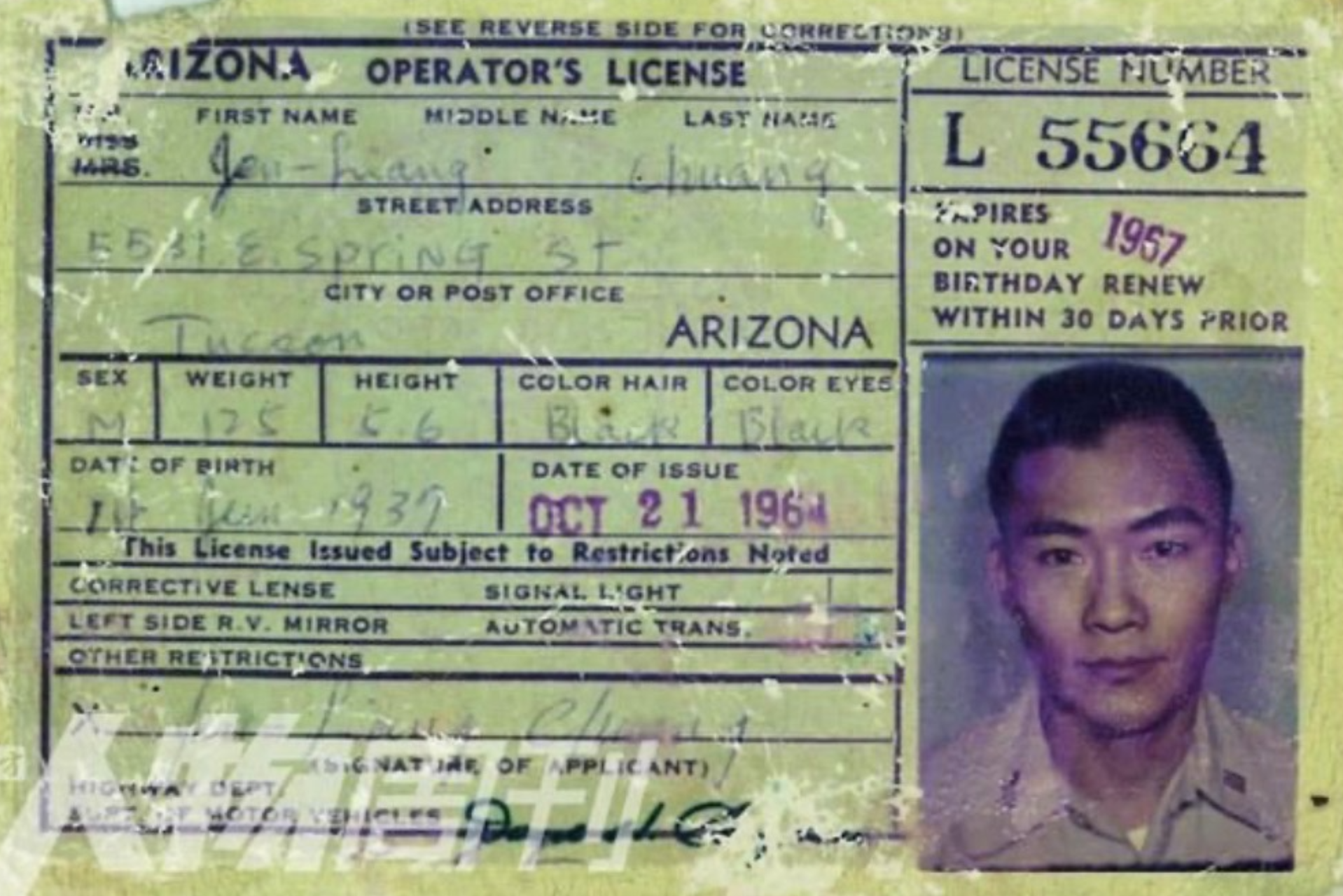
李嘉誠 × 台灣 · 霍氏家族前史
Evidence grades: [F] documented fact · [D] derived / single secondary source · [I] inferential — held open
TOM Group · Taiwan Media Infrastructure · Li Ka-shing's documented footprint on the island · 1999–2007
Corporate spine [F]
TOM.COM incorporated October 1999 as a joint venture between Hutchison Whampoa and Cheung Kong Holdings. IPO on the Hong Kong Stock Exchange Growth Enterprise Market (GEM), early 2000, with substantial retail demand. Transitioned to the Main Board 2004; rebranded TOM Group Limited. CK Hutchison Holdings retains a controlling stake (confirmed in TOM annual reports and CKH filings).
Taiwan acquisition timeline [F] — five transactions, 2001–2007
| Date | Transaction | Taiwan-side principals · source |
|---|---|---|
| Mar 2001 | ChinaTimes.com / CHINA-PLUS — 50/50 joint venture; US$5 million each party | ChinaTimes.com; Simon Cheng [CKH press release] |
| May 2001 | Home Media Group — 49% stake, NT$1.30144 billion (PC Home + Cite Publishing alliance) | 詹宏志、何飛鵬 [CKH press release] |
| Nov 2001 | Sharp Point 尖端出版 — acquisition; integration led by 詹宏志 | 黃鎮隆 (president) [CKH press release] |
| Dec 2001 | Business Weekly 商業周刊 — investment agreement | 金惟純、俞國定、王文靜、潘思源、詹宏志 [TOM filing] |
| 2007 | Pixnet 痞客邦 — controlling stake acquired; Taiwan's largest user-generated-content and blogging platform | Founders 曾皇霖、劉昊恩 [TOM interim report] |
城邦文化 · Cite Publishing — origin [F]
In 1996, 詹宏志 convened three independent publishers — 麥田出版 (literature and humanities), 貓頭鷹出版社 (illustrated reference), and 商周出版 (business and finance) — into a share-swap federation. Each imprint retained editorial independence; backend operations (warehousing, distribution, accounts) were pooled. By 2001 the alliance comprised approximately 40 publishers. TOM Group acquired the group at end-2001, renaming it 城邦媒體控股集團 (Cite Media Holding Group). [Wikipedia zh — 城邦文化] [城邦媒體控股集團 官網]
Precision note · 霍建寧 and the TOM deals
The disclosed TOM-side principals across all five Taiwan transactions were CEO Sing Wang, Chairman Frank Sixt, and director Susan Chow. 霍建寧 (Canning Fok) served as Group Managing Director of Hutchison Whampoa — TOM's parent company — during this period. His position was one of structural ownership, not documented operational direction: he does not appear as a named principal in any of the five transaction releases.
莊氏分辨 · Two distinct 莊 clans in Hong Kong business [F]
| Entity | 莊 line & source | Relation to 李嘉誠 | Taiwan |
|---|---|---|---|
| Chuang's Consortium International 庄氏集團 · HKEx 00367 |
Founded by Chuang Chung-wen, listed 1971 [Chuang's Group] | Separate tycoon dynasty; no documented blood or matrimonial tie to Li | sáv Residence Taipei — luxury residential complex near city centre; 20,600 sq ft GFA; one villa and six serviced apartments [Chuang's Group] [sáv Hospitality] |
| Chung Nam Group 中南集團 中南鐘錶 |
Founded by 莊靜庵 (b. 1908 Chaozhou; d. 1995) — "Hong Kong Watch King" [文匯報 2019] | Li's maternal uncle (弟弟 of 莊碧琴) and father-in-law (father of wife 莊月明, married 1963, d. 1990); dual kinship with documented commercial non-overlap — 「兩家在生意上罕有往來」 | No documented Taiwan operations |
霍氏家族前史 · Fok Family Background · 霍建寧 (Canning Fok) — family roots in KMT-era intelligence and communications
四代線索 · Four-generation lineage
| Person | Role and notes | Grade |
|---|---|---|
| 霍子常 great-grandfather |
Ancestral head of the Shunde 霍 clan; three sons: 霍實郎 (eldest, Canning Fok's grandfather), 霍實子 (second), 霍實頌 (third) | [D] |
| 霍實子 second grand-uncle |
Senior cryptanalyst, KMT era: head of 密電破譯組 (Cipher Decryption Section, Generalissimo's Headquarters research group); senior advisory post, 密電檢譯所 (Military Cipher Inspection and Decryption Office). One of Chiang Kai-shek's trusted 機要室 officials.
1983 Shanghai encounter [F]: In March 1983, former subordinate 池步洲 encountered 霍實子 — then an octogenarian — alongside former superior 李直峰, in Shanghai. 霍實子 testified that 池步洲's wartime work included breaking the Japanese 密電 signalling the Pearl Harbor attack and that he deserved complete rehabilitation. Shanghai High People's Court rehabilitated 池步洲 on 12 April 1983. [文匯報 2018] Post-1949 trajectory [F]: 霍實子 did not relocate to Taiwan. His presence in Shanghai in March 1983 as a living witness confirms PRC mainland residency throughout the postwar period. KMT intelligence service was a prosecutable liability under 鎮反 campaigns — the same dynamic that imprisoned colleague 池步洲 for twelve years (1952–1964). |
[D] role [F] 1983 [F] mainland |
| 霍實頌 third grand-uncle |
燕京大學 physics graduate (president 司徒雷登 era); wartime Director-General of the Radio Station, 軍委會西南軍品運輸處 (Southwest Military Supplies Transport Bureau); post-war managed what became China's first commercial broadcast radio station in Guangzhou. Wife 莫國慧 served as secretary to 何香凝 and press spokesperson at the time of 廖仲愷's assassination; sister 莫國康 was 陳公博's private secretary | [D] |
| 霍家楠 father |
English translator at the KMT Nanjing Presidential Palace; later relocated family to Hong Kong | [D] |
| 霍建寧 Canning Fok |
Diocesan Boys' School; B.A. University of Hong Kong; C.P.A. Australia (University of New England). Joined Cheung Kong Group 1979; executive director Hutchison Whampoa 1984; Group Managing Director 1993 onward. Highest-compensated professional manager in Hong Kong — 打工皇帝. 1999 sale of Orange plc to Mannesmann (≈HK$100 billion) ranks as his signature transaction. [Hutchison annual-report biography 2001] | [F] |
Genealogy source: [Sina — 霍建寧家族史] — single family-history feature; Jiemian republication is the same text, not an independent confirmation. Genealogy not corroborated against civil or clan records. All claims from this source carry [D].
三條平行線索 · Three parallel continuities — non-intersecting
Lane I · Kinship [D]
霍實子 and 霍實頌 reported as grand-uncles of 霍建寧; 霍家楠 as Nanjing Presidential Palace translator. Single family-history feature (Sina / Jiemian: same text). Not independently confirmed against civil or clan records.
Lane II · Institutional [F]
The wartime KMT cipher apparatus (軍委會技術研究室) reconstituted in Taiwan as 國防部技術研究室 (post-1945), then 電訊發展室 (1963), feeding into the National Security Bureau and military intelligence. [Wikipedia zh-tw] Documented organizational survival on Taiwan — no public bridge found to any TOM deal counterparty.
Lane III · 余紀忠 Media Bridge [F]
余紀忠: wartime KMT roles (三青團宣傳處副處長; Central Propaganda Dept. Northeast commissioner; Northeast security-command political director) → founded 徵信新聞 in Taiwan 1950, renamed 中國時報 1968 → ChinaTimes.com became TOM's 50/50 joint venture partner, March 2001. [余紀忠文教基金會] Propaganda / political-warfare lineage, not signals-intelligence; no identified connection to 霍實子.
Finding · Non-intersection of the three lanes
霍實子 did not relocate to Taiwan. His presence in Shanghai in March 1983 as an octogenarian confirms PRC mainland residency throughout the postwar period. His wartime cipher role was a prosecutable liability under 鎮反 — the same liability that imprisoned 池步洲 for twelve years — not a deployable network asset on the island. The disclosed deal principals across TOM's five Taiwan transactions (TOM side: Sing Wang, Frank Sixt, Susan Chow; Taiwan side: 詹宏志, 何飛鵬, 黃鎮隆, 金惟純, ChinaTimes.com) show no cipher-apparatus overlap. The hypothesis of a Fok-family HUMINT channel behind TOM's 2001–2007 Taiwan acquisitions is falsified at the mechanism level: the claimed channel did not exist on the island. The 余紀忠 bridge (Lane III) documents a real but distinct KMT lineage — propaganda, not signals intelligence — with no identified connection to the Fok family. The three lanes are parallel, not converging.
機構譜系框架 · Institutional Genealogy · Network → Charter · not Charter → Network · evidence-graded
Every entity in the tradition documented on this page is a network using an instrument, not an instrument that created a network. The charter, the papal bull, the parliamentary act, the corporate form — these are legal surfaces. The underlying substrate — bloodlines, marriages, shared initiation, commercial loyalties — persists across centuries while the instrument forms change. The correct analytic question is always: who are the families behind the institution?
Proper keepers · delegated sovereignty + armed + territorial [F]
| Entity | Date | Network behind it | Contemporary successor |
|---|---|---|---|
| Hospitaller Order | 1113 | European noble bloodlines; constitutionally defined by documented genealogy (multiple quarterings of nobility required) | Continuous institutional survival to present; 120+ bilateral diplomatic relations [F] |
| Templar Order | 1139–1312 | Champagne–Burgundy–Flanders kin and patronage cluster: Hugues de Payens (vassal of Count Hugh I of Champagne); André de Montbard (Bernard of Clairvaux's maternal half-uncle — the reason De laude novae militiae exists); Godfrey de Saint-Omer (castellan house of Flanders); Hugh I of Champagne (patron of both the Cistercian foundation at Clairvaux, 1115, and the Templar order, which he entered himself in 1125); Fulk V of Anjou (grandfather of Henry II of England — the documentable root of Angevin and English patronage). Consanguineous with the ruling house of the Latin Kingdom. Every name traceable through cartularies, witness lists, and royal archives [F — Malcolm Barber; charter evidence]. Iberian strand separate and dynastic: Concord of Girona (1143), Ramon Berenguer IV, Gualdim Pais, Tomar (1160) → continued as Order of Christ (1319) [F]. Suppressed 1307, dissolved 1312. | Assets transferred to Hospitallers [F]; continuation as Order of Christ (Portugal, 1319) [F]; Scottish refuge [D — Sinclair/Rosslyn, this page] |
| Order of Christ → Estado da India | 1319 / 1505 | Templar assets + Portuguese Crown; financed Vasco da Gama's voyages; first chartered territorial empire | Template for EIC and VOC charters [F] |
| EIC | 1600–1874 | City of London merchant families + Sephardic Iberian network (Mocatta, Goldsmid, Sassoon); directors simultaneously MPs; governed India directly | HSBC (1865, G-SIB Bucket 3) · Standard Chartered (1853, G-SIB Bucket 1) · Jardine Matheson (1832, HK) [F] |
| VOC | 1602–1799 | Heeren XVII: Amsterdam regent families (Bicker, Hooft, Pauw, De Graeff, Cromhout, Six, Hudde) + Sephardic Iberian network (Mendes, Pereire, Teixeira, Palache); simultaneously controlled city government, Wisselbank, Dutch Navy | NHM (1824) → ABN (1964) → ABN AMRO · Royal Dutch Shell (1890, former VOC territory) · ING (Dutch G-SIB Bucket 1) [F — Jonathan Israel, Dutch Primacy in World Trade, 1989] |
| WIC | 1621–1792 | Calvinist refugee families from Antwerp (1585) + Huguenots + Amsterdam regent overlap; patroon families in New Amsterdam: Van Rensselaer, Pauw, Van Cortlandt, Schuyler (→ married Hamilton → founding US finance); Stuyvesant name persists in Manhattan geography | Bank of New York (Hamilton, 1784) → BNY Mellon (G-SIB Bucket 1) [F — Russell Shorto, The Island at the Center of the World] |
| Hudson's Bay Company | 1670– | Stuart court; Prince Rupert (first Governor); Rupert's Land grant encompassed 40% of modern Canada; still chartered | HBC retail company; Rupert's Land grant reversed to Canada 1870 [F] |
| Royal Niger Company | 1886–1900 | George Taubman Goldie + City of London merchant network; royal charter 1886; jus belli; governed what became Nigeria; charter revoked 1900 by British Crown (£865,000 compensation) | Niger Company Ltd → absorbed into Lever Brothers → Unilever (1929 merger) via United Africa Company — the direct commercial successor to the charter assets [F] |
| British South Africa Company | 1889–1924 | Cecil Rhodes + City of London + Round Table movement (Rhodes → Alfred Milner → CFR → Rockefeller → JPMorgan Chase, Bucket 4 — the loop between the 1889 colonial charter and today's highest-bucket G-SIB); own police force (BSAP); governed Rhodesia (now Zimbabwe and Zambia); charter terminated 1923 (Southern Rhodesia) / 1924 (Northern Rhodesia) | Charter Consolidated (1965) → Charter International → merged Colfax Corporation (2011) → split 2022 into ESAB (welding equipment) and Enovis (medical devices): a company that governed Zimbabwe and Zambia now makes welding rods and prosthetics [F] |
Not proper keepers · different institutional species
Amsterdam Wisselbank (1609) — municipal institution of Amsterdam; upstream financing of the VOC, not a delegated-sovereignty grant. Related to the VOC by financing, which is a different relation. Removed from the lineage; its instruments (bills of exchange, clearing) descended from Medici Florence and were inherited by the VOC as its financial operating system.
Bank of England (1694) — chartered monopoly with delegated public functions (note issue, government debt management) but never territorial or armed. Comparable in the delegation dimension only. Qualified keeper; different institutional species from VOC/EIC.
Evidentiary note on Templar "bloodlines" — the documented evidence shows endowments passing to institutions (Hospitallers, Order of Christ, Concord of Girona territorial grants), not to biological descendants. The Champagne–Burgundy–Flanders founding cluster explains 1129; it explains nothing about 1400 or 1717. What the popular literature calls "Templar bloodline" refers to the Plantard fabrication — a different object entirely. The column in the table above is therefore labelled by mechanism (jus belli + territorial governance), not by blood. The Sinclair/Rosslyn tradition in this page is graded [D] for precisely this reason [F for the methodological distinction — Malcolm Barber, The New Knighthood; Concord of Girona charters, 1143].
Treaty of Breda (1667) · The worst trade in history [F]
Ending the Second Anglo-Dutch War: England retained New Amsterdam (renamed New York); the Dutch received Suriname. The WIC calculated that sugar plantations were worth more than a commercial harbour. The island that became the financial capital of the Western world — and the institutional base of today's highest-bucket G-SIB (JPMorgan Chase, WIC patroon territory → Hamilton → Chase → JPMorgan, Bucket 4) — was traded for a sugar colony. The year the Dutch lost New Amsterdam (1664) came two years after Koxinga expelled the VOC from Formosa (1662): both Dutch colonial positions, east and west, lost within a two-year window.
1624 parallel · Formosa and Mannahatta. The same year the VOC built Fort Zeelandia on the southwest coast of Formosa, the WIC — the VOC’s sister charter (States-General, 1621), same institutional parent, same Heeren XVII network overlap, same 1624 expansion year — established Fort Orange (near present-day Albany) and sent the first settlers to the island the Lenape called Mannahatta. Peter Minuit’s purchase for 60 guilders followed in 1626. Two charter vehicles of the Dutch Republic, active simultaneously at opposite ends of the globe: VOC in Formosa, WIC in Mannahatta. The island that became the semiconductor capital of the East and the island that became the financial capital of the West were Dutch colonial possessions at the same historical moment, lost within two years of each other.
G-SIB successors · FSB 2024 list (29 banks) mapped to lineage [F — FSB, 26 Nov 2024]
| G-SIB | Bucket | VOC / EIC / WIC lineage | In this page |
|---|---|---|---|
| JPMorgan Chase | 4 | WIC patroon territory → Hamilton/Bank of New York → Chase → JPMorgan; Rockefeller (Standard Oil → Chase National Bank) | No |
| HSBC 滙豐 | 3 | Founded 1865 under a Hong Kong Ordinance to finance post-EIC Hong Kong/Shanghai trade; still issues HK banknotes under delegated authority — simultaneously an EIC-territory financing successor and a delegated monetary function holder; the only G-SIB occupying both institutional species at once | Yes [F] — documented in Jiangnan network |
| Bank of China | 2 | PRC state bank | Yes [F] — funded Foremost Group (朱木蘭/McConnell chain) |
| ING | 1 | Dutch banking tradition — shares institutional DNA with NHM/VOC successor lineage | No |
| Standard Chartered | 1 | 1969 merger of Chartered Bank of India, Australia and China (royal charter 1853) + Standard Bank of British South Africa (1862). Still bears its royal charter in its name; still issues HK banknotes alongside HSBC — a second delegated monetary function holder in the same market | No (structurally relevant) |
| BNY Mellon | 1 | WIC direct successor — Bank of New York (Hamilton, 1784) in WIC patroon territory | No |
Remaining 23 G-SIBs: 4 US (Citigroup, Bank of America, Goldman Sachs, Morgan Stanley, Wells Fargo, State Street) · 4 PRC state banks (Agricultural Bank of China, China Construction Bank, ICBC, BoCom) · European (Barclays, BNP Paribas, Deutsche Bank, Groupe Crédit Agricole, BPCE, Société Générale, UBS, Santander, UniCredit) · Japanese (MUFG, Mizuho, SMFG) · Canadian (RBC, TD). FSB source: [FSB G-SIB list, 26 Nov 2024]
G-SIB home countries · NATO status and Taiwan alignment [F]
24 / 29 · NATO or US treaty ally
NATO founding (1949): US (8 G-SIBs), UK (HSBC, Standard Chartered, Barclays), France (BNP Paribas, Crédit Agricole, BPCE, SocGen), Netherlands (ING), Canada (RBC, TD). Later NATO: Germany (Deutsche Bank), Spain (Santander). US treaty ally, non-NATO: Japan (MUFG, Mizuho, SMFG) — Treaty of Mutual Cooperation and Security; the Ryukyu Islands make Taiwan's defence Japan's defence by geography [F]. Neutral: Switzerland (UBS) — permanent neutrality.
5 / 29 · Adversarial to Taiwan's sovereignty
PRC state banks: Agricultural Bank of China, Bank of China, Bank of Communications, China Construction Bank, ICBC — all G-SIBs, all inside the FSB regulatory framework alongside their NATO-country counterparts, sharing SWIFT, Crisis Management Groups, and mutual derivatives exposure. Bank of China is documented in this page as a PRC state instrument funding the Foremost Group / McConnell chain [F]. The FSB system structurally integrates adversarial and allied banking networks — which is precisely what makes financial decoupling from the PRC so difficult.
The decisive non-G-SIB · ASML
The most consequential entity for Taiwan's security in this entire institutional chain is not a G-SIB. ASML (Veldhoven, Netherlands) is the world's sole manufacturer of EUV lithography machines — without which TSMC cannot produce advanced semiconductors, without which the entire Western alliance's defence electronics supply chain fails. A Dutch company, from the NATO founding member and VOC successor country expelled from Formosa in 1662, is now the indispensable industrial partner of the same island's semiconductor industry. The polarity has not merely inverted across 362 years; it has become a security interdependence: ASML is Taiwan's most critical industrial ally, embedded through technology rather than treaty.
HSBC and Standard Chartered complication: both are NATO-country (UK) G-SIBs and EIC successors, but both carry massive PRC market exposure (HK revenue base, mainland operations) that creates structural pressure against explicit Taiwan-alignment positions — NATO-country institutions that behave, on Taiwan, with the caution of institutions that cannot afford to lose PRC access.
Caveat · Partial truth of Western G-SIB alignment with Taiwan
To say the 24 NATO-and-allied G-SIBs support Taiwan is at best partially true. Without their decades of financing, tolerance, and integration of the PRC into the global financial system, the PRC would not have accumulated the economic and military capacity it holds today. The Western financial grid actively enabled three decades of PRC growth; in doing so, it suppressed — or at minimum did not amplify — voices critical of the CCP, and in some cases the surveillance and social-credit architecture being built in the PRC was observed, studied, and in certain respects emulated in corporate and platform contexts globally [D — documented in individual corporate decisions; systematic coordination is [I]].
The relevant shift is 2012 — and more sharply 2017 — when the current CCP leadership began operating outside the parameters the Western system had assumed would contain it [F — documented in foreign policy literature]. The "No Limits" partnership with Russia (2022), active support for Putin's war in Ukraine, and the documented military build-up oriented toward Taiwan represent a departure from the managed integration model the grid had priced in [F]. This departure is what converted the PRC from a system the grid had domesticated into a system the grid can no longer control.
The Taiwan scenario carries a specific cascade structure. A PRC blockade or invasion of Taiwan cuts the logistic and supply lines on which Japan depends; Japan is therefore compelled to respond under the 美日安保 (US-Japan Treaty of Mutual Cooperation and Security) [F — treaty obligation]. Once Japan is in, the PRC's strategic incentive runs toward striking US bases in Japan and Okinawa before the US force posture can be established — which activates the full US treaty commitment [F — treaty structure; operational scenario [D]]. The resulting alignment — USA + Japan + Taiwan against the PRC — follows from treaty obligation and geography. The Ryukyu Islands make Taiwan's defence Japan's defence by physical proximity, regardless of any political preference.
Whether the grid — the interlocked system of G-SIBs, treaty alliances, and institutional networks documented in this card — will permit that war to escalate to its logical conclusion, or will apply financial and institutional pressure to contain it, is the open strategic question [I]. What is not open: the grid financed both sides of the present confrontation. The Western G-SIBs that are now being asked to support Taiwan's defence are the same institutions whose decades of PRC integration created the adversary they are being asked to deter.
Fusion centers and G-SIB security infrastructure
G-SIBs sit inside the critical-infrastructure protection regime and are structurally connected to the US fusion-center network — the joint federal-state-local intelligence-sharing apparatus established after 2001. Where financial-sector security concerns and domestic law-enforcement coordination intersect, the fusion-center system is the infrastructure through which that intersection is designed to run.
The 2023 APEC case. During Xi Jinping's November 2023 visit to San Francisco for the APEC summit, a Washington Post investigation — built on over 2,000 photos and videos, 35+ witness interviews, security-guard text messages, WeChat diaspora group messages, medical records, and facial-recognition analysis of 21+ hours of footage — documented pro-CCP diaspora group members physically harassing anti-Xi protesters. Public arrest records were repeatedly deferred by the San Francisco Police Department, which cited a backlog; an SFPD spokesman told the Post the department was "fully deployed," did an "excellent job," and coordinated with local, state, and federal partners [F]. [Washington Post, 2024]
The Northern California Regional Intelligence Center (NCRIC), the DHS-recognized fusion center for the region, and the FBI San Francisco Field Office are co-located in the same building — the Phillip Burton Federal Building, 450 Golden Gate Avenue [F]. [FBI field offices] [NCRIC] What is documented: zero public arrest records from a violent altercation, an official statement calling the response excellent, and multi-agency coordination in a jurisdiction whose fusion center and FBI field office share an address. The case illustrates the infrastructure available for such coordination; it is presented here as documentation, not as a claim about what occurred inside it.
A concrete surveillance-capability example: WiFi sensing [F]
The caveat above notes that PRC surveillance and social-credit architecture was, in certain respects, observed, studied, and emulated in corporate and platform contexts globally [D]. The following is offered as a concrete, present-day illustration of what "emulation" can mean in practice, independent of any claim about PRC involvement in its specific standardization.
In October 2024 the IEEE finalized 802.11bf (published 2025), the Wi-Fi Sensing amendment to the 802.11 standard, covering 1–7.125 GHz and above 45 GHz. It standardizes the use of Channel State Information (CSI) — the reflection and interference pattern any WiFi signal already produces bouncing off walls, furniture, and people — for motion detection, presence sensing, gesture recognition, and physiological monitoring (breathing, heart rate). [IEEE 802.11bf-2025] [NIST overview] Before this standardization, WiFi sensing required research-grade network cards and custom firmware. Standardization writes the capability directly into commodity routers, chipsets, and the 5G/6G Integrated Sensing and Communications (ISAC) roadmap the ITU has already incorporated as a 6G scenario for IMT-2030.
The barrier to deployment is now approximately nine dollars. RuView, an actively maintained open-source project, demonstrates through-wall pose estimation, contactless breathing and heart-rate monitoring, fall detection, and multi-person tracking using a single ESP32 microcontroller reading CSI from ordinary WiFi — no camera, no wearable, no line of sight required. Its own published use-case catalogue names, among dozens of civilian applications, "Border & perimeter security" ("passive / covert" detection through fences and tunnels), "Prison & secure facilities" (cell occupancy and vital-sign monitoring with "no camera blind spots"), and "Military / tactical" (through-wall personnel detection at standoff range) applications. [RuView, GitHub] What has changed is not that surveillance capability exists — it always has, at a cost. What has changed is that the cost has fallen to consumer-hardware pricing and the capability has been written into the standard that governs the WiFi and forthcoming 5G/6G networks already deployed in most homes, offices, and public spaces. A capability need not be secretly installed to enable mass surveillance; it need only be cheap enough, and standard enough, that its absence becomes the exception. Whether any G-SIB, sponsor network, or state actor documented elsewhere in this card played a role in pushing this specific standardization is not established here [I]; what is established is that the capability now exists, cheaply, inside the same commodity networks the "grid" itself financed into global ubiquity.
蒙元 · The Continental Bloc Precedent · 1241 · the one historical instance · Mackinder's Heartland
At its height the Mongol Empire ran from the Vistula to the Sea of Japan — a single continental power controlling the Eurasian heartland and the East Asian littoral simultaneously. It is the only instance of that configuration in recorded history. Halford Mackinder's Heartland thesis (1904) identified precisely this arrangement as the one that would render the World-Island ungovernable from the maritime periphery [F]. Preventing its reconstitution is the organising logic of the post-1945 architecture — NATO, the 美日安保 (US-Japan Treaty of Mutual Cooperation and Security) treaty, and the Indo-Pacific partnerships documented in the panel above.
1241 · Kraków [F]
Batu Khan and Subutai's western campaign reached Poland in 1241. The Mongols occupied Kraków for ten days, failed to take Wawel Hill or St. Andrew's Church, and burned the city on 31 March 1241. At Legnica the same year, Polish and German forces were defeated piecemeal — the coordination failure that alliance structures exist to prevent. [Sack of Kraków, 1241]
From the tower of St. Mary's Basilica in Kraków, the hejnał mariacki is played every hour on the hour, four times in succession, to each of the four cardinal directions. The tune breaks off mid-phrase. Seven trumpeters maintain the watch in twenty-four-hour shifts; the noon call is broadcast nationally. The earliest written record of the practice appears in civic pay accounts of 1392. Eight centuries after the city burned, the alarm is still sounded every hour, in every direction, without interruption. [Hejnał mariacki]
Where the precedent applies [D]
Simultaneous pressure on Europe and the Indo-Pacific from a single continental axis. Operational tempo exceeding the defenders' capacity to coordinate across theatres. Exploitation of alliance fragmentation — the Legnica pattern, forces committed separately and defeated in sequence. A Russia–PRC bloc reconstitutes the geographic span, if not the unified command.
Where it does not [F]
The Mongol Empire was one polity under one khan with unified command. Russia and the PRC are two sovereign states with divergent interests in Central Asia, the Arctic, and the Russian Far East. Nuclear deterrence has no medieval analogue. The Mongol withdrawal from Europe in 1242 followed Ögedei Khan's death and the succession politics that followed — continental blocs of this type have historically fragmented from within rather than been defeated from without.
Ming containment · 1368–1424 [F]
The condition that ended the Mongol threat to the West was a Chinese policy achievement. The Hongwu Emperor overthrew the Yuan in 1368 and drove the Mongols back to the steppe, where they persisted as the fragmented Northern Yuan. The Yongle Emperor's five personal expeditions (1409–1424) — up to 500,000 troops, artillery deployed at the Tula River in 1414 — combined deliberate divide-and-rule tactics between the Eastern Mongols and the Oirats to prevent any single leader from reunifying the steppe. The strategy held: no pan-tribal Mongol authority re-emerged until Dayan Khan's reforms in the early 1500s, roughly 130 years later. A strong, internally directed Ming was therefore the mechanism that kept the steppe fragmented and the Vistula quiet — the byproduct of a Chinese containment policy pursued for its own reasons.
The precondition does not hold today. The present relationship between the PRC and the West is already a cold war in most of its structural features — a trade war in its explicit form, and formally named a national security threat by the US Congress and multiple executive-branch determinations. What historically fragmented the steppe was a Ming state strong enough, and oriented outward against the Mongols specifically, to enforce disunity on them. What exists now is the opposite configuration: a PRC under Xi and a Russia under Putin converging rather than fragmenting, with no equivalent external force presently enforcing disunity between them. The Ming case is instructive precisely because the mechanism that worked then is not the mechanism operating now.
魯王 朱以海 · The Ming diaspora, Kinmen and Taiwan [F]
朱以海 (1618–1662), Prince of Lu (魯王), ninth-generation descendant of Hongwu's ninth son 朱檀, held the title of Jianguo (監國, administrator of the state) for the Southern Ming resistance from 1645. After the fall of Zhoushan in 1651 he took refuge with Koxinga at Xiamen and Kinmen; relations with Koxinga soured and he relinquished his regency title in 1653, living out his final years as a dependent in Kinmen, where he died in 1662 — the same year as Koxinga's expulsion of the Dutch from Formosa and the death of the Yongli Emperor documented elsewhere on this page. By the tomb inscription discovered in 1959, he died of an asthma attack, not by drowning at Koxinga's order as the Ming History draft alleged for three centuries. [Wikipedia zh — 朱以海] [金門日報 — 魯王墓誌發現始末]
His posthumous son 朱弘桓 was escorted across the strait to Taiwan under the protection of 寧靖王 朱術桂 and 鄭經, remaining until the fall of the Zheng regime in 1683. His tomb stands today at Taiwu Mountain, Kinmen; the 魯王壙誌 tomb tablet, rediscovered in 1959, is a designated National Treasure of the Republic of China. In 1721, the Taiwan-based rebel 朱一貴 claimed descent from the Prince of Lu's line in raising his anti-Qing uprising — invoking the Ming royal name specifically because it still carried legitimating force on the island six decades after the dynasty's formal end. [國立歷史博物館 — 魯王壙誌] [朱以海生平]
The wider 莊-surname dispersal documented throughout this page runs along the same maritime corridor: 莊萬里 in Manila (Jinjiang → Philippines), 莊世平 and the Juangroongruangkit family in Thailand (Fujian → Thailand), and the Fujian → Taiwan → overseas lineage chains documented via 莊希泉 and 莊炎林. This is a surname-network migration [D — per the Surname Evidence Standard], evidentiary grade distinct from the documented royal genealogy of 朱以海 and 朱弘桓 [F]. Fujian, Kinmen, Taiwan, Manila, and Bangkok trace the same corridor the Southern Ming used in 1662; that corridor sits today at the centre of the Indo-Pacific security architecture this card documents.
The inversion
Russia was a tributary of the Golden Horde from 1237 to 1480 — roughly two and a half centuries of Mongol suzerainty over the Rus' principalities [F]. A Russia that becomes the junior economic partner in a PRC-led continental bloc does not repeat the Mongol conquest. It repeats its own subordination within it, this time by choice.
PRC-affiliated Chuang figures · documented without endorsement
莊-surname figures with public roles affiliated with, aligned with, or operating within the institutional framework of the People's Republic of China or its Hong Kong SAR structures are listed as part of the surname survey. Listing a public role does not imply endorsement of the person’s positions, affiliations, or political system.
莊文怡 Susan Zhuang NYC Council, Brooklyn 43rd · PRC consulate contact
NYC Council member for Brooklyn’s 43rd district. An August 2025 New York Times investigation reported that she appeared alongside officials of the Chinese consulate on at least 30 occasions and directed over $300,000 in city council funds to Chinese-American non-profit organisations described as closely connected to Beijing.
莊希泉 Zhuang Xiquan 1888–1988 · Xiamen/Anxi, Fujian · vice-state-level rank
Born 9 September 1888 in Xiamen (廈門), Fujian; ancestral home Anxi (安溪), Fujian. A Singapore-based overseas Chinese entrepreneur and political figure who returned to the PRC after 1949 and rose to vice-state-level rank, serving as Vice Chairman of the Chinese People’s Political Consultative Conference and in senior roles in overseas Chinese affairs. His ninety-nine years spanned the late Qing, Republic of China, and PRC eras. Died 14 May 1988. His Fujian–Singapore–PRC trajectory is structurally representative of the Hokkien 莊 diaspora arc through Southeast Asia and back into the PRC institutional framework. [Wikipedia zh — 莊希泉]
莊炎林 Zhuang Yanlin 1921–2020 · Anxi, Fujian · returned overseas Chinese from Singapore
Born 21 November 1921 in Anxi County (安溪縣), Fujian; died 27 July 2020, aged 98. A returned overseas Chinese from Singapore, he Served as Vice Director of the China National Tourism Administration (Deputy Director, National Tourism Administration) and as Chairman of the All-China Federation of Returned Overseas Chinese (Chairman, All-China Federation of Returned Overseas Chinese), and was a member of the 6th, 7th, and 8th CPPCC National Committees. The structural parallel with 莊希泉 (also Anxi, Fujian; also Singapore returnee; also 全國僑聯 leadership; also near-centenarian at 99) is exact enough to constitute a pattern rather than coincidence within the Hokkien 莊 diaspora arc.
The farewell ceremony in Beijing drew a remarkable concentration of PRC leadership across generations. Active Politburo Standing Committee members 栗戰書, 汪洋, 王滬寧, and 王晨 attended or sent wreaths, alongside former General Secretary 胡錦濤, former Premier 朱鎔基, and former CPPCC chairmen 李瑞環, 賈慶林, 俞正聲. Former vice-president 曾慶紅 and PSC member 賀國強 also expressed condolences, as did a further dozen senior officials including 張德江, 遲浩田, 王兆國, 彭珮雲, 胡啟立, and 廖暉. Most notably, 齊心 — widow of 習仲勛 and mother of Xi Jinping — sent a personal wreath. Over 400 people attended, including 中國僑聯 leadership, central overseas-Chinese affairs officials, Fujian provincial party leaders, and hometown representatives. The breadth of attendance, spanning four former CPPCC chairmen, a former premier, a former general secretary, and Xi Jinping’s mother, signals that the 全國僑聯 chairmanship carried political weight substantially exceeding its nominal portfolio. [Wikipedia zh — 莊炎林]
莊世平 Zhuang Shiping 1911–2007 · Puning, Guangdong · overseas Chinese from Thailand · Grand Bauhinia Medal recipient
Born 20 January 1911 in Puning (普寧), Guangdong — a Teochew (潮州) origin, distinct from the Hokkien/Fujian 莊 cluster. An overseas Chinese from Thailand (泰國華僑). He founded the Nan Yang Commercial Bank (南洋商業銀行) in Hong Kong, which operated from its establishment as one of the main PRC-connected financial channels in the colony, and founded the Nam Tong Bank (南通銀行) in Macau. He was awarded the Grand Bauhinia Medal, Hong Kong’s highest civilian honour. Died 2 June 2007. [Wikipedia zh — 莊世平]
莊豪鋒 Mark Chong Ho-fung b. 1984 · Hong Kong LegCo · New Territories North West
Born 1 February 1984. IT startup founder and electrical engineer; Executive Director of Roundtable; currently serving as a Legislative Council member for the New Territories West North (New Territories North West) constituency. Operates within the post-2021 restructured Hong Kong LegCo. [Wikipedia zh — 莊豪鋒]
莊雅婷 Angel Chong Nga-ting b. 2000 · Hong Kong · DAB / pro-establishment
Born 30 August 2000. Pro-establishment (pro-establishment) politician and DAB member; appointed to the Sai Kung District Council in the 2023 cycle — the youngest appointed member in that cohort. Serves concurrently as Standing Vice Chair of the Hong Kong Federation of Fujian Associations Youth Committee (香港福建社團聯會青委會常務副主任), committee member of the All-China Youth Federation, and vice chair of Young DAB (青年民建聯). Employed as Deputy Manager, Analysis and Knowledge Management Centre, China Merchants Financial Holdings (Hong Kong). Her Fujian associational roles are noted here in light of the broader Hokkien 莊 Fujian diaspora thread documented across the historical record. [Wikipedia zh — 莊雅婷]
莊重文 → 莊紹綏 → 莊家彬 莊士集團 Chuang’s Consortium · HKEx 0367 · est. 1970
莊士集團 (Chuang’s Consortium) is a three-generation Hong Kong conglomerate founded in 1970 by 莊重文, listed on the Hong Kong Stock Exchange in 1971, and renamed Chuang’s Consortium in 1972. On 莊重文’s death in 1993, management passed to his son from his first marriage, 莊紹綏 (b. 1951), who serves as Chairman. The third generation is represented by 莊家彬, currently Vice Chairman of the group. The group’s holding company (HKEx: 0367, incorporated in Bermuda) develops and invests in real estate across Hong Kong, Vietnam, Malaysia, Taiwan, and Mongolia; it also holds a 57% interest in 莊士中國 (HKEx: 0298) and a 61% interest in 勤達集團 (HKEx: 1172). The group’s most visible Hong Kong asset is 莊士大廈 (Chuang’s Tower), at 30–32 Connaught Road Central; the parent company and its subsidiary 莊士中國投資 occupy offices at Alexandra House (歷山大廈), 18 Chater Road, Central — the cluster visible in contemporaneous Google Maps listings under both traditional (莊士) and simplified (庄士) character forms.
莊紹綏 was elected to the 11th National Committee of the Chinese People’s Political Consultative Conference (CPPCC) in 2008, representing the All-China Federation of Returned Overseas Chinese (全國僑聯), assigned to Group 25; he also served as a specialist committee member of the Hong Kong, Macau, Taiwan and Overseas Chinese Committee (港澳台僑委員會). He was re-elected to the 13th CPPCC National Committee in January 2018, and has served as Standing Committee member of the All-China Federation of Returned Overseas Chinese (Standing Committee member, All-China Federation of Returned Overseas Chinese) for the 9th and 10th sessions. His son 莊家彬 holds the position of Standing Committee member of the All-China Youth Federation (Standing Committee member, All-China Youth Federation). The family thus spans three consecutive generations of CPPCC-adjacent institutional representation, from the founder’s commercial establishment in 1970 through the current third-generation leadership. [Wikipedia zh — 莊士機構] [Wikipedia zh — 莊紹綏]
Central HK Geographic Cluster OSINT · 莊-Sheng banking network & Chuang’s Consortium · <500m radius
An OSINT geographic finding: five institutions whose actors are documented across the historical record all operate within approximately 500 metres of each other in Central, Hong Kong Island, on the same tram-line corridor that has connected Central to Wan Chai since 1904. No specific bank financing agreements between Chuang’s Consortium and any of these banks appear in public records; this is a geographic observation, not a documented business relationship. Specific loan or deposit relationships would require HKEx filing analysis.
| Address | Institution | Chuang network connection |
|---|---|---|
| 1 Queen’s Road Central | HSBC Main Building Hongkong & Shanghai Banking Corp. |
Technical adviser at founding of 中國通商銀行 (1897; 盛宣懷 × 莊畹玉); facilitated Li Ka-shing / Hutchison (1979; mother 莊碧琴, wife 莊月明) |
| 12 Queen’s Road Central | 上海商業銀行 (SCB) Shanghai Commercial Bank; SCSB HK arm; 1950– |
Founded by 莊得之 (SCSB, 1915; 莊畹玉's brother, 毗陵莊氏); part of Three Shanghai Alliance (1999; SCSB × SCB × Bank of Shanghai) |
| 30–32 Connaught Road Central | 莊士大廈 Chuang’s Tower flagship asset of 莊士機構 HKEx: 0367 |
莊 surname (Chuang’s Consortium lineage, distinct from 毗陵莊氏); same tram corridor as Johnston Road (莊士敦道, Wan Chai) ~1.5km east |
| 18 Chater Road (Alexandra House 歷山大廈) |
庄士中國投資 / Chuang’s China Investment; Chuang’s Consortium International |
Operational offices of 莊士集團 HK holding entities |
| Bank Street / Garden Road | Bank of China Tower I.M. Pei, 1990; HQ of 中銀香港 SEHK: 2388 |
中銀香港 (2001 merger) includes HK lineage of 中國通商銀行 (1897; 盛宣懷 × 莊畹玉/德華, 毗陵莊氏); Li Zhuangfei’s institution’s HK arm |
莊紫祥 BBS JP Christopher Chuang Tze-cheung · 晉江, Fujian · 銀迅集團
From Jinjiang (晉江), Fujian. Graduated from the University of East Anglia (Computer Accounting); holds UK chartered accountancy (ICAEW), Hong Kong CPA, UK MBA, French DBA, and a US doctorate in finance. Chairman of 銀迅集團. Holds over sixty concurrent public roles including HK Election Committee member, 東華三院 director, and co-initiator of the 香港再出發大聯盟 (Coalition for a Better Hong Kong, est. 2020) — the same coalition co-initiated by 李嘉誠 (Li Ka-shing), whose mother was 莊碧琴 and whose wife was 莊月明, both 莊-surname women documented in the historical record. The presence of a Jinjiang 莊 CPPCC member and the Li Ka-shing family in the same post-NSL civil society structure is a data point, not evidence of coordination. [Wikipedia zh — 莊紫祥]
莊小龍 Zhuang Xiaolong b. 莆田, Fujian · former PLA special forces · actor
Born in Putian (莆田), Fujian; former PLA special forces soldier who transitioned to acting. His debut film was 《戰狼》 (Wolf Warrior, 2015), the inaugural entry in the flagship PRC nationalist action franchise; he was nominated for Best New Action Actor at the Shanghai International Film Festival’s Jackie Chan Action Movie Week and won the 33rd Hundred Flowers Award Best New Actor (第33屆 大眾電影百花獎最佳新人獎) for the role. He appeared in 《戰狼Ⅱ》 (Wolf Warrior 2, 2017), which became the highest-grossing Chinese film in history at the time of its release. Further credits include the air-force drama 《空天獵》 (2017), the airborne special-forces series 《空降利刃》 (2019), and two instalments of the Korean War patriotic epic: 《長津湖》 (The Battle at Lake Changjin, 2021) and its sequel 《長津湖之水門橋》 (2022). His career arc — PLA special forces to the two most commercially and ideologically prominent PRC nationalist film franchises of the 2010s–2020s — is representative of the PRC’s deliberate pipeline from military service into patriotic entertainment production. Putian (莆田) is a Hokkien-speaking coastal city in Fujian, placing him within the broader Fujian 莊 regional cluster documented in the historical record.
PRC-affiliated 朱 · 石 figures · documented without endorsement
朱 and 石 surname figures with public roles within the PRC institutional framework, listed as part of the 莊嚴蔣石朱 surname survey. Listing does not imply endorsement.
朱鎔基 Zhu Rongji b. 1 Oct 1928 · d. 12 Aug 2026 · age 98 · Changsha, Hunan · Premier 1998–2003
Born 1 October 1928 in Changsha, Hunan. Graduated from Tsinghua University's Department of Electrical Engineering in 1951 — a parallel trajectory to 江澤民 (electrical engineering, 國立交通大學 / 上海交大, same era) though at a different institution. Labelled a "rightist" in 1957 and removed from his State Planning Commission post; rehabilitated 1978. Mayor of Shanghai 1987–1991, where he developed the Pudong New Area strategy. Joined the Politburo Standing Committee 1992 as Executive Vice Premier under 李鵬; succeeded 李鵬 as Premier in 1998. [Wikipedia zh — 朱鎔基]
His five-year premiership (1998–2003) coincided precisely with the period in which TOM Group made its four Taiwan acquisitions (2001) and in which Foremost Group received PRC state bank loans and CSSC contracts — documented elsewhere in this file. As 14th and 15th Politburo Standing Committee member (第十四、十五屆中共中央政治局常委), Vice Premier (國務院副總理, 1991–98), and Premier (國務院總理, 1998–2003), he steered China's WTO accession (December 2001) and was known for the "100 coffins" anti-corruption declaration. His lineage as a descendant of 岷莊王 朱楩 (18th son of 朱元璋; 封地甘肅岷州, today's 岷縣 — now surrounded by 藏族自治州) — self-disclosed and Wikipedia-documented — is discussed in the Surname Evidence Standard section below as a prospective validation of the surname-network hypothesis. 朱 surname — part of the 莊嚴蔣石朱 documentary tradition.
Documentary note · death · page record
朱鎔基 died on 12 August 2026 at 11:06 in Beijing, age 98, per CCTV News and confirmed by 星島日報 and multiple outlets. This entry was first added to this page on 29 July 2026 — 14 days before his death was announced. The coincidence is noted without causal claim. Compare: Yang Chen-Ning (楊振寧 / C N Yang) was mentioned in an adjacent Logarchéon page before his death was announced — a pattern the author observes as a coincidence of documentary timing only.
朱光亞 Zhu Guangya 1924–2011 · Hankou, Hubei · Father of China's Nuclear Weapons Program
Born 25 December 1924 in Hankou (漢口), Hubei; died 26 February 2011, Beijing. Educated at the National Southwest Associated University (西南聯大, 1941–1945) — the wartime fusion of Peking, Tsinghua, and Nankai universities — then completed his PhD in nuclear physics at the University of Michigan in 1950. [Wikipedia zh — 朱光亞]
In 1950, before returning to China, he co-signed a letter — alongside 51 other Chinese graduate students in the United States — calling on overseas Chinese scientists to return and build New China [F — document in public record]. He subsequently became the principal scientific organiser of the PRC's 兩彈一星 (Two Bombs, One Satellite) program: China's first atomic bomb detonated 16 October 1964 (596 test); hydrogen bomb 17 June 1967. He served as Chairman of the China Association for Science and Technology (中國科學技術協會) and held dual academician status in both the Chinese Academy of Sciences (中科院) and Chinese Academy of Engineering (中國工程院). His trajectory — Western-trained (Michigan PhD), returned, applied training to PRC strategic weapons — is structurally representative of a broader pattern in PRC scientific mobilisation. 朱 surname — part of the 莊嚴蔣石朱 documentary tradition.
朱军 Zhu Jun 光明日报 · 记者
Reporter at 光明日报 (Guangming Daily) — the CCP Central Committee's official organ for science, education, and intellectual affairs, founded 16 June 1949 in Beiping and continuing as the PRC's primary state organ for academic and cultural discourse. [光明日报官网] 朱 surname — part of the 莊嚴蔣石朱 documentary tradition. Genealogical connection to the documented surname cluster is not independently confirmed [I].
朱德付 Zhu Defu 资深媒体人 · 南方周末 · 京华时报 · 阿里巴巴
资深媒体人与报业操盘手。曾任 《南方周末》 编委兼记者部主任 — 南方周末 (Southern Weekend) is the Guangzhou-based investigative weekly published under the Nanfang Media Group, historically one of the PRC's most commercially independent newspapers and a focal point of recurring censorship disputes. Subsequently served as 京华时报 (Jinghua Shibao / Beijing Times) 副社长兼总编辑 (deputy publisher and editor-in-chief) — 京华时报 was a Beijing daily launched in 2001 as a joint venture with People's Daily and ceased print publication in 2017 following sustained circulation decline. Subsequently appointed 阿里巴巴集团副总裁 (Vice President, Alibaba Group) — the transition from legacy print-media leadership to a senior role at China's dominant e-commerce and media technology conglomerate marks a trajectory representative of the broader consolidation of PRC media talent into platform-economy structures during the 2010s. 朱 surname — part of the 莊嚴蔣石朱 documentary tradition. Genealogical connection to the documented surname cluster is not independently confirmed [I].
石正麗 Shi Zhengli b. 26 May 1964 · Xinye, Henan · Wuhan Institute of Virology
Born 26 May 1964 in Xinye County (新野縣), Henan. B.Sc. and M.Sc. from Wuhan University; PhD in virology from the University of Montpellier (France), 2000 — a French-trained scientist at the center of an institution built with French technical cooperation: the WIV's BSL-4 laboratory, China's first and only Biosafety Level 4 facility, was constructed under the 2004 Sino-French cooperation agreement. Director of the Center for Emerging Infectious Diseases at the Wuhan Institute of Virology, Chinese Academy of Sciences. [Wikipedia zh — 石正麗]
Research focus: bat coronaviruses, viral emergence, gain-of-function studies. Known internationally as 蝙蝠女俠 (Bat Woman). Her laboratory maintained a coronavirus sequence database which was taken offline in September 2019. Collaborated extensively with EcoHealth Alliance (president Peter Daszak) through USAID PREDICT funding — a US-PRC scientific partnership that became the centre of contested Congressional and intelligence-community scrutiny regarding COVID-19 origins [F — Congressional record, intelligence community assessments 2021–2023]. The lab leak hypothesis regarding SARS-CoV-2 remains disputed and has not been adjudicated as established fact by any authoritative scientific body [D — per IC assessments]; the hypothesis is held open by the FBI, DOE, and select Congressional committees at varying confidence levels.
石 surname — the fourth of the 莊嚴蔣石朱 five surnames. Other figures in this page from the cluster's five surnames also appear in the PRC scientific-technical stratum — among them 莊逢甘 (CAS aerospace, Changzhou), 莊小威 (Harvard biophysicist, Jiangsu), and 莊詩美 (Sun Yat-sen University, biology) — but 石正麗 is the only documented figure whose 石 surname specifically falls within the cluster's genealogical framework. The 石 lineage in the 莊嚴蔣石朱 tradition connects to the same Jiangnan network; her Henan origin is geographically distinct from the cluster's Jiangnan core, and the genealogical line from her specific family to the documented 石 lineages in the cluster is not independently confirmed [I].
盛華仁 Sheng Huaren ~b. 1941 · Secretary-General, NPC Standing Committee 2003–2008
Served as Secretary-General of the Standing Committee of the National People's Congress (全國人大常委會秘書長) during the 10th NPC period, 2003–2008: succeeding He Chunlin and preceding Li Jianguo. [Wikipedia — He Chunlin (succeeded by Sheng Huaren)] [Wikipedia — Li Jianguo (preceded by Sheng Huaren)] The Secretary-General of the NPC Standing Committee serves as a deputy to the Chairman of the NPCSC and oversees the operations of the NPCSC General Office — a ministerial-level post at the institutional centre of PRC legislative administration. His 盛 surname is documented extensively elsewhere in this file: 盛宣懷 (1844–1916) founded 上海交通大學, anchored the Jiangnan commercial network, and is the central figure through whom the 盛–莊 matrimonial nexus and the SCSB banking connection are traced. Whether 盛華仁's family connects genealogically to 盛宣懷's Changzhou/Ningbo 盛 clan has not been independently confirmed [I]; the surname match within the documented Jiangnan network context is noted as a hypothesis for further testing, per the Surname Evidence Standard.
The documentary record must remain distinct from permissible inference and from questions requiring further scholarship. The facts are what they are — the station, the curator, the president, the lineages, the modern figures — and the genealogical connections between them belong to scholarship I am not positioned to complete. What I can say is that the family I come from has lived inside this history as participants, however modest our individual stations, and that the names 莊 and 嚴 have appeared throughout it in a proximity I find worthy of careful and respectful attention.
My father’s academic publications are available on Google Scholar.
My name carries several layers I rarely explain in full. My Mandarin name Tao-Mao (道茂) honours St. Thomas Aquinas, whose feast falls near my birthday. The traditional Mandarin rendering of Thomas — Duōmò, 多默 — was established by the 台灣主教團 (Taiwan Bishops’ Conference): 多 (many) + 默 (silence, stillness), yielding The Many Silences or The Silent Ones — a name I find far more beautiful than its modern equivalent 道茂. The same conference’s 總修院 (major seminary) bears the saint’s name under a parallel transliteration, 多瑪斯 (Duōmǎsī), with a building on its grounds named accordingly. My father grew up within those walls; the saint had already shaped his formation long before marking my name, and it was his wish — as much as any convention — that I be placed under the same patron. One further detail, particular to that era: a family chose the Mandarin characters at birth, but the Roman rendering remained unknown until the child’s first passport application — which might come months or years later for those with plans to travel abroad, or indefinitely for those without. The same applied to name changes: revising one’s Mandarin name is an established convention in Taiwan, undertaken by many as they grow older, and each change reset the same process — the revised Roman form unknown until the next passport application. The family chose the characters; the state returned the English. (The name Thomas folds back, by two routes, to Adam: Thomas → Tomas → Atoms → Adams, and Thomas → Tom → A tom → Atom → Adam — anagram and etymology converging on the first man.) Huanshan (桓山) came later — a quiet filial echo of Juan (the Spanish form of John) — so that the name carries, in sound and meaning, “John’s son.” The character 桓 joins 木 (tree; the upright and rooted) with 亘 — the sun (日) held between heaven and earth (二). One further resonance: those same components contain enough to suggest 香 (Hong in Cantonese; 洪 in Mandarin), the surname my maternal grandmother carried. Whether etymology or affection, I set it down as something that seems, once found, too precise to be accidental. William, in time, became a reminder to follow not my own will but God’s — and carries, in French, a reading I hold as a private meditation. The syllables resolve as: will → testament, I am → je suis — so that the name, read this way, becomes le testament, je suis. It recalls at once the testament Jesus left his disciples and the I am of John’s Gospel — the divine name of Exodus 3:14, which Jesus takes as his own across seven declarations and makes the signature of his ministry. He is my model; the name, read this way, is less an etymology than an aspiration.
My confirmation name is Íñigo — the baptismal name of St. Íñigo of Oña (d. 1 June 1057; canonized 1259 by Pope Alexander IV): the Benedictine abbot of San Salvador at Oña in Castile, a hermit who left his mountain solitude to reform monasteries at the request of King Sancho III of Pamplona, peacemaker and miracle worker, mourned at his death by Christians, Jews, and Muslims alike. He is the saint after whom Ignatius of Loyola was baptized Íñigo — the Basque name from which the Jesuit founder later adopted the Latin form Ignatius, patron of the Society of Jesus and of much of this work.
The name carries several resonances I hold as personal meditations rather than strict etymologies. Its Basque root — Eneko, from ene (“mine”) with a diminutive suffix — means my little one: a tender claim that belongs to God before anything else. Through Ignatius it carries the Latin ignis — fire — the same fire that descended at Pentecost as tongues of flame upon the disciples so that every nation heard in its own language (Acts 2:3): the sign of the Holy Spirit. The name itself, read aloud — Íñigo — carries within it, to the listening ear, the words In … God: not a claim about etymology, but a private act of trust encoded in the sound of the name itself. Whose name is spoken first.
I founded Logarchéon Inc. in 2025 to create the institutional structure for independent, disciplined research at the intersection of AI, mathematics, physics, and international affairs—work that does not fit inside a single academic department and that requires the judgment layer to remain with a human founder who sets standards and determines what work matters.